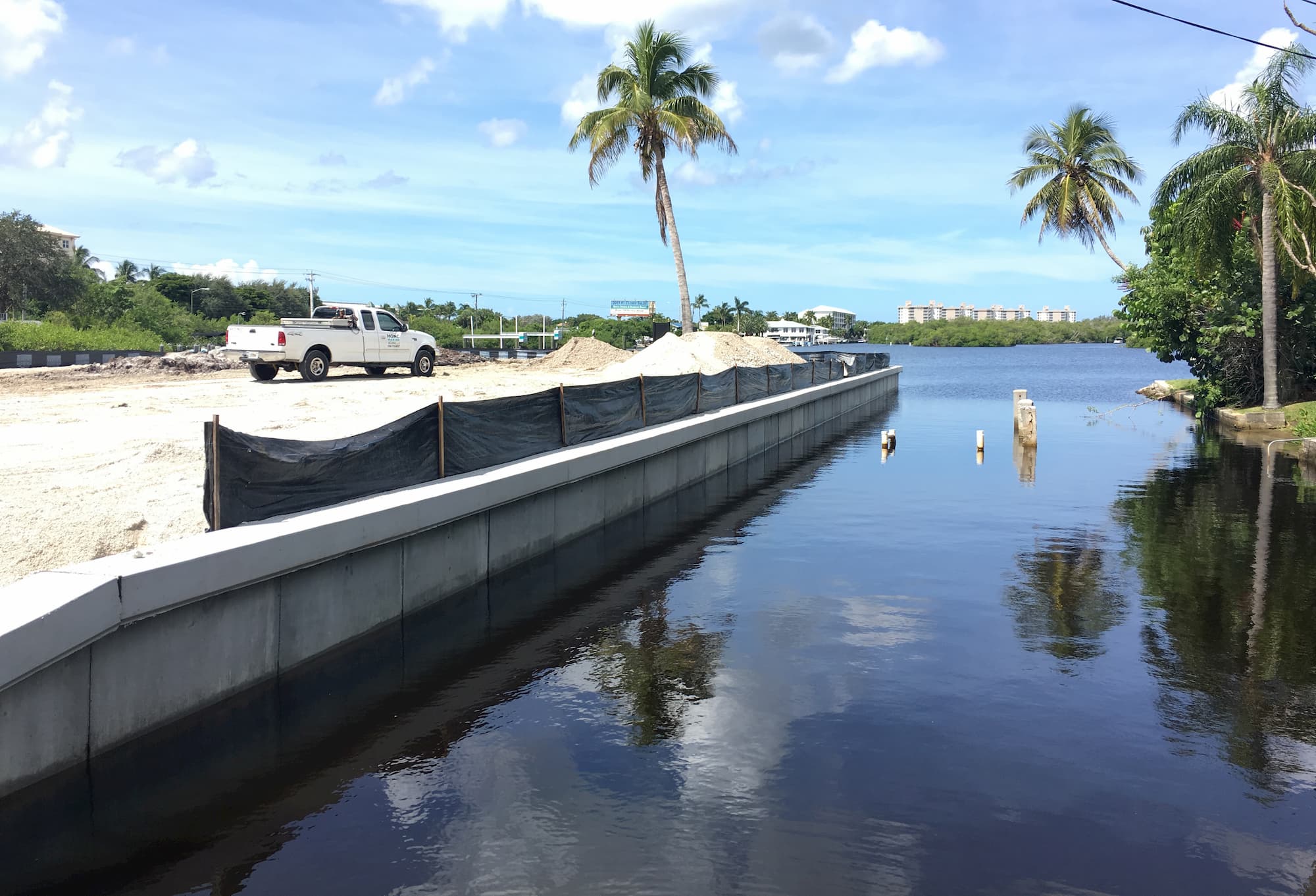
Understanding the Function of a Seawall
A seawall serves as a critical barrier between your waterfront property and the relentless forces of nature. Its primary function is to prevent soil erosion and protect your land from wave action, storm surges, and high tides. In Southwest Florida, where coastal properties are frequently exposed to these elements, a well-constructed seawall can mean the difference between maintaining your landscape and facing significant land loss. These structures are typically built using durable materials designed to withstand the corrosive effects of saltwater, ensuring longevity and effectiveness.
In addition to soil retention, seawalls play a vital role in managing water levels in canals and other bodies of water. They help stabilize the shoreline, preventing the encroachment of water during storm events. This stabilization is crucial for the integrity of your property and any structures, such as docks or boat lifts, that may be situated nearby. Regular inspections and maintenance of your seawall are necessary to identify any signs of wear or damage, particularly after severe weather events that could compromise its integrity.
Understanding the importance of a seawall is essential for any waterfront homeowner. It not only protects your investment but also contributes to the overall health of the local ecosystem by minimizing erosion and sediment displacement. If you notice any signs of deterioration, such as cracks or leaning sections, it's time to consult with a marine contractor. They can provide insights into necessary repairs or upgrades, ensuring your seawall continues to serve its purpose effectively.
Benefits of Seawalls for Waterfront Properties
Seawalls serve as a critical barrier for waterfront properties, providing essential protection against the relentless forces of water movement and storm surges. By retaining soil and preventing erosion, these structures help maintain the integrity of your property and its surroundings. In Southwest Florida, where high tides and storm exposure are common, having a seawall can be the difference between a well-preserved landscape and significant property damage. Homeowners are often surprised at how much a seawall can enhance the value and usability of their waterfront space.
In addition to protecting against erosion, seawalls can also improve the overall aesthetic of your waterfront property. With various materials available, including concrete, vinyl, and wood, you can choose a seawall that complements your home’s design while providing robust defense against the elements. Properly constructed and maintained seawalls can also assist in managing drainage issues, ensuring that water does not pool near your foundation or dock area, which can lead to further complications down the line.
Regular inspections and maintenance are crucial to ensure your seawall remains effective over time. Saltwater exposure and storm impacts can wear down even the most durable materials, leading to cracks or structural weaknesses. By having a marine contractor like Honc Docks & Lifts assess your seawall periodically, you can catch potential issues early and avoid costly repairs. This proactive approach not only safeguards your investment but also enhances the longevity of your seawall and the overall health of your waterfront property.
Comparing Seawalls, Bulkheads, and Other Shoreline Structures
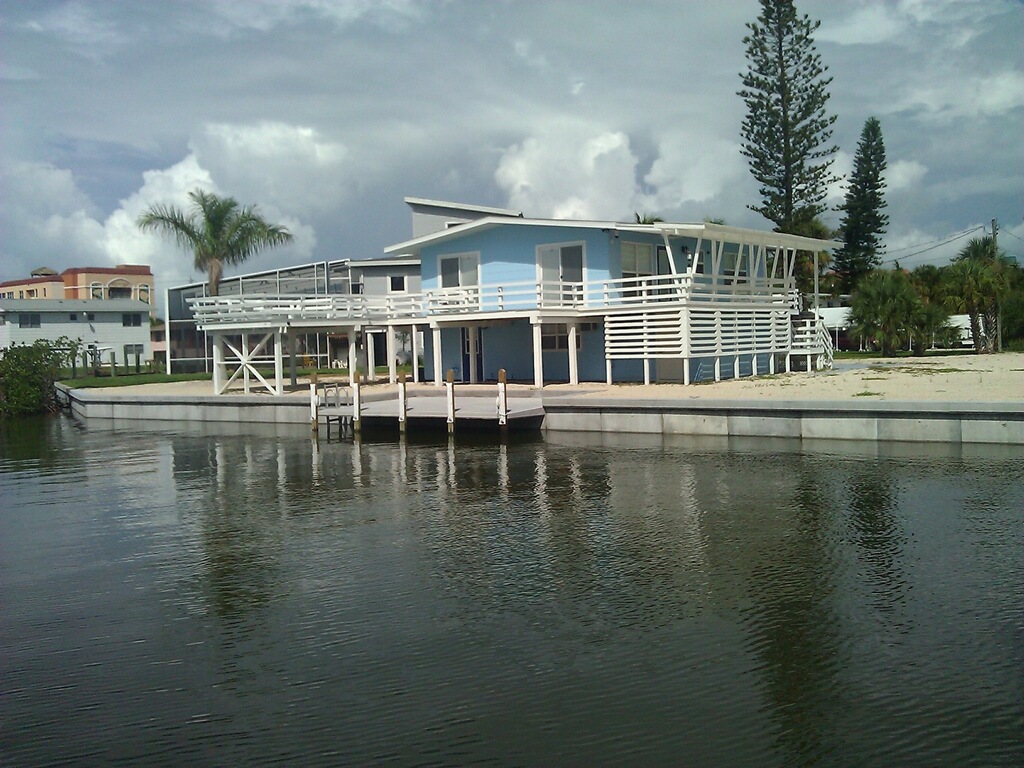
When considering shoreline protection, understanding the differences between seawalls, bulkheads, and other structures is crucial for Southwest Florida homeowners. A seawall is specifically designed to absorb and deflect wave energy, which helps to prevent erosion and protect your property from storm surges. Bulkheads, on the other hand, are typically used in shallower areas to retain soil and prevent land loss, often constructed with wood or steel. Each structure serves a distinct purpose, and the choice can depend on your specific waterfront conditions and local regulations.
In Southwest Florida, where saltwater exposure is a constant concern, selecting the right materials for these structures is essential. Marine-grade materials such as vinyl or concrete are commonly used for seawalls due to their durability against corrosion and wear. Understanding the local environment, including tidal patterns and storm impacts, can help you make informed decisions about which type of shoreline structure is best suited for your property. Proper installation and maintenance are key factors in ensuring the longevity and effectiveness of these structures.
Consulting with a marine contractor can provide valuable insights into the best options for your waterfront property. They can assess your specific needs, taking into account factors like soil type, water levels, and potential erosion risks. Additionally, they can guide you through the permitting process, which can be complicated in areas with strict environmental regulations. Whether you need a new seawall or repairs to an existing bulkhead, professional advice is essential to ensure your shoreline remains protected for years to come.
When to Talk With a Marine Contractor
Understanding when to consult a marine contractor about your seawall is crucial for maintaining your waterfront property. If you notice any cracks or leaning sections in your seawall, it’s time to call in a professional. Erosion and soil loss can significantly compromise the integrity of your property, especially in the dynamic Southwest Florida environment where tides and storms can rapidly change conditions. Regular inspections can help catch these issues early before they escalate into costly repairs.
Homeowners should also pay attention to cap damage or exposed tiebacks. These elements are essential for the stability of your seawall, and any signs of wear can indicate a need for immediate attention. After storms, it's wise to assess your seawall for any changes. Saltwater exposure can accelerate deterioration, and low-water conditions can expose weaknesses that might not be visible during high tides. A marine contractor can provide a thorough inspection and recommend necessary repairs or maintenance.
Finally, if you're considering new construction or modifications to existing structures, consulting with a marine contractor is essential. They can guide you through local permitting processes, which can be lengthy and complex, especially in areas with strict environmental regulations. Whether you're looking to repair, maintain, or build a new seawall, engaging with a qualified contractor ensures that your project meets local standards and effectively protects your waterfront property.
Seawall Maintenance and Repair Considerations
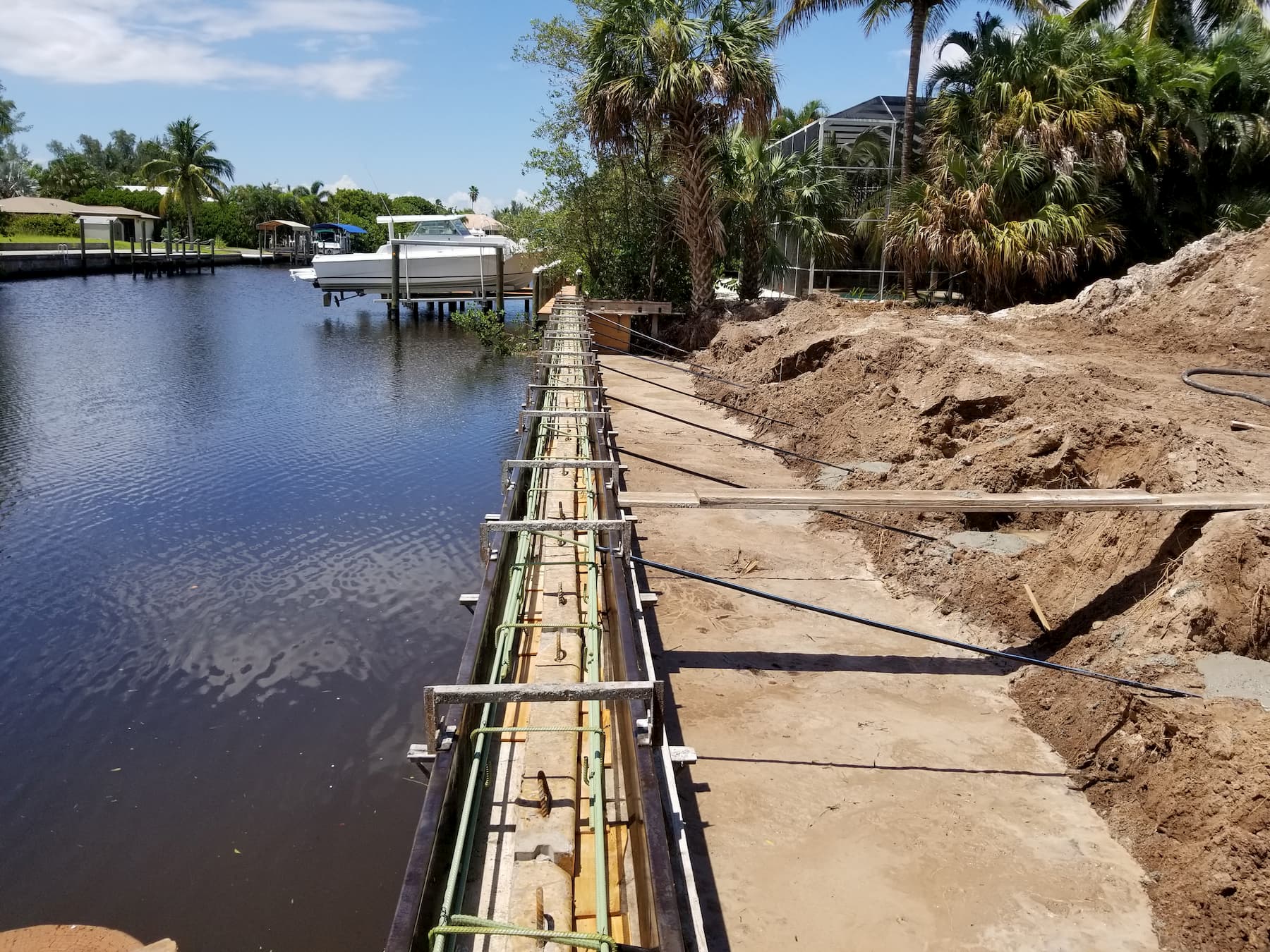
Maintaining a seawall is crucial for preserving the integrity of your waterfront property. Regular inspections can help identify issues such as cracks, erosion, or soil loss before they escalate into costly repairs. Given the unique challenges posed by Southwest Florida's environment—like saltwater corrosion and storm impacts—it's essential to schedule routine check-ups. A marine contractor can assess the condition of your seawall, ensuring that it effectively retains soil and protects against wave action.
When considering repairs, be mindful of the materials used in your seawall's construction. Marine-grade materials are designed to withstand the harsh conditions of coastal environments, but even the best materials can degrade over time. If you notice any signs of damage, such as leaning sections or cap deterioration, it’s time to consult a professional. They can recommend the best course of action, whether that means patching up existing structures or undertaking more extensive repairs.
Additionally, drainage is a critical aspect of seawall maintenance. Proper drainage systems help prevent water from pooling near the wall, which can lead to further erosion and structural issues. If your seawall lacks adequate drainage, a marine contractor can design and implement solutions tailored to your property’s specific needs. By staying proactive about maintenance and repairs, you can extend the lifespan of your seawall and ensure your waterfront property remains protected.
Environmental Impact of Seawalls on Coastal Ecosystems
Seawalls play a crucial role in protecting coastal ecosystems, but they also have significant environmental implications. These structures can disrupt natural sediment transport, which is vital for maintaining healthy beaches and estuaries. In Southwest Florida, where the coastline is heavily influenced by tides and storm surges, seawalls can alter water flow patterns, potentially leading to increased erosion in adjacent areas. Homeowners should be aware that while seawalls provide immediate protection, they can also contribute to long-term ecological changes.
Moreover, the materials used in seawall construction can impact marine life. Marine-grade materials are essential to withstand saltwater exposure, but if not properly selected, they may leach harmful substances into the water. This can affect local fish populations and other aquatic organisms. It's essential for homeowners to consult with marine contractors who understand the balance between effective shoreline protection and environmental stewardship, ensuring that seawalls are built with both durability and ecological health in mind.
Lastly, the maintenance of seawalls is critical in minimizing their environmental impact. Regular inspections can identify issues like cracks or erosion that could lead to larger problems if left unaddressed. Homeowners should engage with professionals for routine evaluations, as proactive measures can extend the lifespan of seawalls and reduce their footprint on coastal ecosystems. Understanding these dynamics is vital for anyone considering seawall installation or repair in the unique environment of Southwest Florida.
Cost Factors in Seawall Construction
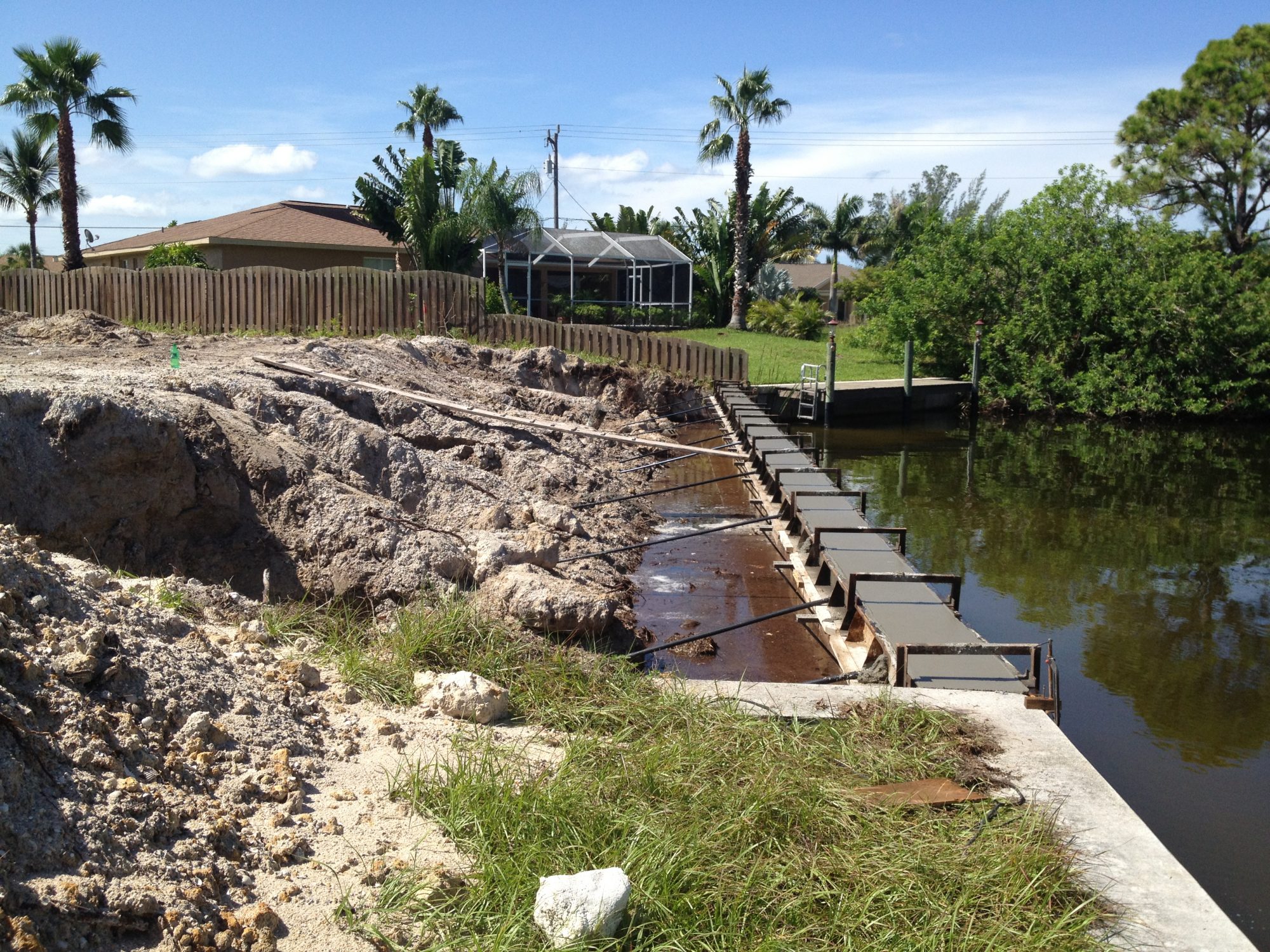
When considering the construction of a seawall, several cost factors come into play that homeowners in Southwest Florida should understand. The type of materials used is a primary determinant; marine-grade concrete, vinyl, and steel all have different price points and longevity. Additionally, the specific site conditions, such as soil type and water levels, can significantly affect the overall cost. For instance, if your property is located in a low-water area, the construction process may require additional site preparation, which can increase expenses.
Labor costs are another critical factor. Depending on the complexity of the project, the experience of the marine contractor, and local permitting requirements, labor can account for a significant portion of the total investment. It's essential to work with a contractor familiar with the local regulations and environmental considerations, as this can streamline the permitting process and avoid costly delays. Moreover, unexpected issues, such as discovering unstable soil or encountering old structures, can lead to additional expenses during construction.
Maintenance and potential repair costs should also be factored into your budget. Seawalls require regular inspections to ensure they remain effective against erosion and storm damage. Homeowners should plan for periodic maintenance, which may include cleaning drainage systems and repairing any wear and tear caused by saltwater exposure. By understanding these cost factors, you can better prepare for the financial commitment involved in seawall construction and ensure your waterfront property remains protected.
Alternatives to Seawalls for Coastal Protection
While seawalls are a popular choice for safeguarding waterfront properties, there are several alternatives worth considering. One option is living shorelines, which utilize natural materials like plants and rocks to stabilize the coast while supporting local ecosystems. This method not only helps with erosion control but also enhances the habitat for wildlife, making it a more environmentally friendly solution. Homeowners should evaluate their specific site conditions to determine if this approach is feasible, especially in areas with high tidal fluctuations.
Another alternative is bulkheads, which are vertical structures designed to retain soil and prevent erosion along shorelines. Unlike seawalls, bulkheads are often made from wood, steel, or vinyl and can be more cost-effective in certain situations. They are particularly effective in areas with minimal wave action, but homeowners should be aware that they may require regular maintenance to ensure their integrity over time, especially in saltwater environments.
Finally, breakwaters can be an effective solution for protecting shorelines from wave action. These structures are built offshore and act as barriers that dissipate wave energy before it reaches the shore. While they can be more expensive to construct, they provide long-term benefits by reducing erosion and protecting both the shoreline and any adjacent structures. Homeowners should consult with a marine contractor to explore these options and determine the best solution for their specific needs.
A seawall is a shoreline structure designed to help retain soil, manage erosion, and protect waterfront property from water movement and wave or storm exposure.
The terms can overlap, but usage may depend on the structure, location, material, and how the wall protects the shoreline.
Call when you see cracks, leaning sections, erosion, soil loss, cap damage, exposed tiebacks, or changes after storms.