How Long Seawalls Last in Southwest Florida
Seawalls in Southwest Florida are crucial for protecting coastal properties from erosion and storm surges. The lifespan of these structures can vary significantly based on several factors, including the materials used, environmental conditions, and maintenance practices. Typically, concrete seawalls can last anywhere from 30 to 50 years, while vinyl and aluminum options may have shorter lifespans, often requiring replacement every 20 to 30 years. Understanding how long seawalls last is essential for homeowners considering marine construction projects in the region.
In Southwest Florida, the unique coastal environment plays a significant role in the longevity of seawalls. Factors such as saltwater exposure, shifting sands, and the impact of hurricanes can accelerate wear and tear. Regular inspections and maintenance can help extend the life of a seawall, ensuring it remains effective in protecting your property. Homeowners should consider investing in high-quality materials and professional installation to maximize durability and performance.
Additionally, local regulations and permitting processes can influence the design and construction of seawalls. It’s essential to work with experienced marine contractors who understand the specific requirements for seawall construction in Southwest Florida. By doing so, homeowners can ensure their seawalls are built to withstand the region’s challenges, ultimately leading to a longer lifespan and better protection for their waterfront properties.
Factors That Shorten or Extend Seawall Life
The lifespan of a seawall is influenced by several key factors, including the materials used, environmental conditions, and maintenance practices. In Southwest Florida, seawalls constructed with marine-grade materials, such as vinyl or concrete, tend to perform better against the corrosive effects of saltwater. However, even the best materials can succumb to wear if not properly maintained. Regular inspections can help identify early signs of deterioration, allowing for timely repairs that can significantly extend the life of your seawall.
Environmental conditions play a crucial role in determining how long your seawall will last. High tides, storm surges, and heavy rainfall can lead to increased erosion and pressure on the structure. Canals, which often experience fluctuating water levels, can exacerbate these effects. Homeowners should be aware of their seawall’s exposure to these elements and take proactive measures, such as ensuring proper drainage and addressing any signs of erosion promptly.
Maintenance is another critical factor in seawall longevity. Regular upkeep, including cleaning and repairing any cracks or damage, can prevent small issues from escalating into costly repairs. Additionally, monitoring the condition of the seawall cap is essential, as deterioration in this area can lead to more significant structural problems. By staying vigilant and scheduling routine inspections, waterfront homeowners can help ensure their seawalls remain effective and durable for years to come.
Warning Signs an Older Seawall Needs Attention
As a seawall ages, it may begin to show signs of wear that indicate it needs maintenance or repair. One of the most common warning signs is visible cracking or crumbling along the structure. If you notice any gaps or fissures, it could mean that the seawall is losing its structural integrity. Additionally, if you see any leaning or tilting, this could be a sign that the foundation is compromised, which can significantly shorten the lifespan of your seawall. Regular inspections can help identify these issues early on.
Another indicator that your seawall may need attention is the presence of erosion around its base. If you observe soil washing away or a noticeable drop in the land behind the seawall, it’s crucial to address these issues promptly. Erosion can lead to further destabilization and ultimately impact how long your seawall lasts. In Southwest Florida, where storms and high tides are common, proactive measures can prevent costly repairs down the line.
Lastly, if you notice any unusual vegetation growth, such as weeds or algae, this could signal problems with drainage or water pooling. These conditions can lead to increased pressure on the seawall, further diminishing its effectiveness. Keeping an eye out for these signs can help ensure your seawall remains in good condition and serves its purpose for years to come.
Request a Seawall Inspection
If you’re a waterfront homeowner in Southwest Florida, it’s crucial to stay proactive about the condition of your seawall. Given the unique challenges posed by saltwater exposure and storm damage, scheduling a professional inspection can provide peace of mind. Experts can assess the seawall’s integrity and identify any early warning signs that may indicate the need for repairs or maintenance.
During an inspection, professionals will evaluate critical factors such as drainage systems, erosion patterns, and the condition of the seawall cap. These elements play a significant role in determining how long your seawall will last. Regular inspections can help catch issues before they escalate, potentially saving you from costly repairs or even a full replacement down the line.
Don’t wait for visible damage to prompt an inspection. If you notice any changes in your seawall, such as cracks or leaning sections, it’s time to call in the experts. At Honc Docks & Lifts, we specialize in seawall inspections tailored to the specific conditions of Southwest Florida. Reach out today to schedule your seawall inspection and ensure the longevity of your marine structure.
Seawall Maintenance Essentials
To ensure the longevity of your seawall, regular maintenance is crucial. In Southwest Florida, where the coastal environment can be harsh, periodic inspections can help identify early signs of wear and tear. Look for cracks, erosion, or any signs of movement in the structure. Addressing these issues promptly can significantly extend the lifespan of your seawall, ultimately answering the question of how long do seawalls last with a more favorable outlook.
Additionally, routine cleaning is essential to prevent algae and marine growth from accumulating. These organisms can weaken the seawall’s integrity over time. Utilizing pressure washing and safe marine cleaning solutions can help maintain a clean surface. Furthermore, ensuring proper drainage around the seawall can prevent water from pooling, which can lead to structural damage. By implementing these maintenance practices, property owners can enhance the durability of their seawalls and protect their investments against the unpredictable coastal conditions of Southwest Florida.
How Long Seawalls Last in Southwest Florida
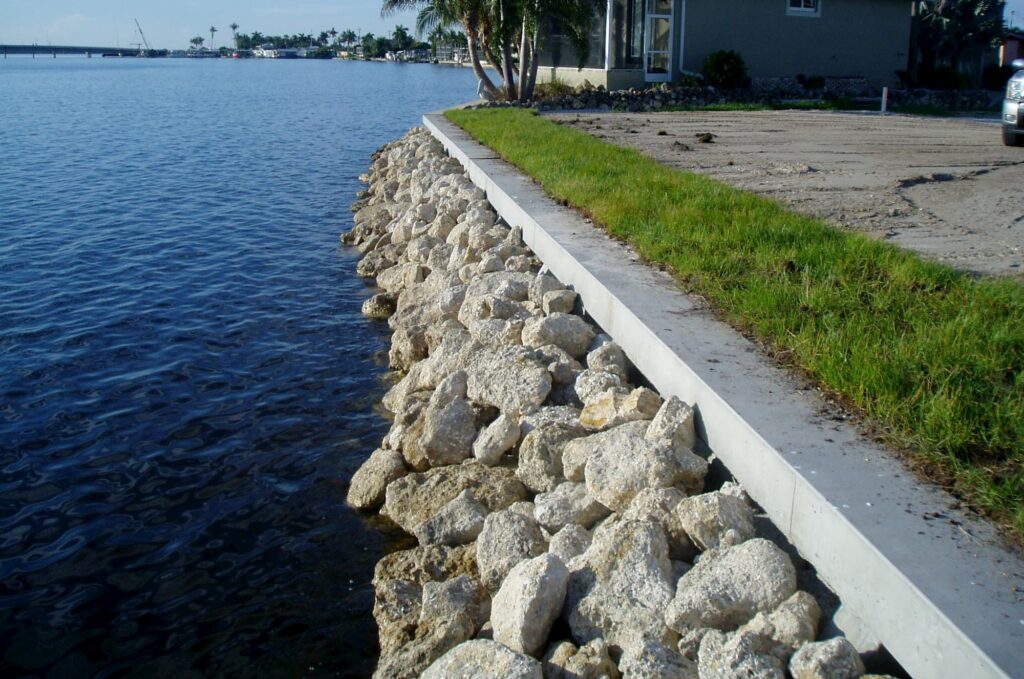
Seawalls in Southwest Florida are designed to withstand the unique challenges posed by our coastal environment, but their longevity can vary widely based on several factors. Generally, seawalls constructed with marine-grade materials can last anywhere from 30 to 50 years, but this is not a guarantee. The specific lifespan will depend on how well they are maintained and the conditions they face over time, including saltwater exposure, storm impacts, and erosion.
In our region, seawalls are often subjected to harsh weather, especially during hurricane season. The intensity of storms can lead to significant wear and tear, particularly if the seawall is not properly designed or installed. Homeowners should be aware that even minor damage can escalate if not addressed promptly, leading to costly repairs or even the need for a complete replacement.
Regular inspections are crucial to assess the condition of your seawall. Factors such as drainage issues, soil erosion, and the integrity of the cap can all influence the lifespan of your structure. By staying proactive with maintenance and repairs, you can extend the life of your seawall and protect your waterfront property from potential damage.
Seawall Maintenance Tips for Decks and Docks
Maintaining seawalls is crucial for ensuring the longevity of your marine structures, especially in the unique coastal environment of Southwest Florida. Regular inspections are essential to identify any signs of wear or damage. Look for cracks, erosion, or any shifts in the wall’s structure, as these can affect not only the seawall’s lifespan but also the stability of adjacent decks and docks. Addressing these issues promptly can prevent costly repairs and extend the overall durability of your marine construction.
In addition to inspections, routine cleaning is vital. Algae and barnacles can accumulate on seawalls, leading to deterioration over time. Using a pressure washer can help remove these growths, but be cautious not to damage the wall’s surface. Furthermore, consider applying protective coatings that can enhance the seawall’s resistance to water and environmental factors. Understanding how long seawalls last can help you plan for these maintenance tasks and ensure your marine structures remain safe and functional for years to come.
Finally, consult with local marine construction professionals for tailored advice. They can provide insights specific to the materials used in your seawall and the local conditions that may impact its longevity. By staying proactive with maintenance and seeking expert guidance, you can significantly enhance the lifespan of your seawall, ensuring it continues to protect your property and support your decks and docks effectively.
Common Causes of Seawall Damage
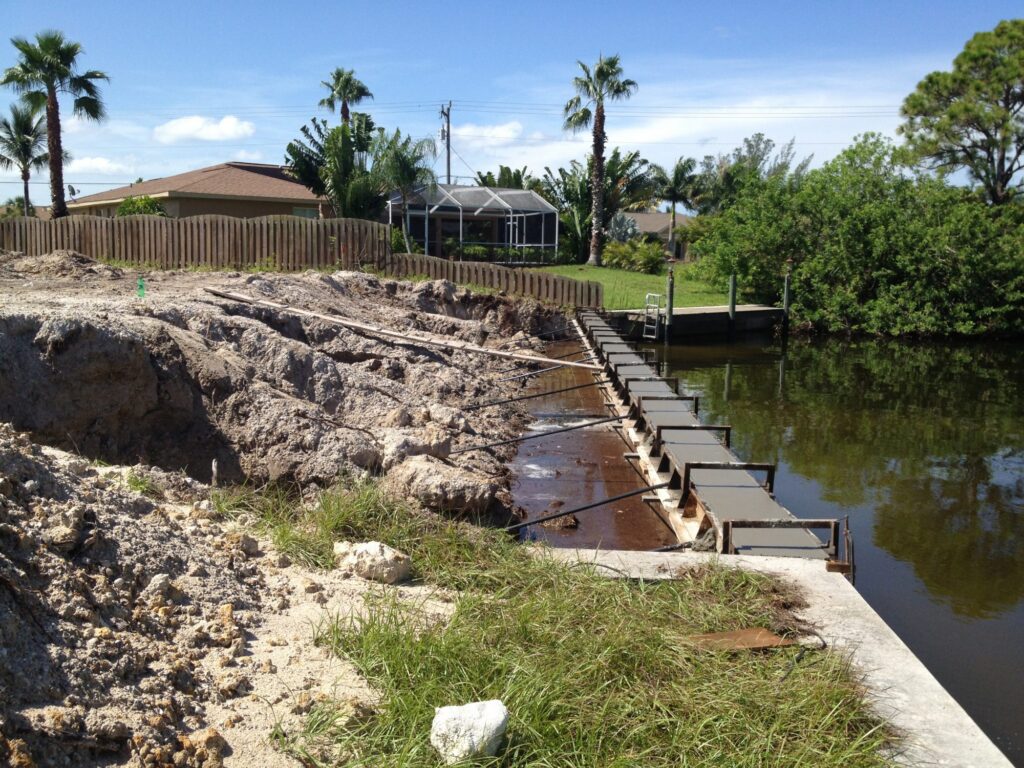
Seawalls in Southwest Florida face several challenges that can lead to their deterioration. One of the primary culprits is saltwater exposure, which can corrode materials over time. If your seawall is made from less durable materials, like untreated wood, the effects can be even more pronounced. Regular inspections can help identify early signs of wear, allowing for timely repairs and extending the overall lifespan of the structure.
Another significant factor is poor drainage. When water accumulates behind the seawall, it increases pressure and can lead to soil erosion. This erosion not only undermines the seawall’s foundation but can also cause it to lean or crack. Ensuring proper drainage systems are in place is essential for maintaining the integrity of your seawall and preventing costly repairs down the line.
Storm damage is another frequent issue, especially during hurricane season. High winds and storm surges can batter seawalls, leading to cracks and structural weaknesses. After severe weather events, it’s crucial to assess your seawall for any damage. Addressing these issues promptly can help mitigate further deterioration and keep your seawall functional for years to come.
How Long Seawalls Last in Southwest Florida
The lifespan of seawalls in Southwest Florida can vary significantly based on several factors, including the materials used and the environmental conditions they face. Generally, concrete and vinyl seawalls tend to last longer than wood, which is more susceptible to rot and marine pests. However, even the best materials can be compromised by the harsh saltwater environment, especially in areas with high wave action or poor drainage. Regular inspections and maintenance are essential to ensure longevity.
In our region, seawalls must withstand not only the daily wear from saltwater but also the impacts of storms and erosion. The unique conditions of local canals, including fluctuating water levels, can exacerbate deterioration. Homeowners should be aware that seawalls are not a one-time installation; they require ongoing attention to prevent issues that can shorten their lifespan, such as cracks or leaning sections that may develop over time.
It’s crucial to understand that while some seawalls may last for decades, others might require repairs or replacement sooner due to the specific conditions they endure. Factors like soil erosion, drainage issues, and storm damage can all contribute to a seawall’s decline. Therefore, having a professional assessment can help determine the current state of your seawall and what steps you might need to take to extend its life.
How Long Seawalls Last in Southwest Florida
Seawalls in Southwest Florida are designed to withstand the unique challenges posed by our coastal environment, but their lifespan can vary significantly. Typically, seawalls constructed from concrete, vinyl, or steel can last anywhere from 20 to 50 years, depending on several factors. The quality of the materials used, the installation process, and exposure to saltwater play critical roles in determining longevity. Regular maintenance and timely repairs can extend the life of your seawall, ensuring it continues to protect your property from erosion and storm surges.
Saltwater exposure is a primary concern for seawall durability. In our region, the constant interaction with seawater can lead to corrosion and degradation of materials over time. Additionally, the specific design and construction techniques used can significantly impact how well a seawall performs. For instance, a well-constructed seawall with proper drainage and reinforcement will typically last longer than one that is poorly designed or hastily installed.
It’s important to note that while seawalls are built to last, they are not invincible. Factors such as severe weather events, erosion from strong currents, and inadequate drainage can all contribute to a shorter lifespan. Therefore, homeowners should be proactive in monitoring their seawalls and scheduling inspections to assess their condition. Understanding how long seawalls last in our area can help you make informed decisions about maintenance and potential replacements.
A seawall’s lifespan depends on material, design, installation quality, exposure, drainage, maintenance, and storm history. A site inspection is the best way to evaluate condition.
Saltwater exposure, poor drainage, erosion, storm damage, corrosion, cap deterioration, soil loss, and delayed repairs can all shorten service life.
Schedule an inspection if you see cracks, leaning sections, soil loss, sinkholes, cap damage, exposed tiebacks, or changes after a storm.