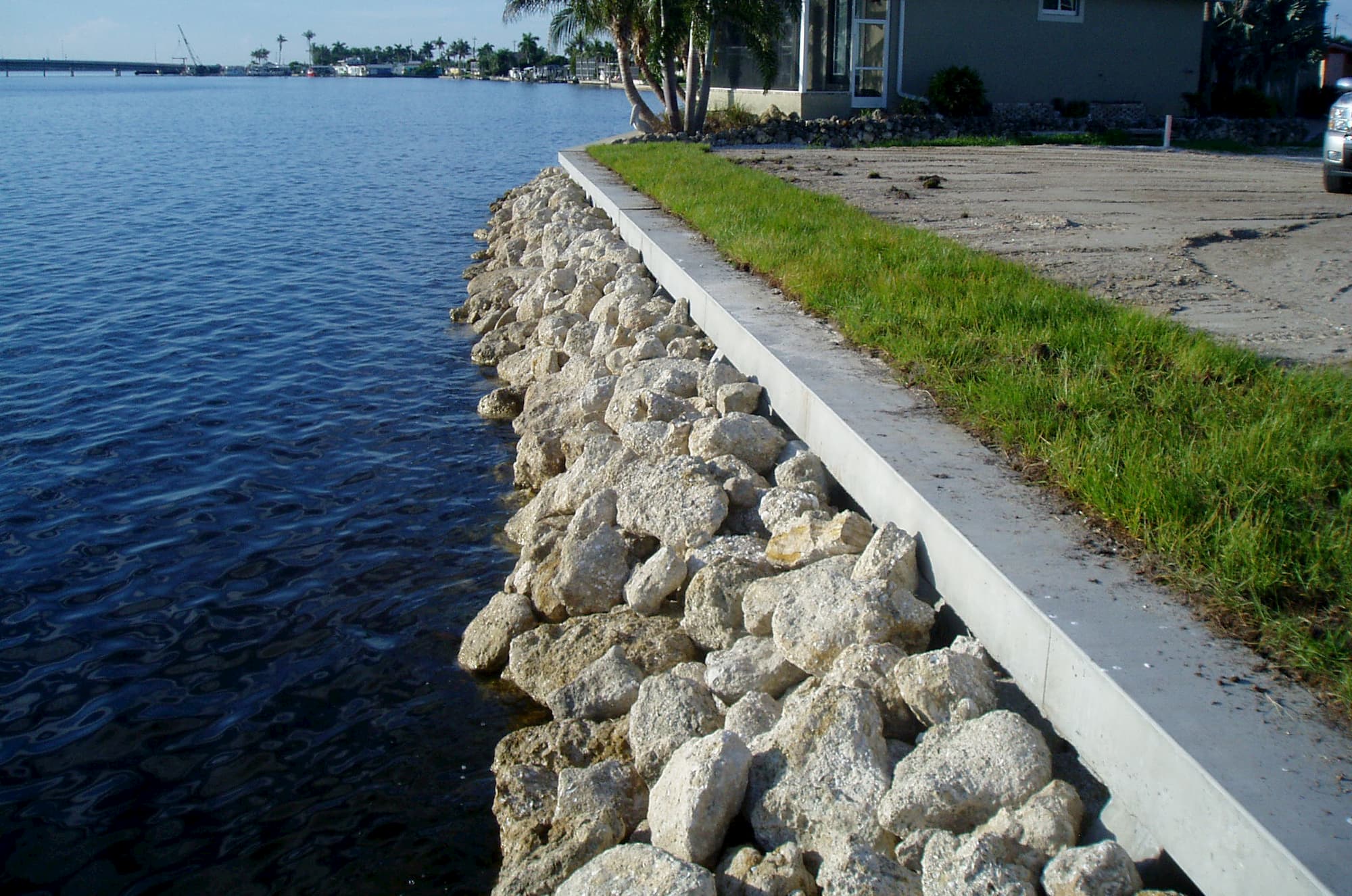
What Affects Seawall Cost in Southwest Florida
When considering the seawall cost for your waterfront property, several key factors come into play. The length of the seawall is a primary determinant, as longer walls require more materials and labor. Additionally, the choice of materials—whether you opt for concrete, vinyl, or steel—can significantly influence the overall cost. Each material has its own longevity and maintenance requirements, which should be factored into your decision-making process.
Environmental conditions in Southwest Florida also play a crucial role in determining costs. High salinity levels and storm impacts can accelerate wear and tear, necessitating more robust construction methods. Soil conditions are another critical factor; sandy or unstable soils may require additional engineering to ensure the seawall remains effective. Furthermore, access to the site can complicate installation, especially in areas with limited canal access or low water levels, which can lead to increased labor costs.
Lastly, permitting and local regulations must be considered. Obtaining the necessary permits can introduce delays and additional expenses, particularly in areas prone to environmental scrutiny. A thorough on-site estimate is essential to evaluate these variables accurately. Without assessing the specific conditions of your property, any estimate would be speculative at best, underscoring the importance of a professional consultation.
Repair, Replacement, and New Construction Cost Factors
When considering the cost of seawall work, it’s essential to evaluate whether repair, replacement, or new construction is the most suitable approach. Repairs can be a cost-effective solution for minor issues, but if the wall shows significant signs of deterioration, replacement might be the better long-term investment. Each option has its own set of implications, especially when factoring in the condition of the existing structure and the materials required for the job.
The length of the seawall plays a critical role in determining overall costs. Longer walls will naturally require more materials and labor, which can increase expenses. Additionally, the choice of materials—whether you opt for vinyl, concrete, or wood—can significantly affect the final price. Marine-grade materials are often recommended for their durability against saltwater, but they may come at a higher initial cost. Understanding these factors can help you make informed decisions about your seawall project.
Site conditions also heavily influence the cost of seawall projects. Factors such as soil stability, water depth, and access to the site can complicate the construction process. For instance, if the wall is located in a hard-to-reach area, additional equipment may be necessary, which can drive up labor costs. Erosion patterns and the presence of storm damage should also be assessed, as they can dictate whether a repair is feasible or if complete replacement is warranted. An on-site estimate is crucial to accurately assess these variables and provide a tailored cost analysis.
Site Conditions That Change the Estimate
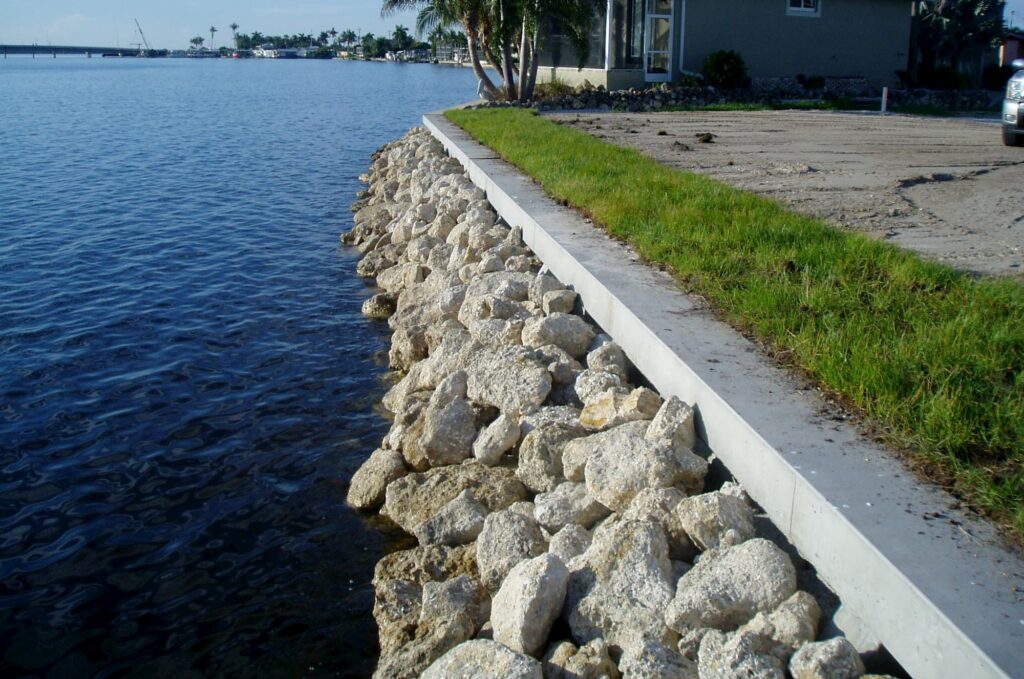
When considering seawall cost, site conditions play a pivotal role in shaping the final estimate. Factors such as soil type can greatly influence the construction process. For instance, sandy soils may require different anchoring techniques compared to clay or rocky substrates, which can add to labor and material costs. Understanding the soil composition at your waterfront property helps in determining the appropriate marine-grade materials needed for durability and stability.
Water depth is another critical consideration. Shallower waters may allow for easier access and construction, while deeper areas could necessitate specialized equipment and techniques, increasing the overall expense. Additionally, if your property has limited access for machinery, it may require more manual labor or additional equipment, further impacting the cost.
Erosion and existing wall conditions also contribute to the estimate. If the seawall shows signs of significant wear or damage, it may require more extensive repairs or even a complete replacement, depending on its structural integrity. Other factors like drainage issues, permit requirements, and potential storm damage must be evaluated on-site to provide an accurate estimate. Each of these elements underscores the importance of a thorough site assessment to ensure you receive a precise seawall cost estimate tailored to your unique situation.
Request a Seawall Cost Estimate
When it comes to understanding the seawall cost for your waterfront property, the best approach is to request a personalized estimate from our team at Honc Docks & Lifts. Each seawall project is unique, influenced by various factors such as wall length, material choice, and site conditions. By reaching out for an estimate, you ensure that all specific details regarding your property are taken into account, leading to a more accurate assessment.
Our experienced professionals will evaluate your site, considering elements like soil conditions, water depth, and any existing erosion issues. We’ll also look at access points for construction equipment and any necessary permits that may be required. This thorough evaluation is crucial in determining the overall cost and feasibility of your seawall project.
Don’t hesitate to contact us for a free seawall cost estimate. We understand the complexities involved in marine construction and are here to guide you through the process, ensuring your seawall is built to withstand the unique challenges of the Southwest Florida waterfront environment.
Understanding Seawall Materials and Lifespan
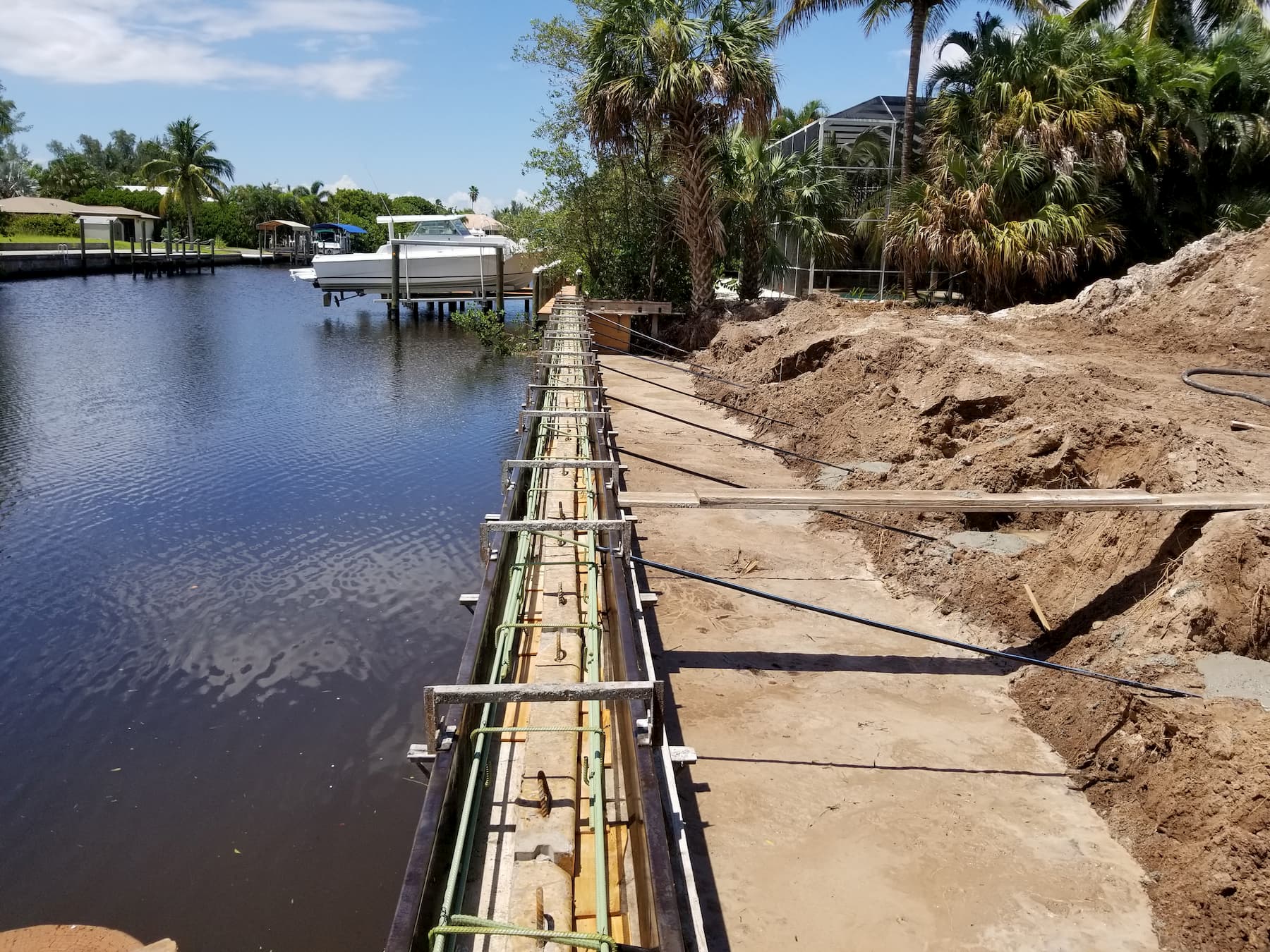
When considering a seawall for your waterfront property, the choice of materials plays a significant role in both cost and longevity. Common materials include concrete, vinyl, and wood, each with its own set of advantages and drawbacks. Concrete, for instance, is durable and resistant to saltwater corrosion, making it a popular choice in Southwest Florida. Vinyl offers a lightweight alternative that can be easier to install, while wood may appeal to those seeking a more natural look, though it often requires more maintenance over time.
The lifespan of these materials can vary significantly based on environmental conditions and proper installation. Concrete seawalls can last 30 years or more with minimal upkeep, whereas vinyl may last 20 years under ideal circumstances. Wood, depending on the type and treatment, may only last 10 to 15 years before needing replacement. Understanding these factors is crucial when budgeting for your seawall project, as the initial cost may reflect long-term investment in durability and maintenance needs.
Additionally, local conditions such as erosion rates, water depth, and soil types can impact the overall cost and choice of material. For example, properties in areas prone to heavy erosion may require more robust solutions, which can increase the initial investment. It’s essential to consult with a marine construction expert to evaluate your specific site conditions and get a tailored seawall cost estimate that considers all these variables.
Seawall Maintenance Essentials
Regular maintenance of your seawall is crucial for preserving its integrity and minimizing long-term costs. In Southwest Florida, where saltwater and storms can take a toll, proactive care can prevent minor issues from escalating into major repairs. Inspecting the seawall for cracks, erosion, or wear can help identify problems early, allowing for timely interventions that save you money down the line.
The condition of your seawall directly impacts its lifespan and overall functionality. A well-maintained seawall can withstand the harsh marine environment, while neglect can lead to significant structural damage that requires costly repairs or even complete replacement. Factors such as drainage issues, soil conditions, and the overall cap condition should be monitored regularly to ensure your seawall remains in good shape.
Additionally, understanding the local regulations and permitting processes is essential for seawall maintenance. In some cases, repairs may require permits, and failing to adhere to these regulations can lead to fines or additional costs. By staying informed and engaged with your seawall’s upkeep, you can ensure it serves its purpose effectively for years to come.
When to Consider Seawall Replacement
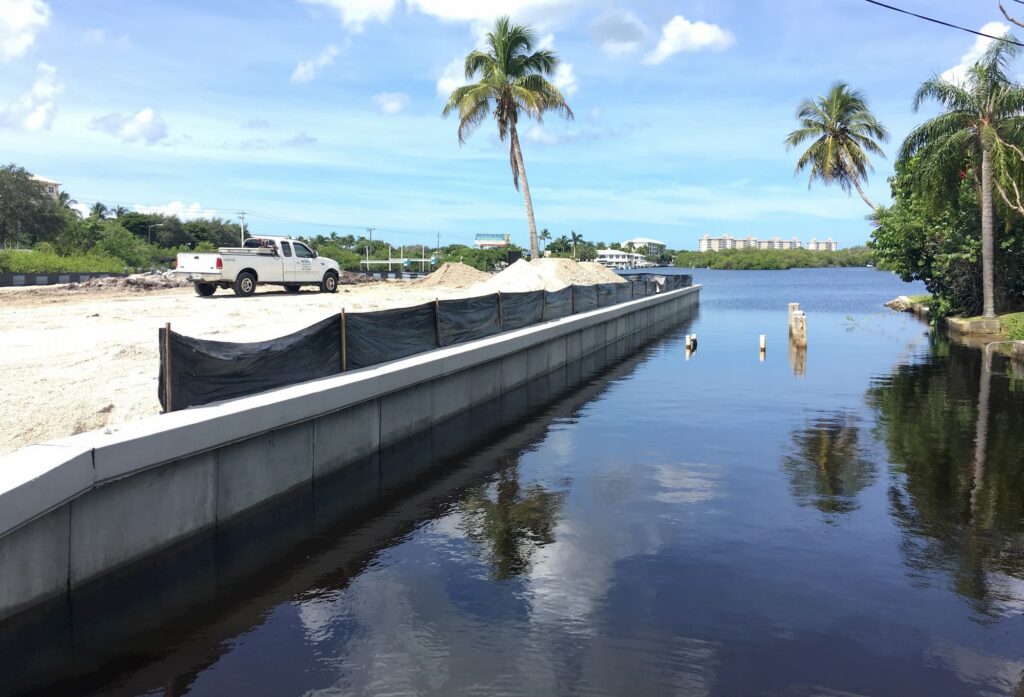
Recognizing the signs that indicate a seawall replacement may be necessary is crucial for waterfront property owners. If you notice significant cracks, leaning walls, or gaps between the seawall and the ground, these could be early indicators of structural failure. Erosion can exacerbate these issues, leading to further damage and potentially costly repairs. It’s essential to monitor your seawall regularly, especially after severe weather events that may have impacted its integrity.
Another critical factor to consider is the condition of the cap on your seawall. If the cap is crumbling or missing, it can compromise the entire structure’s stability. Additionally, drainage issues can lead to water pooling behind the seawall, increasing pressure and causing further deterioration. If you observe water pooling or excessive vegetation growth behind the wall, it’s time to consult a marine contractor to assess the situation.
Ultimately, if your seawall is showing signs of significant wear and tear, or if it has sustained storm damage, a replacement may be the best option. Repairing a severely damaged seawall can often be a temporary fix, while a new seawall can provide long-term protection for your property. Engaging a professional for an on-site evaluation will give you a clearer picture of whether repair or replacement is the appropriate course of action.
Shoreline Stabilization Techniques
When considering seawall construction, understanding the various shoreline stabilization techniques is crucial. These methods not only protect your property from erosion but also influence the overall cost of the project. In Southwest Florida, where the coastline is constantly shaped by weather patterns and water levels, choosing the right technique can make a significant difference in both durability and expense. Options range from traditional concrete walls to more innovative solutions like vinyl or composite materials, each with its own set of benefits and challenges.
The cost associated with seawall construction is affected by several factors, including the length of the wall, the materials used, and the specific site conditions. For instance, if your property is located in a high-erosion area, the design may need to be more robust, which can increase costs. Additionally, the accessibility of the site plays a role; if heavy machinery cannot reach the area easily, labor costs may rise. Understanding these variables helps homeowners and property managers better prepare for the financial aspects of their seawall project.
Moreover, local regulations and permitting processes can add to the timeline and cost. In Southwest Florida, securing the necessary permits can be a lengthy process, especially if environmental assessments are required. It’s essential to factor in these potential delays when budgeting for your seawall project. By consulting with a marine construction contractor who understands the local landscape, you can gain insights into the most effective stabilization techniques that align with your budget and property needs.
Frequently Asked Questions About Seawalls
When considering seawall construction, many homeowners wonder about the seawall cost and what factors influence it. The length of the wall is a significant factor; longer walls require more materials and labor. Additionally, the choice of materials—whether marine-grade vinyl, concrete, or steel—can greatly affect the overall price. Local conditions, such as soil type and water depth, also play a crucial role in determining the cost, as they influence the type of foundation needed for stability.
Another common question is whether repairs are always cheaper than replacement. While repairs can be less expensive initially, they may not always be the best long-term solution. If the seawall has extensive damage or is unstable, replacement might be more cost-effective over time. Property owners should also consider the condition of the cap, drainage systems, and any necessary permits, as these can add to the overall expense.
Many waterfront homeowners ask if Honc can provide a seawall cost estimate without visiting the property. While a rough conversation can help frame the project, a reliable estimate requires an on-site evaluation. This allows us to assess the wall’s condition, access points, and the specific challenges posed by the waterfront setting. For the most accurate estimate, we recommend scheduling a consultation to discuss your seawall needs in detail.
A rough conversation may help frame the project, but a reliable estimate usually requires reviewing the site, wall condition, access, materials, and waterfront setting.
Cost can be affected by wall length, material, damage level, soil conditions, water depth, access, drainage, cap condition, permitting, and whether repair or replacement is needed.
Not always. Repair may make sense for some conditions, but replacement can be the better long-term option when the structure is too damaged or unstable.