Seawall Materials for Southwest Florida Waterfronts
When considering seawall construction materials for your waterfront property in Southwest Florida, it's essential to evaluate options that withstand our unique environmental challenges. The most common materials include vinyl, concrete, steel, and wood, each with its own pros and cons. Vinyl is popular for its resistance to corrosion from saltwater, while concrete offers durability and strength. Steel can be effective but requires careful maintenance due to rust concerns, especially in high-salinity areas. Wood, while aesthetically pleasing, may not hold up well against the elements without regular upkeep.
The choice of material also hinges on site-specific factors such as soil conditions, drainage needs, and access for construction equipment. For instance, properties near canals may face additional challenges with low-water conditions that affect installation. Understanding local permitting requirements is crucial, as delays can impact your project timeline. Each material has a different lifespan and maintenance schedule, so it's vital to factor in long-term costs alongside initial installation expenses.
In addition to the material itself, consider the importance of caps and tiebacks in your seawall design. Caps provide a finished look and protect the top of the wall, while tiebacks help secure the structure against lateral forces from water and soil. These elements are particularly important in areas prone to storms, where the seawall must withstand significant pressure. Consulting with a local marine contractor can help you navigate these choices and ensure your seawall is built to last.
Vinyl, Concrete, and Other Seawall Options
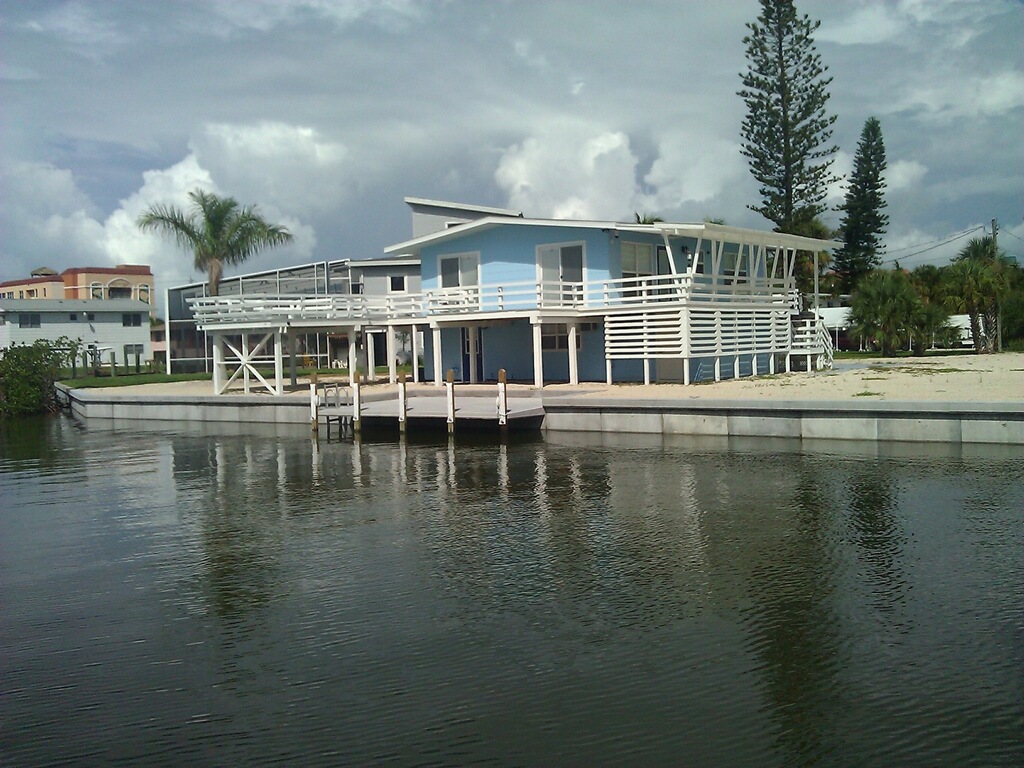
When considering seawall construction materials, both vinyl and concrete are popular choices among waterfront property owners in Southwest Florida. Vinyl seawalls offer a lightweight, corrosion-resistant option that can withstand the harsh saltwater environment. They are often easier to install and require less maintenance over time compared to traditional concrete. However, vinyl may not be as durable in high-stress areas or during severe storms, which is a critical consideration for properties located along busy canals.
On the other hand, concrete seawalls provide a robust solution that can handle significant wave action and soil pressure. They are typically more expensive and labor-intensive to install, but their longevity and strength make them a preferred choice for many property managers. Concrete can also be customized with various finishes and colors, allowing for aesthetic flexibility. However, it is essential to consider potential issues with cracking and the need for periodic maintenance to prevent deterioration from saltwater exposure.
Other materials, such as steel and wood, can also be considered depending on site conditions and specific project requirements. Steel seawalls are incredibly strong but may require additional corrosion protection, while wood offers a natural look but can be susceptible to rot and insect damage. Ultimately, the choice of material should align with the unique environmental factors of your property, including drainage, soil conditions, and the potential for storm impacts.
How Site Conditions Affect Material Choice
When considering seawall construction materials, it's crucial to assess the specific site conditions of your waterfront property. Soil type plays a significant role in determining which materials will provide the best support and durability. For instance, sandy soils may require a different approach than clay or rocky substrates, affecting the installation method and the choice of materials. Understanding the soil's load-bearing capacity can help ensure the seawall remains stable over time.
Water exposure is another critical factor. In Southwest Florida, where saltwater intrusion is common, materials must be resistant to corrosion and degradation. Vinyl and marine-grade concrete are often preferred due to their durability against harsh marine environments. Additionally, the proximity to canals and the potential for storm surges necessitate materials that can withstand high water levels and debris impact, ensuring long-term performance and safety.
Lastly, assessing storm risks is vital when selecting seawall materials. Properties in areas prone to hurricanes or heavy storms may benefit from reinforced options like steel tiebacks or thicker concrete panels. These materials can provide added resilience against extreme weather conditions. By evaluating these site-specific factors, homeowners can make informed decisions that align with their property's unique challenges and ultimately enhance the longevity of their seawall.
Request a Seawall Materials and Construction Estimate
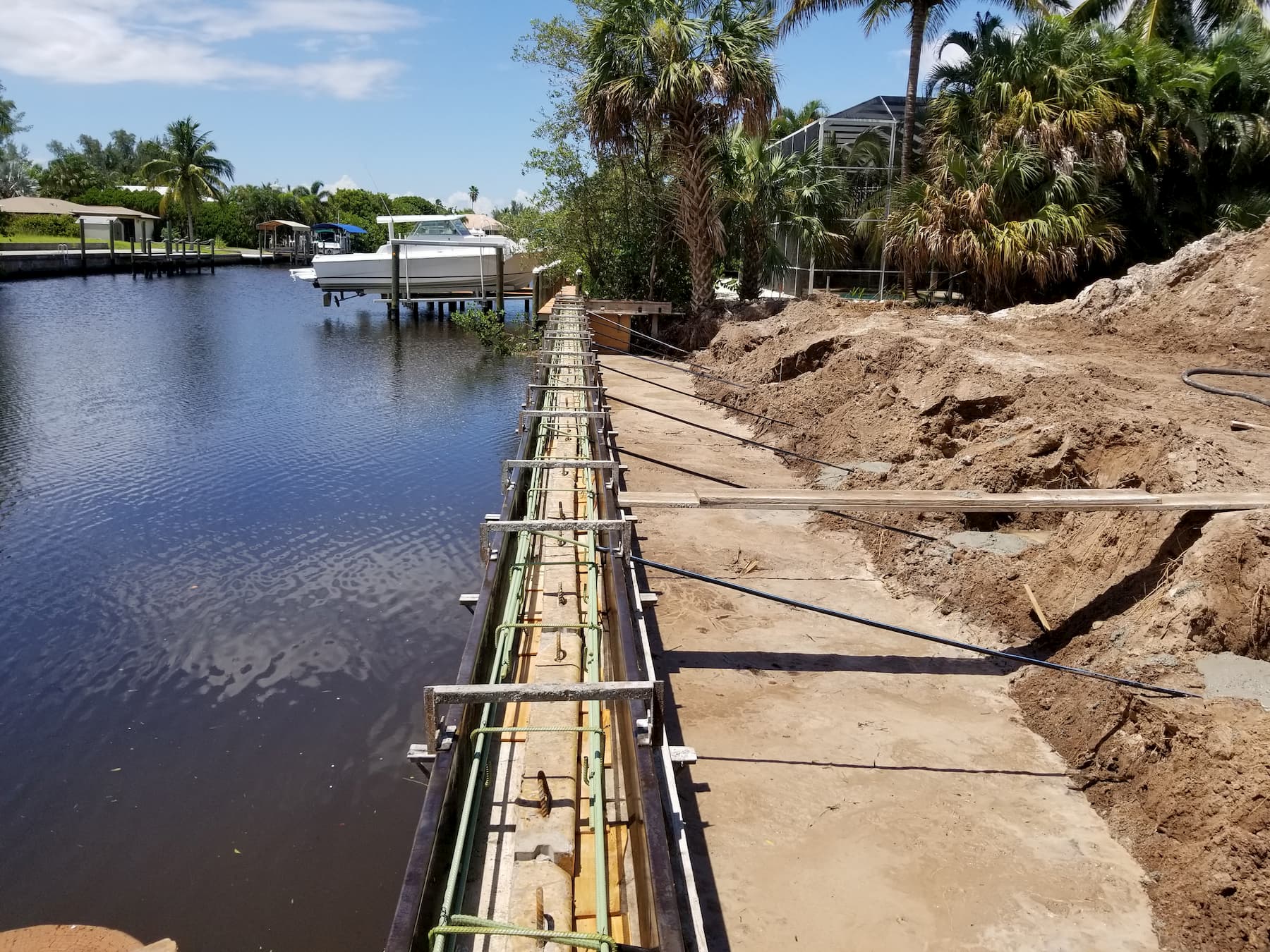
When considering a seawall for your waterfront property, it's essential to get a professional estimate tailored to your specific needs. The right materials can vary significantly based on factors like soil conditions, water exposure, and local permitting requirements. By reaching out to a contractor like Honc Docks & Lifts, you can gain insights into the best options for your site, whether that involves vinyl, concrete, or steel seawalls.
Understanding the nuances of seawall construction materials is crucial. For instance, saltwater exposure can lead to corrosion in certain materials, while others may require more frequent maintenance. A professional assessment will help you navigate these considerations, ensuring that the seawall not only meets local codes but also stands up to the unique environmental challenges of Southwest Florida.
Don't hesitate to request a free estimate from Honc Docks & Lifts. Our team is equipped to evaluate your property, discuss your goals, and recommend the most suitable materials and construction methods. Investing in a seawall is a significant decision, and having expert guidance can make all the difference in achieving a durable and effective solution for your waterfront needs.
Understanding Shoreline Stabilization Techniques
Shoreline stabilization is a critical aspect of seawall construction, especially in the dynamic environments of Southwest Florida. The primary goal is to prevent erosion and protect properties from storm surges and rising water levels. Various materials and techniques are employed, including vinyl, concrete, and steel, each offering unique benefits depending on site conditions. Understanding these options helps homeowners make informed decisions that align with their specific needs and local regulations.
When considering seawall construction materials, it's essential to evaluate factors such as soil composition, water exposure, and potential corrosion from saltwater. For instance, vinyl seawalls are popular due to their resistance to marine organisms and corrosion, making them suitable for many waterfront properties. However, the choice of material should also consider the specific environmental conditions, including drainage and access to the site, which can significantly impact installation and longevity.
Incorporating features like tiebacks and caps can enhance the durability of seawalls, providing additional support against the forces of nature. Each construction project requires a tailored approach, factoring in local permitting requirements and potential challenges, such as low-water conditions or canal access constraints. By understanding these shoreline stabilization techniques, property owners can better prepare for a successful seawall project that withstands the test of time.
Maintenance and Repair Planning for Seawalls
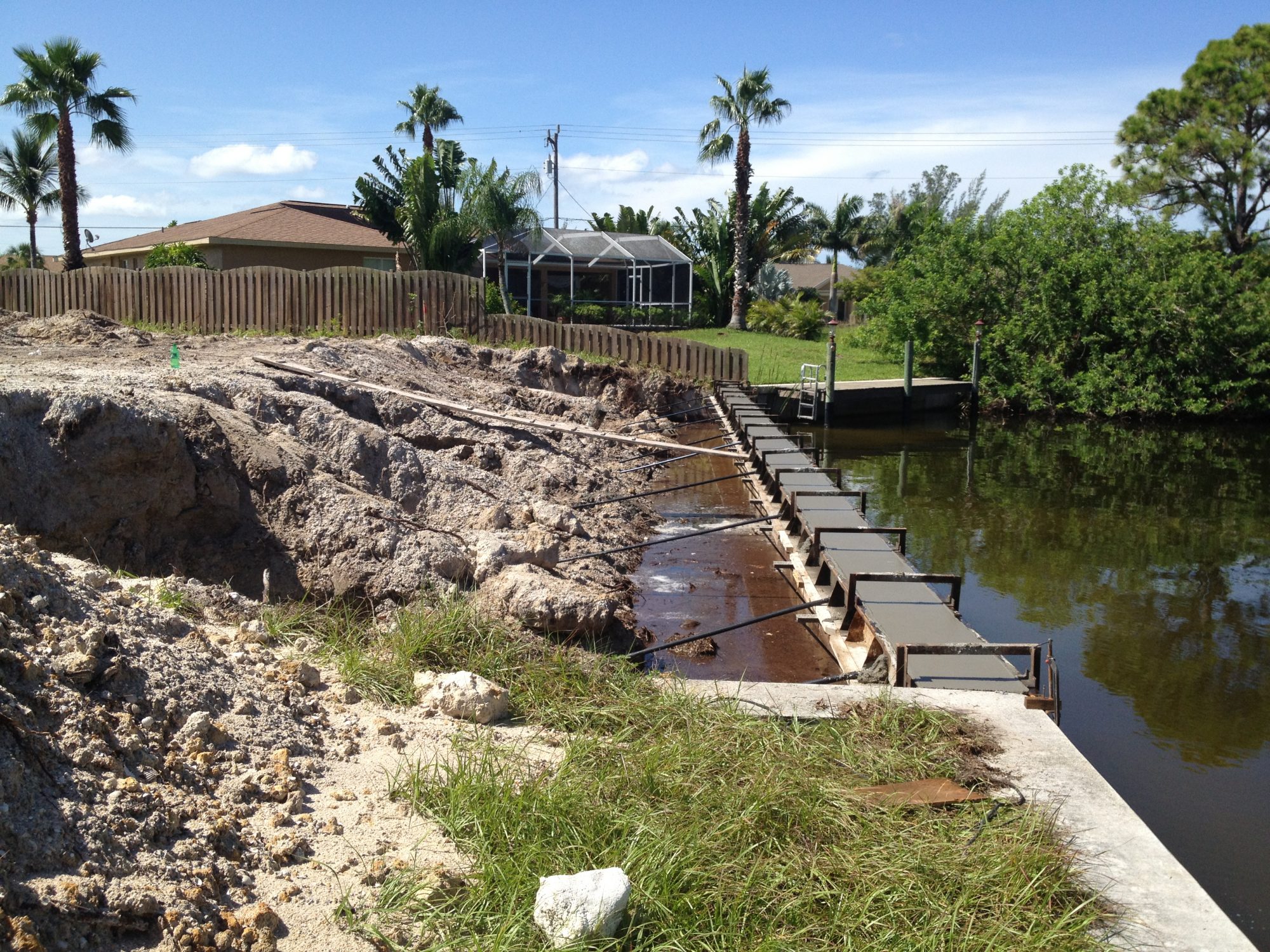
Proper maintenance and repair planning is crucial for ensuring the longevity and effectiveness of your seawall. In Southwest Florida, where saltwater exposure and storm impacts are common, regular inspections can help identify issues before they escalate. Look for signs of wear, such as cracks or bulging, especially after heavy storms or flooding. Documenting these observations can assist in timely repairs and help maintain the structural integrity of your seawall.
When planning for maintenance, consider the materials used in your seawall construction. Vinyl and concrete are popular choices due to their durability against corrosion, but they require different approaches for upkeep. For instance, vinyl may need less frequent attention, while concrete may require sealing to prevent water infiltration. Understanding the specific needs of your seawall material will guide you in scheduling repairs and maintenance effectively.
Additionally, factor in local permitting requirements and potential delays when planning repairs. Engaging a professional contractor like Honc Docks & Lifts can streamline this process, ensuring that all work complies with local regulations. They can also provide insights into the best practices for maintaining your seawall, tailored to your specific site conditions and material choices.
Common FAQs About Seawall Materials
When considering seawall construction materials, many homeowners in Southwest Florida have questions about what will work best for their properties. One common inquiry is, 'What seawall material is best in Southwest Florida?' The right material depends on various factors, including water exposure, soil conditions, and local permitting requirements. Each site presents unique challenges that can influence the choice of materials, whether it’s vinyl, concrete, or steel.
Another frequently asked question is, 'Are vinyl seawalls common for waterfront properties?' Vinyl is indeed a popular choice due to its resistance to saltwater and lower maintenance needs compared to wood. However, the suitability of vinyl or any other material ultimately hinges on specific design requirements and site conditions. Consulting with a knowledgeable contractor can help clarify the best options for your unique situation.
Lastly, potential clients often ask, 'Can Honc help compare seawall material options?' Absolutely. At Honc Docks & Lifts, we can assess your site and discuss practical considerations for seawall repair, replacement, or new construction. We understand the local environment and can provide tailored recommendations to ensure your seawall meets both functional and aesthetic needs.
The right material depends on the property, water exposure, soil conditions, access, budget, maintenance needs, and local permitting requirements.
Vinyl can be used in many waterfront applications, but the right choice depends on design requirements, site conditions, exposure, and contractor recommendations.
Yes. Honc can review the site and explain practical material considerations for seawall repair, replacement, or new construction.