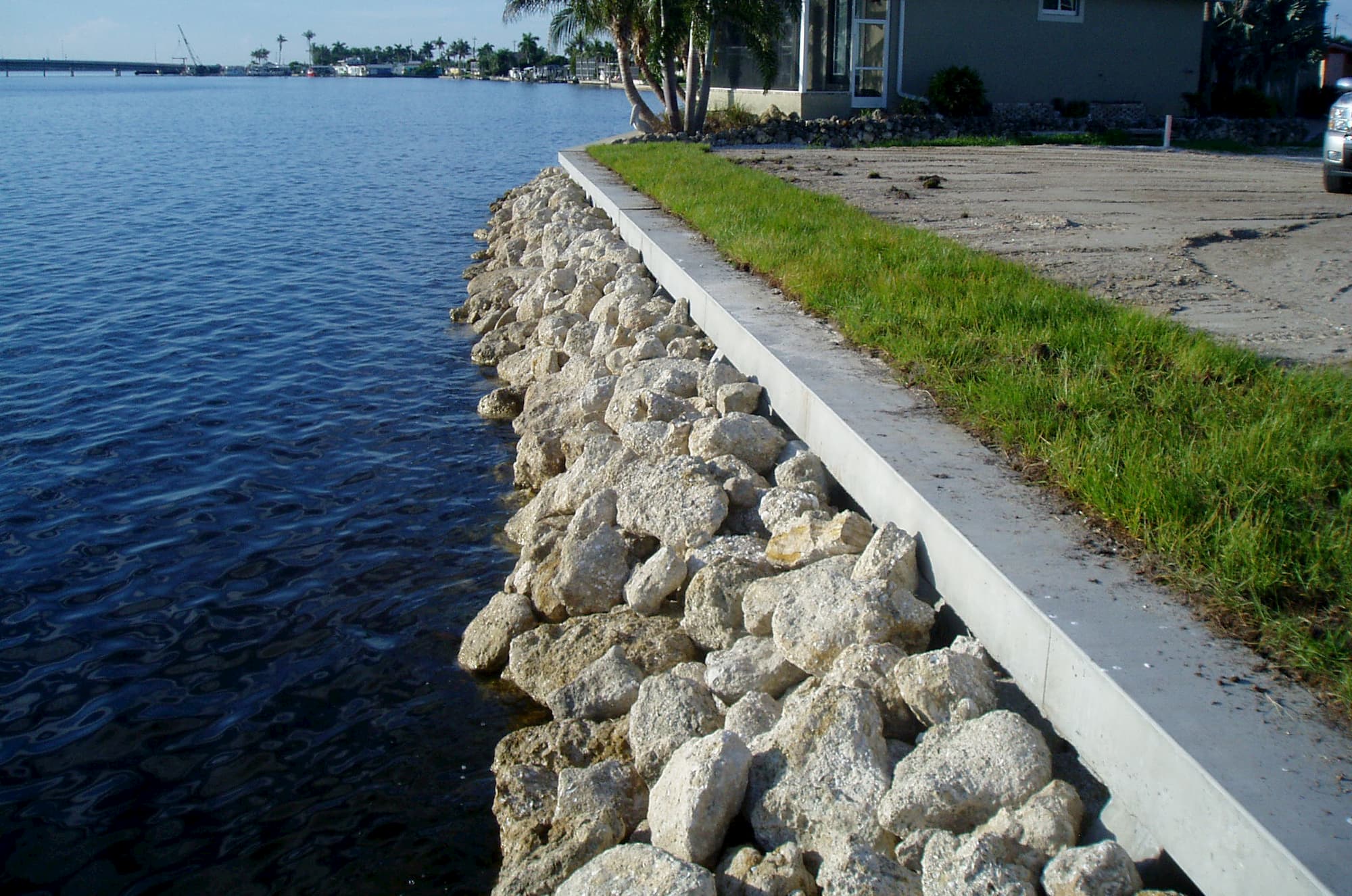
Bulkhead Repair and Seawalls in Southwest Florida
In Southwest Florida, bulkhead repair is crucial for maintaining the integrity of waterfront properties. Bulkheads and seawalls serve as protective barriers against erosion and storm damage, ensuring that your property remains safe from the relentless forces of nature. These structures are particularly important in areas with high water tables and fluctuating water levels, common in our region's canals and coastal environments. Understanding the relationship between these two structures can help property owners make informed decisions about maintenance and repairs.
Waterfront properties are susceptible to various issues, including soil loss and erosion, which can compromise both bulkheads and seawalls. Signs that your bulkhead may need attention include leaning walls, visible cracks, or soil erosion behind the structure. Saltwater exposure can accelerate wear and tear, making regular inspections essential. If you notice any of these warning signs, it’s crucial to consult with a marine construction professional who can assess the condition of your bulkhead and seawall, ensuring that your property remains protected.
When planning for repairs, it’s important to consider local conditions such as permitting delays and access constraints. In many cases, low-water conditions can affect the ability to perform repairs efficiently. Additionally, the condition of the cap and drainage systems must be evaluated to prevent future issues. A thorough inspection will help determine whether repairs are sufficient or if a complete replacement is necessary, allowing you to make the best choice for your waterfront property.
Signs a Bulkhead or Seawall Needs Attention
As a waterfront property owner in Southwest Florida, it's crucial to keep an eye on your bulkhead or seawall. These structures are your first line of defense against erosion and storm damage. Common indicators that your bulkhead needs repair include visible leaning sections, which can signal soil loss or instability beneath the wall. If you notice cracks forming or soil eroding behind the wall, it's time to take action before the situation worsens.
Another sign to watch for is cap damage, which can occur due to saltwater exposure and storm impacts. A compromised cap can lead to further deterioration of the wall itself. Additionally, if you see sinkholes or unusual movement after storms, these are red flags that your seawall may not be performing as it should. Regular inspections are essential to catch these issues early and prevent costly repairs down the line.
Don't overlook drainage problems either. Poor drainage can exacerbate erosion and lead to structural issues. If water is pooling near your bulkhead or seawall, it may indicate that the drainage system isn't functioning properly. Addressing these concerns promptly can help maintain the integrity of your waterfront property and ensure that your bulkhead or seawall continues to protect your investment.
Repair Planning for Waterfront Properties
When planning for bulkhead repairs, it's crucial to assess the unique conditions of your waterfront property in Southwest Florida. Start by evaluating the soil composition and drainage patterns around your bulkhead. Poor drainage can lead to soil erosion and increased pressure on the structure, making it essential to address any issues before repairs begin. A thorough inspection will help identify the extent of damage and whether a simple repair or a more extensive replacement is necessary.
Local regulations play a significant role in repair planning. Be aware of permitting requirements that may affect your project timeline. In Southwest Florida, certain areas may have specific guidelines regarding materials and construction techniques to minimize environmental impact. Consulting with a marine construction contractor familiar with local laws can streamline the process and ensure compliance, preventing costly delays.
Finally, consider the potential for future storm damage when planning your repairs. The region's susceptibility to hurricanes and tropical storms means that bulkheads must be built to withstand harsh conditions. Utilizing marine-grade materials and implementing proper drainage solutions will enhance the longevity of your repairs. A proactive approach to bulkhead maintenance can save you time and money in the long run, ensuring your waterfront property remains secure and functional.
Request a Bulkhead or Seawall Estimate
If you suspect your bulkhead or seawall may need attention, reaching out for a free estimate is a crucial first step. At Honc Docks & Lifts, we understand the unique challenges waterfront property owners face in Southwest Florida. Our team will conduct a thorough inspection, assessing the condition of your structure, the surrounding soil, and any signs of erosion or storm damage. This process helps us identify the best course of action for repairs or replacements.
During the inspection, we will look for specific indicators such as leaning walls, cracks, and cap condition. These signs can reveal underlying issues that may require immediate attention to prevent further damage. Our experienced professionals will also evaluate drainage patterns and the impact of saltwater exposure, ensuring we address all potential problems that could affect the integrity of your bulkhead or seawall.
Once the inspection is complete, we will provide you with a detailed estimate outlining the necessary repairs and associated costs. This transparency allows you to make informed decisions regarding your waterfront property. Don't hesitate to contact us today for your free estimate and ensure your bulkhead or seawall is in optimal condition to protect your investment.
Understanding Bulkhead Washout Repair Costs
When it comes to bulkhead washout repairs, several factors can influence the overall cost. One of the primary considerations is the extent of the damage. If your bulkhead is experiencing significant erosion or soil loss, repairs may require more extensive work, such as reinforcing the structure or replacing sections. Additionally, the type of materials used plays a crucial role; marine-grade materials may come at a premium but are essential for longevity in saltwater environments.
Another factor is the accessibility of the site. In Southwest Florida, some waterfront properties may have limited access due to low-water conditions or nearby structures, which can complicate repairs and increase labor costs. Moreover, local permitting requirements can lead to delays, impacting the timeline and budget for your repair project. Understanding these variables can help homeowners plan and budget effectively for necessary bulkhead repairs.
Finally, consider the long-term implications of neglecting a damaged bulkhead. If left unaddressed, issues such as leaning walls or cracks can lead to more severe erosion and potential property damage, resulting in higher repair costs down the line. Regular inspections are vital to catch problems early, ensuring that your bulkhead remains functional and effective in protecting your waterfront property.
The Impact of Soil Loss and Erosion
Soil loss and erosion can significantly affect the integrity of bulkheads and seawalls, particularly in the dynamic environment of Southwest Florida. When soil erodes away from behind these structures, it can lead to instability, causing walls to lean or crack. This is especially critical in areas with high storm activity or heavy rainfall, where water can wash away supporting soil. Property owners need to be vigilant about these changes, as they can escalate quickly and lead to costly repairs.
In addition to the visible signs of damage, such as leaning walls or cracks, the underlying issues often stem from inadequate drainage or the effects of saltwater exposure. Regular inspections are essential to identify early signs of erosion and soil loss. If left unaddressed, these problems can compromise the entire structure, necessitating more extensive repairs or even complete replacement. Understanding the local conditions, such as canal access and permitting delays, is crucial for effective repair planning.
Timely repairs are vital to maintaining the functionality of bulkheads and seawalls. When soil loss occurs, it’s not just the wall that is at risk; the surrounding landscape and property can also suffer. Engaging a marine construction contractor to assess the situation can provide peace of mind. They can recommend appropriate measures to reinforce the structure, ensuring it withstands the test of time and the elements.
Maintenance Tips for Bulkheads and Seawalls
Proper maintenance of bulkheads and seawalls is crucial for protecting your waterfront property in Southwest Florida. Regular inspections can help identify early signs of wear and tear, such as cracks or leaning walls. It’s essential to check for soil loss behind the structure, as this can lead to significant erosion and instability. Pay attention to drainage systems as well; clogged drains can exacerbate water pressure on the wall, leading to further damage.
In addition to visual inspections, consider the effects of saltwater exposure. Over time, marine-grade materials can degrade, especially if not properly maintained. Ensure that the cap of your bulkhead is in good condition, as it serves as the first line of defense against wave action and storm surges. If you notice any signs of damage, such as crumbling or missing sections, it’s time to consult with a professional to assess the situation.
After storms, it’s vital to conduct a thorough inspection. High winds and storm surges can shift or damage bulkheads and seawalls, leading to potential failure. Look for any new cracks or movement in the structure. If you’re unsure about the condition of your bulkhead or seawall, reach out to a marine construction contractor who can provide a detailed assessment and recommend necessary repairs. Keeping up with maintenance not only prolongs the life of your structures but also protects your investment in your waterfront property.
Frequently Asked Questions about Bulkhead Repair
When it comes to maintaining your waterfront property in Southwest Florida, understanding the nuances of bulkhead repair is essential. Homeowners often wonder if a bulkhead is the same as a seawall. While the terms are frequently used interchangeably, the distinction lies in the specific function and construction of each structure. A bulkhead typically serves to retain soil and prevent erosion, while a seawall is designed to protect against wave action. Knowing the right terminology can help you communicate effectively with contractors and ensure proper maintenance.
Another common question is about the signs indicating that a bulkhead needs repair. Homeowners should be vigilant for warning signs such as leaning sections, visible cracks, or soil loss behind the wall. Erosion can also manifest as sinkholes or movement after storms, which may compromise the integrity of your bulkhead. Additionally, check for cap damage, as this can lead to further deterioration if not addressed promptly.
Lastly, many property owners ask if Honc can inspect both bulkhead and seawall issues. The answer is yes. Our team can comprehensively review the shoreline structure, surrounding soil conditions, drainage systems, and the overall condition of the cap. This thorough inspection helps us determine the best course of action, whether it’s a minor repair or a more extensive replacement, ensuring your property remains protected against the unique challenges of our coastal environment.
The terms are often used together, but the right terminology can depend on the structure, setting, material, and how the wall protects the shoreline.
Warning signs include leaning sections, cracks, soil loss, sinkholes, erosion behind the wall, cap damage, or movement after storms.
Yes. Honc can review the shoreline structure, surrounding soil, drainage, cap condition, and nearby dock or lift features to help determine next steps.