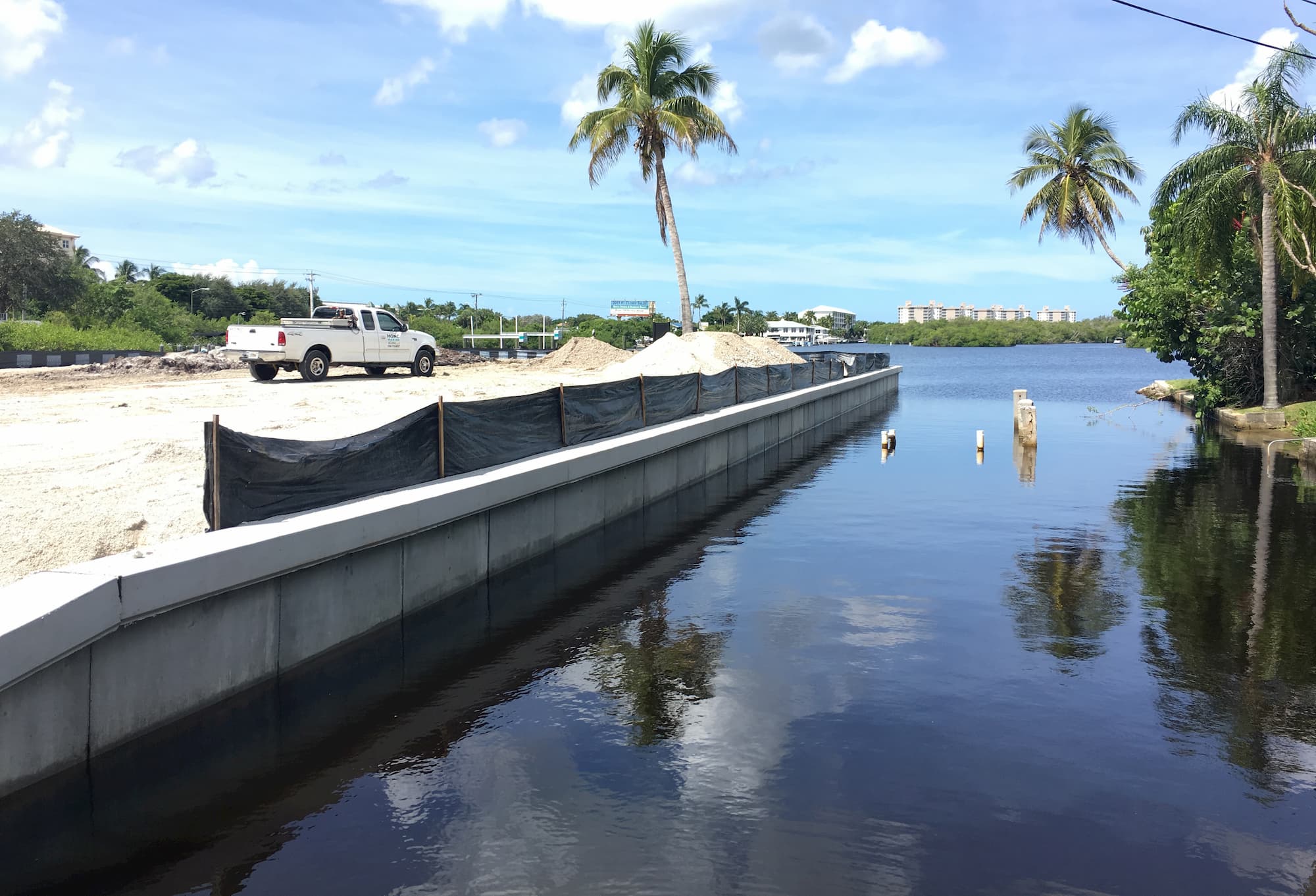
Seawall Maintenance in Southwest Florida
Maintaining your seawall in Southwest Florida is crucial due to the unique environmental challenges we face. The region's saltwater exposure can accelerate wear and tear, leading to issues like cracks and erosion. Regular inspections are essential, especially after storms, to identify any signs of damage. Factors such as soil loss and drainage problems can also impact the stability of your seawall, making it imperative to address these concerns promptly to avoid costly repairs down the line.
In addition to visual inspections, it's important to check the condition of the cap and the tiebacks that secure your seawall. Over time, these components can degrade, especially in areas with heavy boat traffic or frequent storms. If you notice any leaning sections or rust stains, these could be early warning signs that maintenance is needed. Keeping an eye on the surrounding soil and drainage patterns will help you catch potential issues before they escalate.
Planning for maintenance after storms or seasonal changes is vital. Low-water conditions can expose weaknesses in your seawall, while heavy rains can lead to increased erosion. By scheduling regular inspections and maintenance, you can ensure that your seawall remains in good condition and effectively protects your property from the elements. If you’re unsure about the state of your seawall, don’t hesitate to reach out for a professional inspection or maintenance estimate from Honc Docks & Lifts.
What to Check Around Your Seawall
Inspecting your seawall regularly is crucial for maintaining its integrity and preventing costly repairs. Start by looking for visible cracks in the wall. These can indicate underlying issues, especially if they are widening or deepening. Pay attention to the cap condition as well; if it’s crumbling or missing, it can expose the structure to further damage from saltwater and erosion. Small cracks may seem insignificant, but they can lead to larger problems if not addressed promptly.
Next, evaluate the drainage around your seawall. Proper drainage is essential to prevent soil loss and erosion behind the wall. Check for any blockages that could cause water to pool, which can weaken the seawall’s foundation. If you notice any leaning sections or exposed tiebacks, these are signs that the wall may be shifting due to soil erosion or water pressure. Regular checks can help you catch these issues early, before they escalate into major repairs.
Lastly, consider the impact of seasonal changes and storms. Heavy rains can exacerbate existing problems, so inspect your seawall after any significant weather events. Look for signs of storm damage, such as debris accumulation or new cracks. Saltwater exposure can also wear down materials over time, so ensure that marine-grade materials are used for any necessary repairs. Keeping a close eye on these factors will help you maintain your seawall effectively and extend its lifespan.
Maintenance Planning After Storms and Seasonal Changes
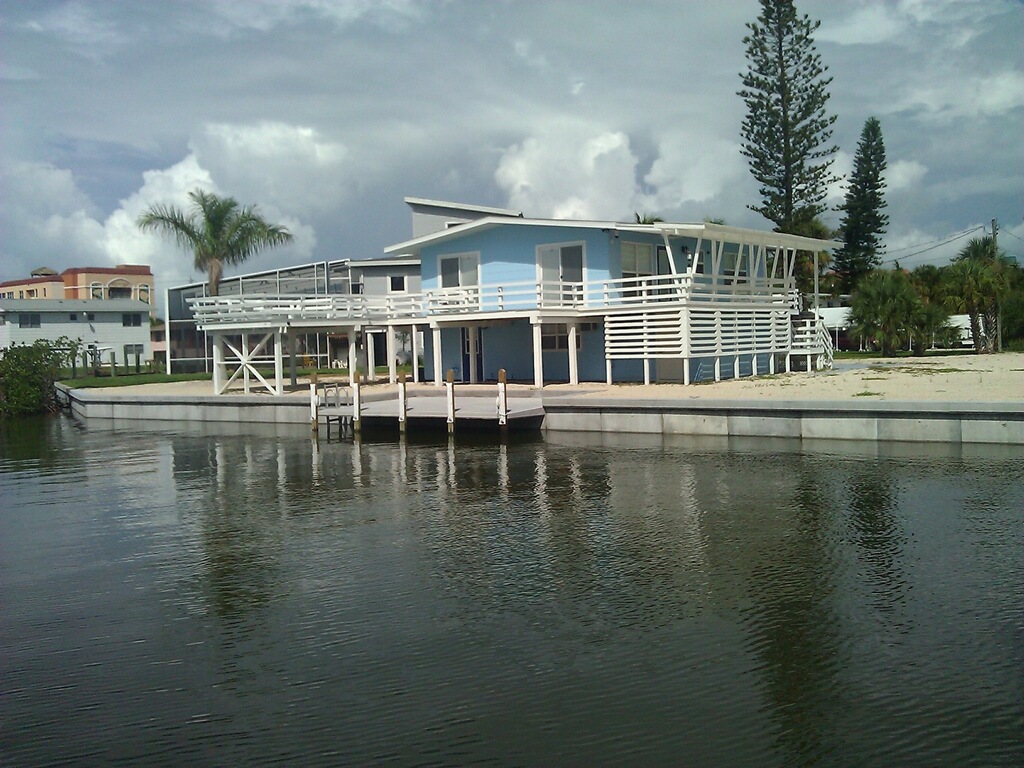
After a storm or significant seasonal change, assessing your seawall's condition is crucial. High winds and heavy rains can lead to soil erosion, expose tiebacks, and even cause cracks in the wall itself. It's essential to conduct a thorough inspection to identify any damage that may have occurred. Look for signs of movement or leaning sections, as these can indicate underlying issues that need immediate attention. Ignoring these signs can lead to more extensive repairs down the line.
In Southwest Florida, saltwater exposure can accelerate wear and tear on seawalls. After storms, check for rust staining or deterioration of the cap, which protects the wall from the elements. If you notice any cracks or gaps, it's vital to address them promptly to prevent further erosion or water intrusion. Regular inspections, especially after severe weather, can help you catch these issues early and maintain the integrity of your seawall.
Planning for maintenance should also consider local conditions like low-water levels and canal access. Depending on the severity of the damage, you may need to schedule repairs quickly to avoid permitting delays. Working with a marine contractor familiar with local regulations ensures that your seawall is not only repaired but also compliant with all necessary guidelines. Proactive maintenance can save you time and money in the long run, keeping your waterfront property safe and secure.
Request a Seawall Inspection or Maintenance Estimate
If you're a waterfront homeowner or property manager in Southwest Florida, it's crucial to prioritize the condition of your seawall. Regular inspections can identify potential issues before they escalate into costly repairs. Our team at Honc Docks & Lifts offers comprehensive seawall inspections tailored to the unique challenges posed by our local environment, including saltwater exposure and storm impacts. We understand that each seawall is different, and our experienced professionals will assess the specific needs of your structure.
When you request an estimate for seawall maintenance, we take into account various factors such as cracks, cap condition, drainage efficiency, and soil loss. Our goal is to provide you with a clear understanding of any necessary repairs and maintenance tasks that will prolong the life of your seawall. It's essential to act sooner rather than later, as minor issues can lead to significant problems if left unattended.
Don't wait for visible damage to prompt action. Contact us today to schedule your seawall inspection or maintenance estimate. Our knowledgeable team is here to ensure your seawall remains a strong barrier against erosion and storm damage, protecting your property and investment for years to come.
Understanding the Economics of Seawall Maintenance
For waterfront property owners in Southwest Florida, the economics of seawall upkeep can significantly impact long-term investment. Regular seawall maintenance is essential to prevent costly repairs that can arise from neglect. A well-maintained seawall can extend its lifespan, while overlooking minor issues like cracks or drainage problems can lead to more severe structural failures and expensive repairs down the line. By prioritizing maintenance, property owners can save money and ensure their seawalls remain functional and effective against erosion and storm damage.
The cost-benefit analysis of seawall care involves evaluating the immediate expenses of maintenance against potential future repair costs. Regular inspections can identify early signs of wear, such as soil loss or wall movement, allowing for timely interventions. This proactive approach not only mitigates the risk of major repairs but also enhances property value. Homeowners should consider the long-term savings associated with maintaining their seawalls, as the initial investment in upkeep can prevent much larger financial burdens in the future.
In addition to financial considerations, the environmental impact of seawall maintenance cannot be overlooked. Properly maintained seawalls help protect local ecosystems by preventing erosion and sediment displacement. As a marine construction contractor, we understand the unique challenges posed by saltwater exposure and the need for marine-grade materials. By investing in regular maintenance, property owners not only safeguard their investments but also contribute to the health of the surrounding marine environment.
Seawall Maintenance in Southwest Florida
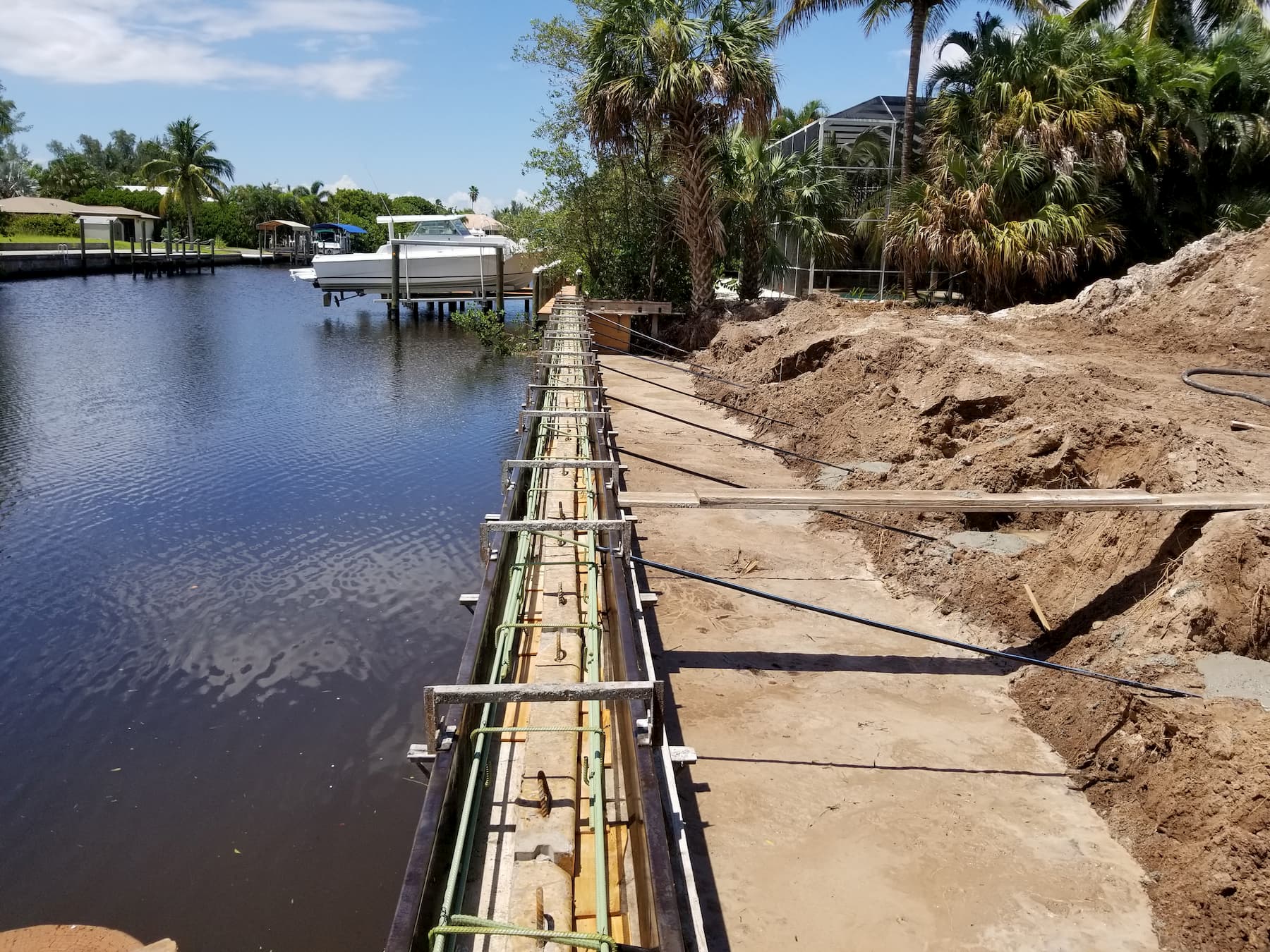
Maintaining your seawall is crucial for protecting your waterfront property from erosion and storm damage. In Southwest Florida, the unique coastal environment means that seawalls face constant challenges from saltwater exposure, shifting soil, and seasonal weather changes. Regular inspections and maintenance help identify issues early, ensuring your seawall remains structurally sound and functional. Pay attention to signs of wear, such as cracks or cap deterioration, which can lead to more significant problems if not addressed promptly.
It's essential to check the drainage systems around your seawall. Clogged or improperly functioning drainage can lead to soil loss and increased pressure on the wall, causing it to lean or shift. Additionally, inspect the tiebacks that secure your seawall; exposed or rusted tiebacks can indicate underlying issues that need immediate attention. Keeping an eye on these elements will help you maintain the integrity of your seawall and prolong its lifespan.
After storms or seasonal changes, a thorough maintenance plan is vital. High winds and heavy rains can exacerbate existing issues or create new ones. Assess the condition of your seawall, looking for any signs of movement or erosion. If you notice any significant changes, it may be time to request a seawall inspection or maintenance estimate from a trusted contractor like Honc Docks & Lifts. Proactive maintenance can save you from costly repairs down the line, ensuring that your seawall continues to protect your property effectively.
Using High-Quality Materials for Repairs
When it comes to seawall maintenance, selecting the right materials is crucial for the longevity and effectiveness of your structure. In Southwest Florida, where saltwater exposure is a constant factor, using marine-grade materials can significantly enhance the durability of your seawall. These materials are specifically designed to withstand harsh marine environments, reducing the risk of corrosion and deterioration over time. Investing in high-quality repairs not only prolongs the life of your seawall but also helps maintain the aesthetic appeal of your waterfront property.
Regular inspections should include a thorough assessment of the materials used in your seawall. Look for signs of wear, such as rust staining or cracks in the concrete. If you notice any issues, it’s essential to address them promptly with durable repair materials. This proactive approach can prevent minor problems from escalating into costly repairs later on. Remember, the right materials can make a significant difference in how well your seawall withstands the elements.
In addition to choosing the right materials, proper installation techniques are equally important. Ensure that any repairs are carried out by experienced professionals who understand the unique challenges of marine construction. They should be familiar with local permitting processes and site-specific conditions, such as low-water levels or canal access constraints. By prioritizing quality materials and expert installation, you can ensure that your seawall remains a reliable barrier against erosion and storm damage for years to come.
Common Seawall Maintenance Warning Signs
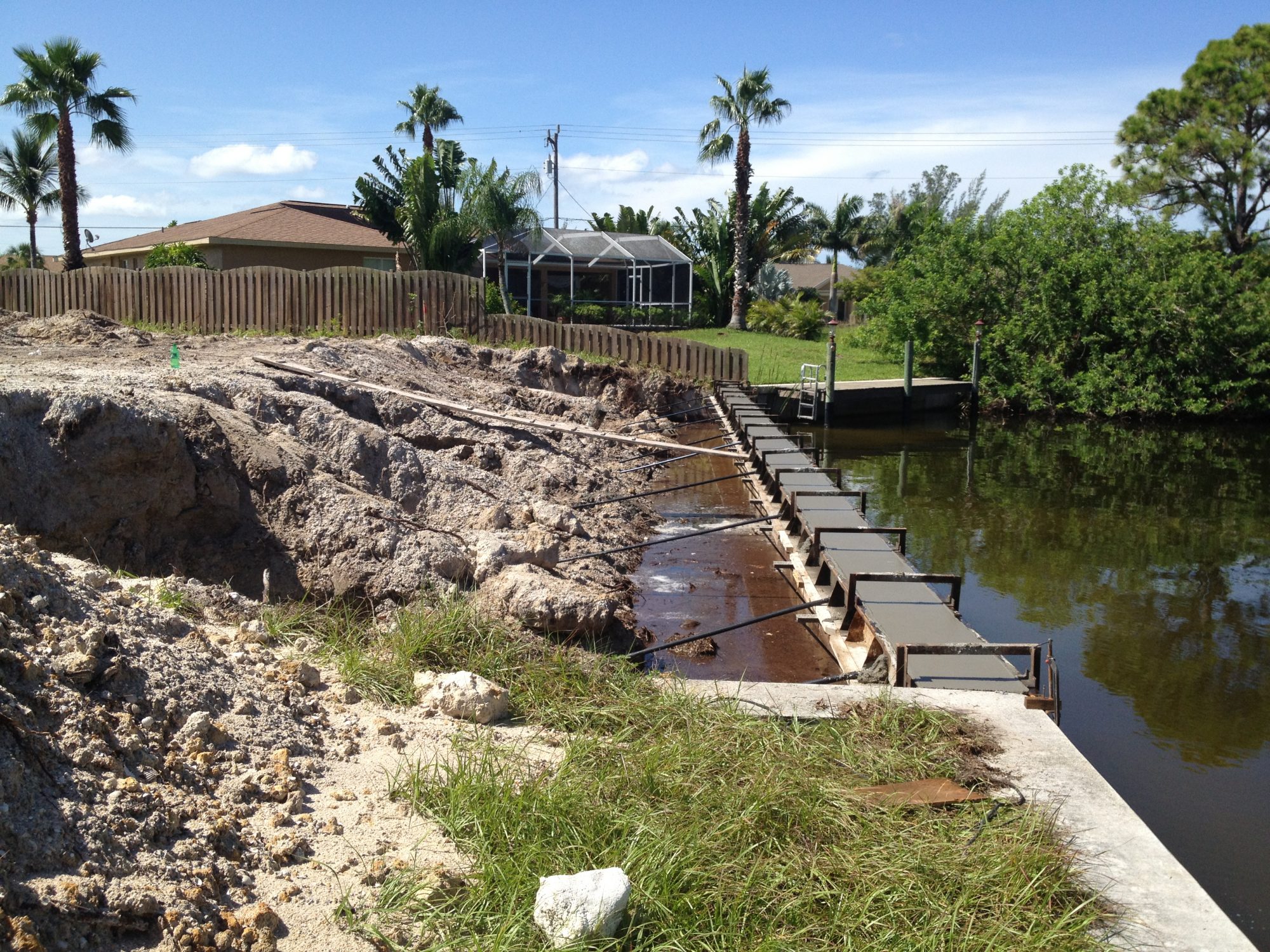
As a waterfront property owner, it's crucial to recognize the early signs that your seawall may need attention. Look for visible cracks or chips in the concrete, which can indicate underlying issues. Pay close attention to the cap of the seawall; if it’s crumbling or missing pieces, it’s not just an aesthetic problem but a sign that water may be infiltrating the structure. Additionally, check for soil loss behind the wall, which can lead to instability and increased erosion.
Another red flag is the presence of leaning sections or noticeable wall movement. This could be a result of poor drainage or shifting soil conditions, particularly after heavy rains or storms. Exposed tiebacks should also be monitored; if they’re rusting or becoming visible, it’s a sign that the seawall is under stress. Regular inspections can help catch these issues before they escalate into costly repairs, ensuring the longevity of your seawall.
Saltwater exposure in our region can exacerbate wear and tear on seawalls. Look for signs of erosion behind the wall, especially in areas where the water level fluctuates. If you notice pooling water or drainage problems, it’s essential to address these concerns promptly. Ignoring these warning signs can lead to significant structural damage, so proactive maintenance is key to preserving your seawall's integrity and protecting your waterfront investment.
How Often Should a Seawall Be Inspected?
For waterfront homeowners in Southwest Florida, regular inspections of your seawall are crucial to maintaining its integrity. Ideally, you should conduct a visual check at least twice a year, but after significant weather events like storms or heavy rainfall, it's essential to assess any potential damage. Saltwater exposure can accelerate wear and tear, making these inspections even more important in our coastal environment.
During an inspection, look for signs of deterioration such as cracks, soil erosion, or movement in the wall structure. These issues can indicate underlying problems that need addressing before they escalate into costly repairs. Additionally, pay attention to the condition of the cap and drainage systems, as proper water management is vital to prevent further damage.
After a storm, the inspection should be thorough, checking for any shifts or damage caused by high winds and waves. Keep in mind that local permitting processes can delay repairs, so catching issues early can save time and money in the long run. Regular maintenance not only prolongs the life of your seawall but also protects your property from potential flooding and erosion.
Can Maintenance Prevent Bigger Seawall Repairs?
Routine maintenance is crucial for the longevity of your seawall, especially in the unique conditions of Southwest Florida. Regular inspections can help identify minor issues like small cracks or soil erosion before they escalate into costly repairs. By addressing these problems early, you not only save money but also extend the life of your seawall, ensuring it continues to protect your waterfront property effectively.
Pay close attention to the cap condition and drainage systems around your seawall. A damaged cap can lead to water infiltration, which exacerbates erosion and weakens the structure. Additionally, proper drainage is vital; without it, water can accumulate and cause soil loss behind the wall. Maintaining these elements helps prevent wall movement and ensures that your seawall remains stable, protecting your property from storm damage.
In the wake of seasonal storms, it's essential to reassess the condition of your seawall. Heavy rains can shift soil and expose tiebacks, leading to potential structural issues. After such events, a thorough inspection can reveal hidden damages that might not be immediately visible. By investing in regular maintenance and timely inspections, you can avoid the need for extensive repairs and keep your seawall in top condition for years to come.
Waterfront owners should visually check their seawall regularly and after major storms, heavy rain, or noticeable changes around the shoreline.
Watch for cracks, cap damage, soil loss, sinkholes, drainage problems, leaning sections, exposed tiebacks, rust staining, or erosion behind the wall.
Regular attention can help catch drainage, erosion, cap, or movement issues earlier, before they become more expensive repair problems.