Blog on Docks and Boat Lifts in SWFL – Boat Builder Fort Myers, FL | Cape Coral, FL

Used Jet Ski Lifts for Sale | HONC Docks & Lifts

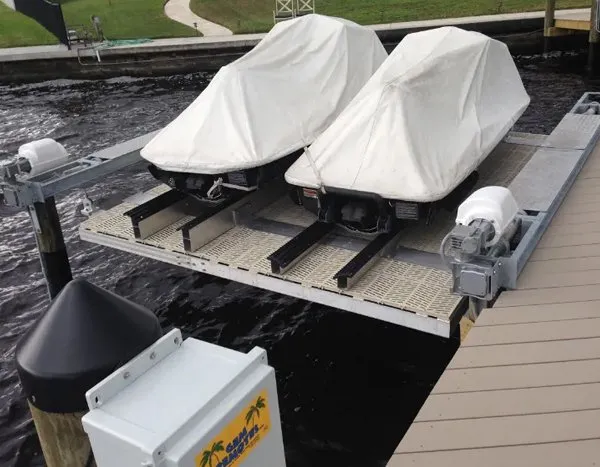
Finding dependable used jet ski lifts for sale can be a smart investment for waterfront property owners who want to protect their watercraft without overspending. At HONC, we specialize in high-quality pre-owned lifts that are carefully inspected for durability and performance. Moreover, choosing a pre-owned option allows you to enjoy premium features at a fraction of the cost. As a result, you can extend the life of your jet ski while maximizing your budget.

Why Choose a Pre-Owned Jet Ski Lift?

  • Cost Savings: Pre-owned lifts typically cost significantly less than new models.
  • Proven Performance: Many units have a track record of reliability in real-world conditions.
  • Eco-Friendly Choice: Reusing equipment reduces environmental impact.
  • Immediate Availability: Unlike new builds, used options are often ready for quick installation.

Additionally, these advantages make pre-owned lifts an appealing option for both new and experienced waterfront owners.

What to Expect from HONC Inventory

At HONC, every lift is evaluated for structural integrity and functionality before being offered for resale. For example, we inspect motors, cables, and frames to ensure dependable operation. Meanwhile, our team provides guidance to help you select the right lift based on your shoreline, water depth, and jet ski model. Therefore, you can feel confident that your purchase meets both performance and safety standards.

Key Features You May Find:

  • Adjustable cradle systems
  • Corrosion-resistant materials
  • Manual or electric operation
  • Weight capacities for various models
  • Compact designs for tight dock spaces
  • Easy installation compatibility

However, features vary depending on availability, so it’s important to review current inventory with our team.

How to Choose the Right Lift

When browsing options, consider your shoreline conditions, including water depth and wave activity. Additionally, think about the size and weight of your jet ski to ensure compatibility. In contrast to buying new, selecting a pre-owned unit requires a closer look at condition and maintenance history. Therefore, working with a trusted provider like HONC helps eliminate uncertainty and ensures you get lasting value.

For additional guidance on safe boating equipment and maintenance, visit the
U.S. Coast Guard Boating Safety Resource Center.

FAQ

Are pre-owned lifts reliable?

Yes, especially when inspected and serviced by professionals like HONC.

Can I install a used lift on my existing dock?

In most cases, yes. However, compatibility depends on your dock structure.

Do used lifts come with warranties?

Some units may include limited warranties or service guarantees—ask our team for details.

Boathouse Boat Lifts for Safer, Cleaner Waterfront Storage | HONC

Many waterfront owners want more than simple storage. They want a cleaner slip, faster launching, and better protection for their investment. Boathouse boat lifts deliver exactly that by raising the vessel out of the water when it is not in use. As a result, owners can reduce hull exposure, limit marine growth, and simplify routine upkeep.

At HONC, we help property owners evaluate covered-slip lift systems based on boat size, structure layout, water conditions, and daily use. Moreover, our team understands that a boathouse setup often requires a more customized approach than an open-water installation. From planning through installation, we focus on reliable operation, proper fit, and a clean finished look.

Why a Lift Makes Sense Inside a Boathouse

A lift inside a boathouse offers practical benefits that go far beyond convenience. First, it keeps the boat elevated between outings, which can help reduce algae buildup, corrosion, and staining. Additionally, it makes boarding and loading easier because the vessel remains positioned consistently in the slip.

Boathouse environments also create unique structural and clearance considerations. Therefore, the right lift must match the available width, roof height, piling layout, and beam placement. A well-matched system can improve usability without compromising the look or function of the structure itself.

For many owners, this upgrade also supports long-term asset care. According to the U.S. Environmental Protection Agency, reducing in-water fouling can help decrease the spread of aquatic invasive species when paired with proper maintenance and cleaning practices. That makes dry storage strategies even more valuable for responsible boat ownership.

What to Consider Before Choosing a Lift

Boat Size and Weight

Start with accurate vessel weight, including fuel, batteries, gear, and accessories. Otherwise, an undersized system may wear faster and perform poorly.

Slip and Structure Dimensions

Measure clear width, water depth, beam spacing, and overhead clearance. In contrast to open-slip systems, boathouse lifts must work within tighter structural limits.

Lift Style and Operation

Cable, beamless, and specialized overhead configurations each serve different layouts. Meanwhile, motor and control options can improve ease of use.

Water Conditions

Tidal movement, fluctuating levels, and wave action all matter. Therefore, the lift design should reflect real site conditions rather than generic assumptions.

Service Access

A smart installation leaves room for inspection and maintenance. As a result, ownership becomes easier over time.

Future Needs

If you may change boats later, plan for capacity and adaptability now. That decision can prevent costly modifications later.

How HONC Helps You Get the Right Fit

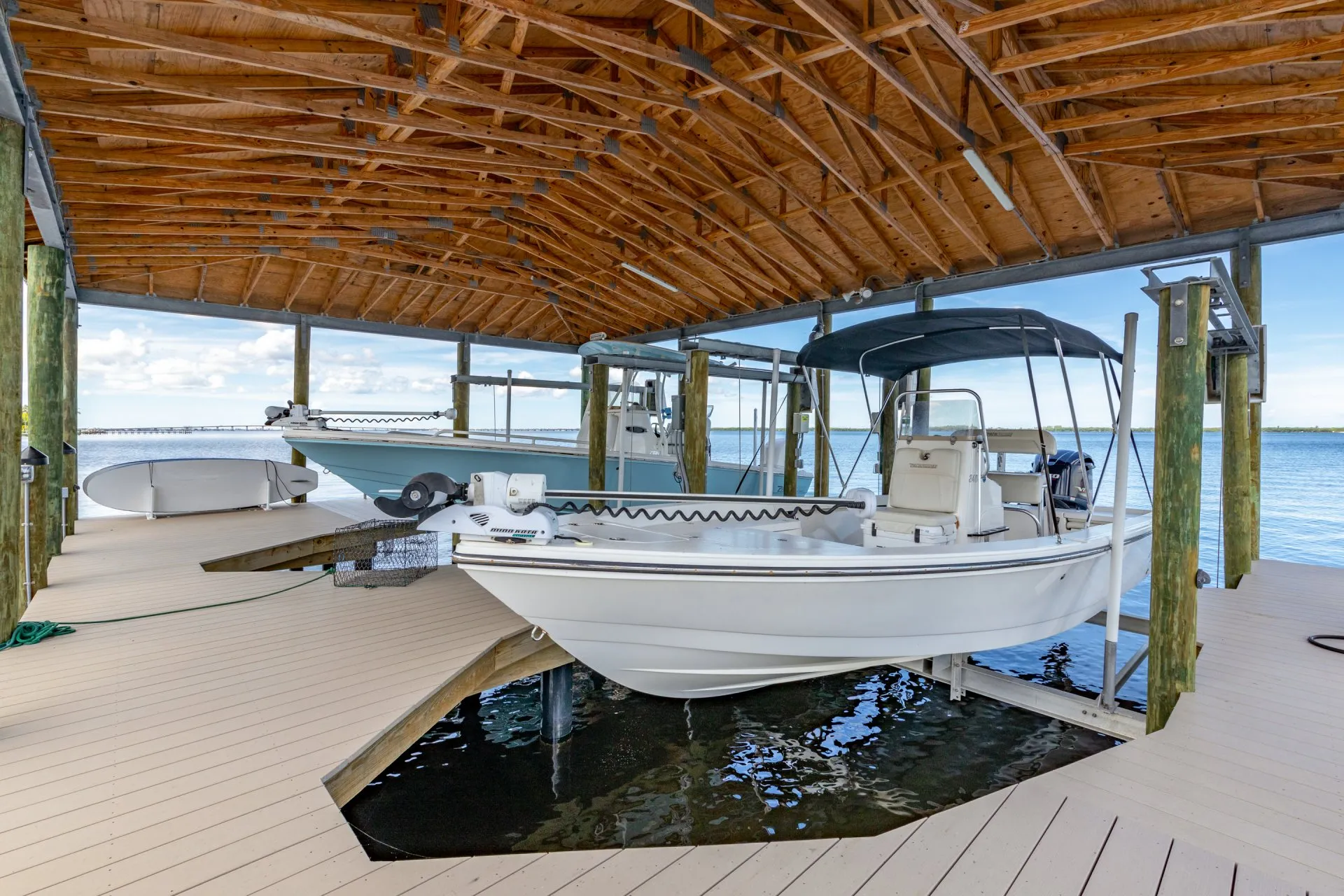
A white boat secured on a lift under a wooden covered dock overlooking the water.

Site Review

We assess boathouse layout, access points, and structural constraints before recommending a system.

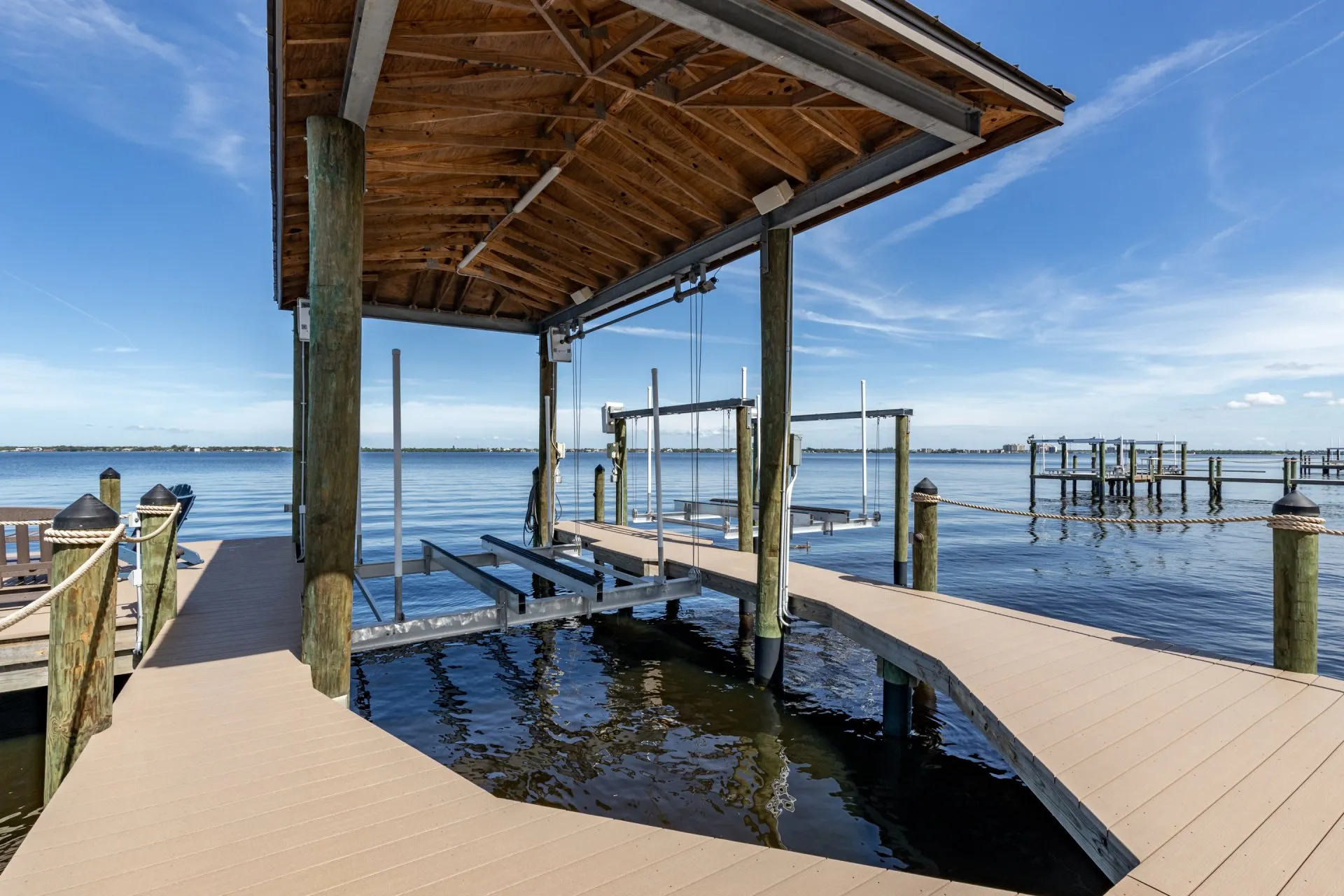
Dock with a wooden pavilion, boat lift structure, and serene water views.

Lift Selection

Our team helps match capacity, configuration, and controls to your boat and your waterfront setup.

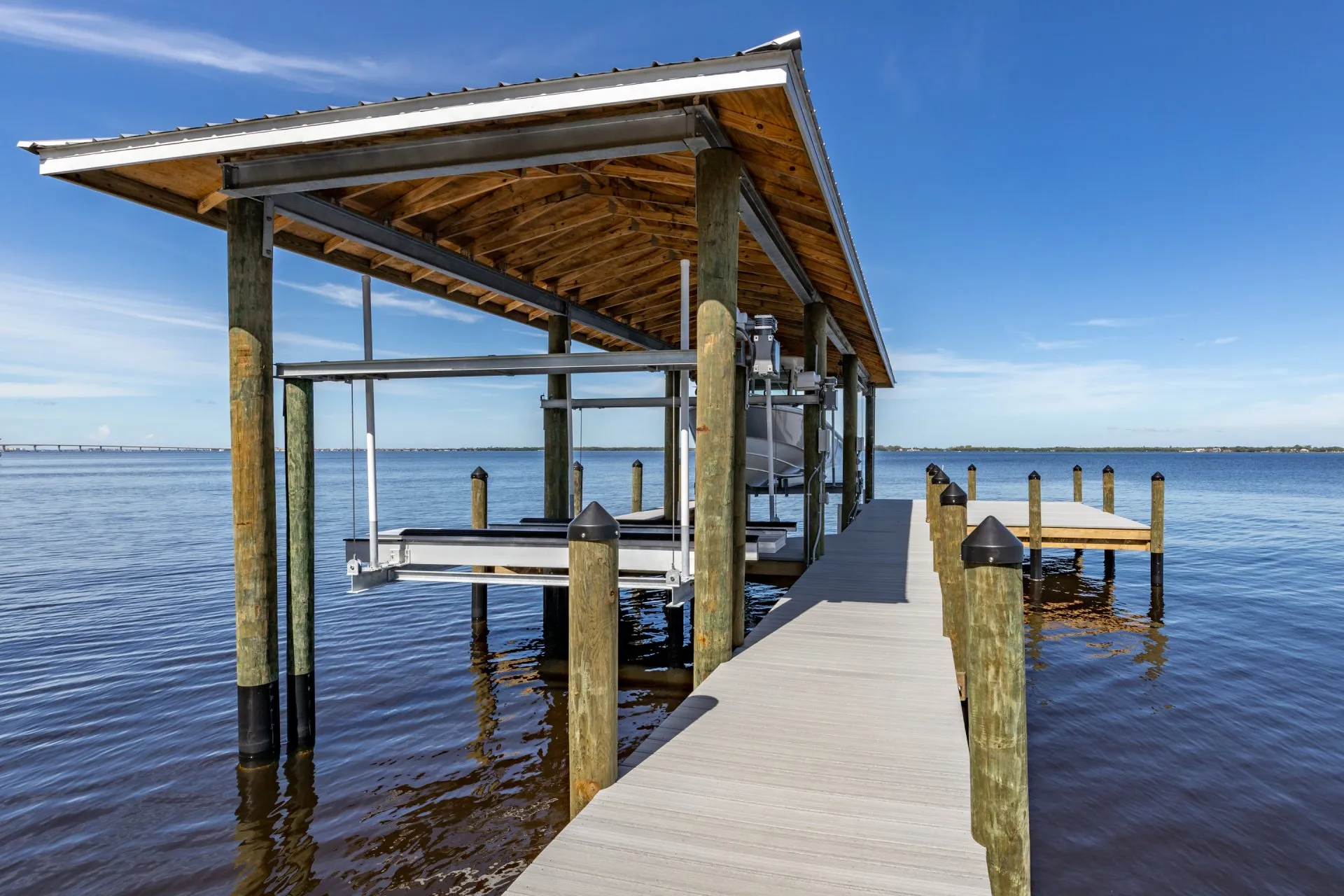
Covered dock with a boat lift extending over calm water.

Professional Installation

Proper alignment and secure mounting matter. Accordingly, installation quality is just as important as product quality.

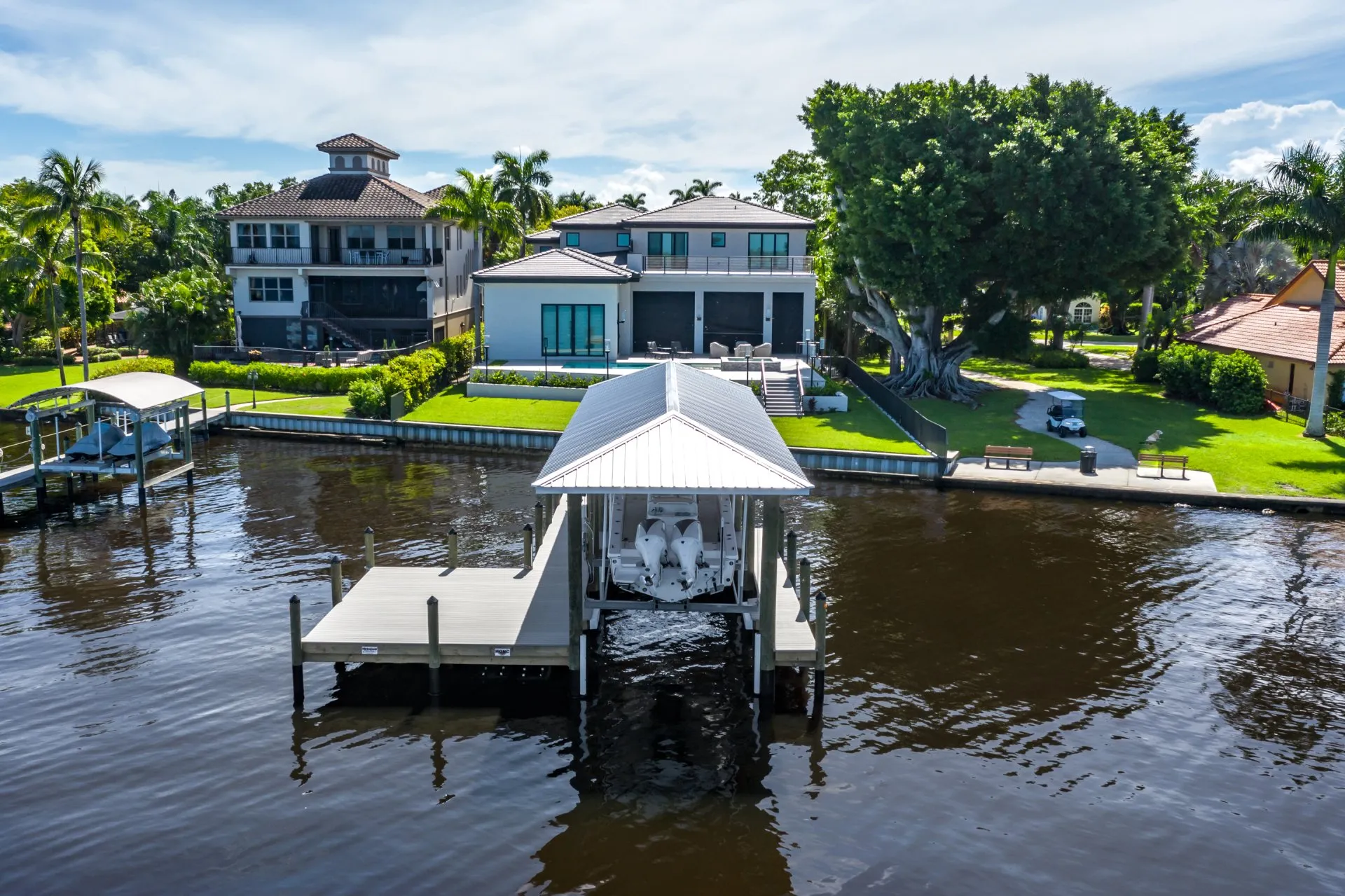
Covered dock with a metal roof and dual-motor boat in front of a modern waterfront home.

Guidance After Install

We also help owners understand operation, care, and maintenance best practices for dependable long-term use.

Benefits for Everyday Waterfront Living

The right lift can make each outing simpler. Instead of dealing with constant water exposure, owners can step into a cleaner boat that is easier to inspect and quicker to launch. Moreover, elevated storage can help preserve appearance, improve readiness, and reduce time spent on preventable maintenance.

There is also a visual advantage. Because the vessel sits neatly within the structure, the entire waterfront area often looks more organized and intentional. Ultimately, that combination of protection and convenience is why many property owners explore boathouse boat lifts as a practical upgrade rather than a luxury add-on.

FAQ

What are boathouse boat lifts used for?

They are used to raise and store a boat inside a covered slip or boathouse. This helps reduce hull exposure to the water and can make access easier between trips.

Are all lift systems suitable for a boathouse?

No. Structural spacing, roof clearance, water depth, and vessel size all affect compatibility. Therefore, a site-specific recommendation is important.

Can a lift help reduce maintenance?

Yes. By keeping the boat out of the water when not in use, owners may reduce marine growth, staining, and some types of wear.

How do I know what capacity I need?

Use the fully loaded boat weight, not just the dry weight. Additionally, include fuel, batteries, gear, and accessories when calculating capacity.

Does HONC install boathouse boat lifts?

HONC helps property owners evaluate lift options and installation needs for covered-slip applications, with recommendations based on layout, usage, and boat requirements.

Choosing the right lift is about more than capacity. It is about matching the system to the structure, the boat, and the way you use your waterfront every day.

Dock Mounted Jet Ski Lift Options for Easy, Secure Waterfront Storage

A dock mounted jet ski lift is a practical choice for homeowners, marinas, and waterfront properties that want faster access to the water without sacrificing protection. Instead of leaving your watercraft in the water between rides, a raised system keeps it more secure and easier to maintain. Moreover, it can reduce buildup, limit damage from waves and wake, and simplify boarding at the dock.

At HONC, we guide customers toward lift solutions that match their shoreline conditions, dock layout, and usage goals. As a result, you get a setup that supports convenience today while also helping protect your investment over time.

Why Choose a Lift Mounted to Your Dock?

Cleaner Storage

Keeping your PWC out of the water helps reduce algae, staining, and long-term hull exposure.

Faster Launching

Because the unit is positioned right at the dock, getting on and off the water is more efficient.

Space-Smart Design

Many dockside systems work well where shoreline space is limited or where quick access matters most.

Better Protection

In contrast to in-water storage, an elevated setup can help minimize wear from wake, currents, and debris.

A Smarter Way to Store and Launch Your Personal Watercraft

Choosing the right dock mounted jet ski lift is about more than simply raising a watercraft out of the water. The right system should fit your dock structure, support the weight and size of your PWC, and provide smooth operation day after day. Additionally, it should make boarding comfortable and help reduce the hassle of seasonal upkeep.

For many waterfront owners, dock-mounted systems are appealing because they keep the watercraft close, accessible, and ready to use. Meanwhile, they also create a cleaner look along the dock and can improve how efficiently the space functions. Whether you own one personal watercraft or manage several, the right lift can make everyday waterfront use noticeably easier.

HONC works with customers to evaluate layout, water depth, usage frequency, and dock configuration before recommending a solution. Therefore, your lift is selected with real conditions in mind instead of guesswork.

The best lift solution is one that fits your dock, your watercraft, and the way you actually use your waterfront.

HONC

For general personal watercraft safety and operating guidance, see the Discover Boating resource on PWC safety.

FAQ

What is a dock mounted jet ski lift?

A dock mounted jet ski lift is a system attached to a dock that raises a personal watercraft out of the water for storage, protection, and easier access.

Is this type of lift good for residential docks?

Yes. In many cases, it is an excellent fit for residential waterfront properties because it keeps the watercraft close to the dock and ready for use.

Can HONC help determine the right setup?

Yes. HONC can help assess dock layout, lift capacity needs, and site conditions so the recommended system aligns with your property and usage goals.

Why not leave a jet ski in the water?

Leaving a PWC in the water can increase hull staining, exposure to debris, and wear from wave action. By comparison, storing it on a lift can help reduce those issues.

Boat Ladders Near Me | HONC

If you have been looking for boat ladders near me, you are probably not just shopping for hardware. Instead, you are trying to find a safer, more convenient way to board from the dock, re-enter the water, or improve access for family and guests. HONC helps property owners choose ladder solutions that match their waterfront setup, intended use, and long-term maintenance goals. As a result, you get more than a product—you get guidance that helps you avoid a poor fit, weak materials, or an awkward entry angle.

Why Homeowners Choose HONC for Boarding Ladder Solutions

Practical Fit

Every waterfront setup is different. Therefore, we help identify ladder styles and placement options that work with your dock layout, water depth, and boarding habits.

Durable Materials

Marine environments are demanding. Consequently, choosing corrosion-resistant construction and dependable hardware matters for long-term performance.

Easier Entry and Exit

A well-chosen ladder can make routine boarding more comfortable for adults, kids, and guests. In addition, the right rung depth and angle can improve confidence at the water’s edge.

Local Guidance

Buying locally means you can discuss your needs with a team that understands waterfront conditions, installation concerns, and service expectations.

A ladder may seem like a small detail, yet it has a big impact on usability. For example, the wrong ladder can feel too steep, sit too high above the water, or create an awkward step when boarding from the dock. Meanwhile, the right option can make swimming, loading gear, and everyday access much smoother. HONC helps narrow down the choices so you can focus on what works best for your shoreline and boating routine.

What to Consider Before You Buy

  • Dock height above the water
  • Water depth at the ladder location
  • Fixed or floating dock conditions
  • Number of steps needed for comfortable boarding
  • Frequency of use during the season
  • Weight capacity and user comfort
  • Material performance in a marine environment
  • Installation method and future maintenance needs

For added safety context, Discover Boating notes that a boarding ladder should have at least three steps, with the lowest rung extending about three feet below the water’s surface. That guidance can be useful when comparing options for easier reboarding.

Local Help Makes the Buying Process Easier

Shopping online can show you endless ladder options. However, product listings alone rarely explain which style will work best with your actual dock or boat access point. HONC helps bridge that gap by discussing dimensions, usage patterns, and installation priorities before you buy. As a result, you can move forward with more clarity and less guesswork.

Whether you want a ladder primarily for boarding, swimming access, or general dock convenience, the goal is the same: safe and reliable movement in and out of the water. Additionally, a better fit usually means a better experience for everyone who uses your waterfront space.

Built for Everyday Waterfront Use

A boarding ladder should support more than occasional use. Instead, it should hold up to sun, splash, shifting water levels, and repeated traffic throughout the season. HONC focuses on ladder solutions that balance performance and practicality, so you can improve access without overcomplicating your dock setup.

Why a Quality Ladder Matters

Convenience is important, but safety should lead the decision. The U.S. Coast Guard’s Boating Safety Division states that its mission is to reduce loss of life, injuries, and property damage on U.S. waterways by improving recreational boating knowledge and practices. Therefore, linking your ladder selection to safe boarding and reboarding habits is a smart step for any waterfront property owner.

FAQ

How do I know which ladder length is right for my dock?

The right length depends on dock height, water depth, and how the ladder will be used. Moreover, a ladder that extends too little into the water can make boarding harder than expected.

Should I choose a ladder for swimming access or boat boarding?

Sometimes one ladder can serve both purposes, but not always. In contrast, some layouts benefit from a ladder selected specifically for reboarding comfort or dockside convenience.

Does local service really matter?

Yes. Local guidance can help you evaluate fit, placement, and installation conditions more accurately. As a result, you are less likely to end up with a ladder that looks good online but performs poorly on site.

Can HONC help me compare options?

Yes. HONC can help you review practical considerations and choose a solution that aligns with your dock configuration and how you use your waterfront.

A modern dock with a thatched tiki hut and a large white boat under a clear blue sky.
This dock features a stylish tiki hut and a secure boat lift, perfect for waterfront relaxation and boat storage.

Jet Ski Lift Bunks | PWC Bunks for Secure, Hull-Friendly Support

Choose a Better Fit for Your Lift

Not every bunk setup is ideal for every watercraft. Therefore, selecting the right size, surface, and mounting configuration matters if you want dependable support and smoother loading. HONC helps customers compare bunk options for jet skis and other PWCs so they can match their lift setup to the craft they actually use. As a result, your dock feels more functional and your storage solution works harder season after season.

Why Owners Upgrade Their Jet Ski Lift Bunks

  • Helps support the hull more evenly during storage
  • Promotes easier loading and centering on the lift
  • Reduces friction and wear compared with damaged or aging bunks
  • Available for replacement projects and lift upgrades
  • Built for dependable dockside performance in marine environments

Designed for Daily Use

Jet ski lift bunks should do more than simply hold a craft in place. Ideally, they should help guide the hull, improve contact where it matters, and hold up in a demanding waterfront environment. Moreover, a well-matched bunk system can help reduce frustration during launching and retrieval, especially when your dock sees frequent use.

A Smart Upgrade for Aging Equipment

If your current bunks are worn, misaligned, or no longer fit your PWC properly, replacement is often the smarter move. In contrast, waiting too long can lead to poor loading angles, unnecessary abrasion, and a less secure feel on the lift. HONC can help you identify a practical bunk solution that supports both performance and longevity.

What to Look for in PWC Bunk Systems

The best bunk setup depends on your lift style, hull shape, and how often you launch and retrieve your craft. For example, some owners prioritize easy glide and fast alignment, while others focus on long-term support and replacement durability. Additionally, the bunk layout should work with the dimensions of your personal watercraft rather than forcing a generic fit. That is why HONC focuses on solutions that are practical, durable, and easy to integrate into real dock setups.

It is also smart to pair storage hardware decisions with safe operating habits. Discover Boating notes that personal watercraft owners should pay close attention to safety, handling, and proper operation practices, which makes well-supported dock storage part of a more complete ownership routine.

Better bunk support can help make every launch, retrieval, and storage cycle feel more controlled.

HONC dock and lift solutions

FAQ

What are jet ski lift bunks used for?

Jet ski lift bunks are designed to support a personal watercraft while it is stored on a lift. They help create a more stable contact surface, which can improve alignment and reduce unnecessary hull stress during storage.

How do I know when it is time to replace my bunk setup?

Common signs include visible wear, poor fit, inconsistent loading, rough surfaces, or hardware that no longer holds alignment well. If your craft does not sit securely or loading feels less predictable than before, it may be time to upgrade.

Can HONC help me choose the right bunk option?

Yes. HONC can help you compare options based on your lift configuration, PWC size, and replacement goals so you can choose a setup that performs well at your dock.

Do bunk upgrades really improve day-to-day use?

In many cases, yes. A better bunk setup can make loading smoother, storage more secure, and routine lift use more convenient. Ultimately, that can improve both protection and ease of use over time.

Boat Lift Canopy Frame and Cover | HONC

A well-built canopy does more than improve appearance. It helps shield your boat from harsh sun, rain, and day-to-day debris, while also supporting a cleaner, more organized lift setup. Moreover, the right frame-and-cover combination can extend the life of upholstery, finishes, and other exposed surfaces. At HONC, we help property owners, marinas, and waterfront businesses find practical solutions that fit their lift style, usage needs, and local conditions.

Find the Right Frame and Cover for Your Lift

Every lift has its own dimensions, hardware considerations, and exposure level. Therefore, selecting the right canopy starts with accurate measurements and a clear understanding of how the lift is used throughout the season. Some customers need a full replacement package, while others only need fresh fabric for an existing frame. In either case, HONC can help you narrow down options based on width, length, frame style, and expected weather conditions.

Why Customers Upgrade Their Canopy Systems

Better Weather Protection

A properly fitted canopy helps reduce direct exposure to sunlight, light rain, and falling debris. As a result, your boat stays cleaner and better protected between outings.

Cleaner, More Polished Appearance

A new frame and cover can instantly improve the look of your waterfront setup. Additionally, matching materials and a tight fit create a more finished, professional appearance.

Replacement Flexibility

Not every project requires a full overhaul. For example, many customers replace worn fabric first and keep the existing structure when it remains in good condition.

What to Consider Before Ordering

Before choosing a canopy solution, it helps to review a few key details.

  • Lift brand and model, if known
  • Overall frame width and length
  • Current frame condition and hardware wear
  • Desired fabric type and color
  • Local exposure to sun, wind, and storms
  • Whether you need a full frame, cover only, or both
  • Seasonal installation, removal, and storage preferences

Durable Materials for Demanding Waterfront Use

Marine environments are tough on covers, which is why material quality matters. In many cases, customers want fabric that balances strength, fade resistance, and dependable water shedding. Meanwhile, frame durability is just as important, especially in areas where wind and seasonal use place added stress on the structure. According to Sunbrella’s marine care guidance, regular rinsing helps prevent dirt buildup, and more thorough cleaning is generally recommended over time to maintain long-term performance.

Replacement Covers and New Frame Packages

If your existing structure is still sound, a replacement cover may be the most efficient next step. However, if the frame is bent, corroded, or no longer fits properly, a complete package often delivers better value over the long run. HONC helps you compare both paths so you can move forward with confidence instead of guessing at compatibility.

A boat resting on a lift under a canopy, surrounded by a calm waterfront dock.
A boat lift with canopy providing secure and shaded storage for your vessel.

The best canopy solution is the one that fits your lift correctly, performs in your local conditions, and stays serviceable season after season.

HONC

Professional Guidance Makes the Process Easier

Boat lift measurements can be deceptively simple at first glance. Still, small differences in width, frame geometry, or mounting hardware can affect fit, appearance, and service life. Consequently, working with an experienced team can save time and reduce costly ordering mistakes. HONC helps customers verify dimensions, review replacement options, and choose a practical path based on budget, condition, and intended use.

Do I need a full frame and cover, or just a replacement cover?

That depends on the condition of your current structure. If the frame is stable and properly sized, replacing only the fabric may be enough. On the other hand, damaged or poorly fitting frames are often better replaced as a complete system.

How do I know what size canopy I need?

Start with accurate width and length measurements of the existing frame or lift setup. Additionally, note the frame style, hardware placement, and any label information from the lift manufacturer before ordering.

Are canopy materials made for long-term marine exposure?

Many marine-grade fabrics are designed for sun, moisture, and everyday waterfront wear. Even so, proper maintenance and seasonal inspections remain important for long-term performance.

Will a canopy help protect my boat from the elements?

Yes. ShoreMaster notes that its canopy systems are intended to help protect boats from sun and rain when the boat is properly raised and positioned beneath the canopy.

Can HONC help with installation planning?

Yes. HONC can help you review product options, confirm measurements, and plan the best next step for your lift setup and site conditions.

Boat Lift Step Platforms for Safer, Easier Boarding | HONC

When boarding feels uneven or inconvenient, even a routine trip to the water can become more difficult than it should be. A boat lift step platform helps create a more secure path to your vessel while improving comfort for boat owners, guests, and marina staff. Additionally, the right platform can support safer footing, better balance, and smoother movement around the lift area. HONC works with customers who want practical access improvements without sacrificing durability, appearance, or long-term value.

Why Add a Boarding Platform?

Improved Safety

A stable step or platform helps reduce large gaps and awkward stepping angles. As a result, boarding can feel more controlled in changing dock and water conditions.

Better Convenience

Easy access saves time before and after every outing. Furthermore, a more comfortable boarding point can make routine loading, unloading, and maintenance simpler.

Built for Marine Use

Marine environments demand tough materials and reliable construction. Therefore, HONC focuses on solutions that stand up to repeated use, exposure, and coastal conditions.

A Practical Upgrade for Daily Use

For many boat owners and marine facilities, access is just as important as lifting performance. A boat lift step platform adds function where it matters most: at the moment you step on or off the vessel. Meanwhile, it can also help organize traffic flow around the lift and create a cleaner, more intentional boarding area. Whether the goal is improved user comfort, safer footing, or a more polished setup, this upgrade offers clear day-to-day value.

What to Look for in a Step Platform Solution

Strong, Stable Construction

Choose a platform that is engineered for regular use and marine exposure. Long-term strength matters, especially in high-traffic environments.

Comfortable Boarding Height

The best setup supports a smoother transition between dock, platform, and vessel. In contrast, poorly positioned access points can create unnecessary strain.

Corrosion-Resistant Materials

Salt, spray, and humidity can take a toll over time. Consequently, material selection plays a major role in performance and longevity.

Compatibility with Lift Layout

Every shoreline and lift arrangement is different. HONC helps customers evaluate the right fit for their boating needs and site conditions.

Ideal Applications

  • Private waterfront properties
  • Marinas and waterfront facilities
  • High-use recreational boating locations
  • Larger vessels that benefit from easier side access
  • Boat owners seeking safer entry and exit points
  • Installations where comfort and appearance both matter

Why Choose HONC

HONC is known for practical marine solutions that balance performance, durability, and service. We understand that every waterfront property has unique requirements, so we help customers think through access, usability, and long-term reliability from the start. Additionally, our team focuses on solutions that support real-world boating habits instead of one-size-fits-all recommendations. The result is a boarding setup that works better today and continues to perform over time.

Helpful Safety Resource

For general boating safety guidance, review boating safety guidance from the U.S. Coast Guard.

FAQ

What is a boat lift step platform?

It is an access feature designed to make boarding and exiting a vessel easier at the lift. Typically, it creates a more stable stepping point between the dock and boat.

Who benefits from this type of platform?

Boat owners, families, marinas, and waterfront properties can all benefit. Moreover, it is especially useful where boarding height or reach makes access less comfortable.

Can a platform improve safety?

Yes, a well-positioned platform can improve footing and reduce awkward movement. However, the exact benefit depends on the site layout, boat style, and how the lift is used.

How do I know which option is right for my setup?

The best choice depends on your shoreline, dock arrangement, vessel, and daily use patterns. HONC can help evaluate those factors and recommend a suitable solution.

Boat lift with attached aluminum steps and walkway for easy access to a white vessel.
A boat lift equipped with aluminum steps and a walkway, enhancing convenience and safety for dock access.

Boat House Lift Systems for Protected Waterfront Storage | HONC

What Is a Boat House Lift?

A boat house lift is a mechanical system installed inside a boathouse that raises and lowers a boat from the water. Unlike open dock lifts, this type of equipment operates within a protective structure. Consequently, the vessel stays shielded from harsh weather, debris, and UV exposure.

Moreover, these systems are designed to accommodate different vessel sizes—from small fishing boats to larger offshore crafts. Because they are mounted directly to the boathouse framing or pilings, they provide stable support and efficient lifting performance.

Additionally, homeowners appreciate how these systems simplify boat storage. Instead of trailering your vessel or leaving it in the water, you can simply lift it above the surface and keep it dry until the next outing.

Benefits of Installing a Lift Inside Your Boathouse

Installing a lift within your covered dock structure provides several advantages. First, it significantly reduces hull maintenance by limiting exposure to marine growth and saltwater buildup. As a result, boat owners often experience lower long-term maintenance costs.

Furthermore, the protective roof structure helps prevent damage caused by intense sun, heavy rain, and seasonal storms. Meanwhile, the lift itself ensures that your boat remains elevated safely above fluctuating tides.

Another major advantage is convenience. Instead of dealing with ramps or trailers, boaters can launch or retrieve their vessel within minutes. Therefore, spontaneous trips on the water become far easier and more enjoyable.

Finally, many waterfront property owners find that adding this equipment enhances the overall functionality and value of their dock structure.

Aerial view of a dock with a pavilion and a firepit area on a lush green lawn
Aerial shot showcasing a waterfront dock with a pavilion and nearby firepit area surrounded by palm trees.

Types of Boathouse Lift Systems

Different lift designs can be installed depending on your boathouse structure and vessel size. However, selecting the right configuration requires careful evaluation of pilings, roof clearance, and water depth.

  • Cable lifts – A popular option that uses stainless steel cables and pulleys to raise boats smoothly.
  • Hydraulic lifts – Provide powerful and quiet operation, particularly beneficial for heavier vessels.
  • Beam-mounted lifts – Installed directly on overhead beams within the boathouse frame.
  • Four-post lifts – Provide stable lifting support for larger boats.

Additionally, customization options allow systems to match your specific dock layout. As a result, each installation functions efficiently while maintaining structural safety.

Professional Installation Matters

Installing a lift system inside a covered structure requires careful engineering. Because boathouse framing supports both the roof and the lifting equipment, improper installation can cause structural strain.

For this reason, HONC evaluates every site before recommending equipment. During the assessment, technicians examine water depth, pilings, electrical availability, and vessel specifications.

Afterward, the installation process is completed with precision to ensure safe lifting capacity and smooth operation. Consequently, homeowners gain peace of mind knowing their equipment is built to last.

For additional boating safety and storage recommendations, consult resources from the U.S. Coast Guard Boating Safety Division: https://www.uscgboating.org

Why Choose HONC for Your Waterfront Lift Project

HONC has extensive experience designing and installing marine structures across Southwest Florida. Therefore, our team understands the unique environmental conditions that affect waterfront equipment in the region.

Additionally, we prioritize long-lasting materials, corrosion-resistant components, and precise installation techniques. This approach ensures every system performs reliably even in challenging marine environments.

Moreover, our specialists guide clients through every stage—from planning and permitting to installation and maintenance. Ultimately, the goal is to create a dependable storage solution that protects your investment and simplifies your time on the water.

HONC Lift Installation Advantages

  • Marine-grade components built for saltwater environments
  • Custom sizing for different boat weights and hull styles
  • Smooth lifting systems designed for quiet operation
  • Integration with existing boathouse structures
  • Professional installation and safety testing

How much weight can a typical lift handle?

Capacity varies depending on the system design. Many residential units handle between 6,000 and 20,000 pounds, although custom solutions can support heavier vessels.

Can an existing boathouse support a lift installation?

In many cases, yes. However, a structural assessment is required to ensure beams and pilings can handle the additional load.

How often should lift equipment be maintained?

Routine inspections are recommended at least once a year. Regular maintenance helps prevent corrosion, cable wear, and mechanical issues.

  • Dock construction
  • Dock repair and upgrades
  • Boat lift installation
  • Seawall construction
  • Waterfront structure maintenance

Protecting your boat begins with proper storage. A well-designed lift system keeps your vessel safe, accessible, and ready for the water whenever you are.

Boat Lift Hoist: How It Works, Benefits, and Choosing the Right System

Why Lift Systems Matter for Boat Owners

Boat owners along coastal and inland waterways know that leaving a vessel in the water full time can accelerate deterioration. Saltwater, algae, and barnacles gradually damage hull surfaces and mechanical components.

However, a properly installed lifting system keeps your boat elevated and dry between trips. As a result, owners often spend less time on maintenance and more time enjoying the water. Additionally, keeping the vessel out of the water can help extend the life of both the hull and propulsion system.

Moreover, elevated storage improves convenience. Instead of trailering your boat after every outing, you can simply raise it at the dock.

How a Boat Lift Hoist Works

A lift hoist uses a motorized or manual mechanism to raise and lower a vessel using cables, bunks, or cradles. The system typically connects to pilings, dock structures, or freestanding frames.

First, the boat is positioned over the cradle or bunks. Then the hoisting mechanism lifts the vessel evenly using cables and pulleys or gear-driven components. Meanwhile, the lifting frame stabilizes the boat to prevent shifting during elevation.

Most modern systems rely on electric motors with remote or switch controls. Therefore, raising the vessel can take only a few minutes.

Additionally, many systems include corrosion-resistant materials and sealed motors designed for marine environments. This improves reliability while reducing long-term maintenance requirements.

Benefits of Installing a Lift at Your Dock

  • Reduces hull fouling from algae and barnacles
  • Helps prevent corrosion and waterline damage
  • Simplifies boat cleaning and maintenance
  • Improves convenience compared to trailering
  • Adds long-term value to waterfront property

Furthermore, lifting systems provide an extra level of security during minor storm surge or tidal fluctuations. While they cannot replace proper storm preparation, they often reduce unnecessary water exposure between outings.

Choosing the Right System for Your Waterfront

Selecting the correct lift depends on several factors, including boat weight, dock configuration, water depth, and tidal range. For example, heavier vessels may require reinforced structures or higher-capacity motors.

In contrast, smaller recreational boats may function well with simpler systems that attach directly to dock pilings. Therefore, evaluating your shoreline conditions is an essential first step.

Additionally, professional installation ensures that the system is properly balanced and aligned. At HONC, our team helps property owners match equipment to their specific dock layout, ensuring smooth operation and long-term reliability.

For general boating safety guidance, you can also review recommendations from the U.S. Coast Guard: https://www.uscgboating.org

Dock & Lift Services from HONC

  • Boat lift installation
  • Lift motor upgrades
  • Cable and pulley replacements
  • Dock and lift inspections
  • Lift maintenance and repairs

What size lift do I need for my boat?

The required capacity depends on the vessel’s total weight, including fuel, gear, and equipment. In most cases, experts recommend choosing a lift rated above the boat’s fully loaded weight.

How long does installation take?

Installation timelines vary depending on dock conditions and system size. However, most residential installations can be completed within a day or two.

Can lift systems handle saltwater environments?

Yes. Many marine lifts use corrosion-resistant aluminum, stainless steel cables, and sealed motors specifically designed for coastal conditions.

Pontoon Canopy Frame | Durable Replacement & Upgrade Options

Why a Strong Frame Matters for Your Pontoon

A canopy system does more than provide shade. It protects passengers from sun exposure, shields seating from UV damage, and enhances the overall boating experience. However, when the structural support weakens, the entire shade system becomes unreliable.

Additionally, Florida’s marine environment can accelerate wear. Salt air, moisture, and constant sunlight gradually weaken inferior materials. Therefore, upgrading to a durable support structure can extend the life of your canopy while improving stability.

At HONC, our team evaluates the condition of your existing setup and recommends solutions that match your boat’s size, usage, and mounting configuration.

Marine-Grade Materials

Frames constructed from corrosion-resistant aluminum or stainless steel hold up better against harsh coastal conditions.

Smooth Operation

Modern designs fold and deploy easily, making it simple to adjust shade throughout the day.

Secure Mounting

Reinforced mounting points help prevent wobbling or shifting during travel across open water.

Long-Term Durability

With proper installation and hardware, a pontoon canopy frame can remain dependable for many seasons.

Repair vs. Replacement: What to Consider

Sometimes a bent support bar or damaged hinge can be repaired. However, extensive corrosion or structural fatigue usually signals that replacement is the safer option.

Meanwhile, newer frame designs often improve usability and appearance. For example, upgraded systems can provide better tensioning, stronger hinges, and improved compatibility with modern canopy fabrics.

Because every boat is different, HONC technicians inspect the entire canopy assembly before recommending the best solution.

Professional Installation Makes a Difference

Even high-quality components perform poorly if they are installed incorrectly. Proper alignment ensures the canopy opens smoothly, while secure mounting prevents movement at cruising speed.

Furthermore, professional installation protects the deck structure of your pontoon. Incorrect drilling or mounting can weaken the deck or allow water intrusion over time. Our team uses marine-approved hardware and precise measurements so every installation fits properly.

Maintenance Tips for Long-Lasting Performance

Routine maintenance keeps your canopy system functioning properly. Fortunately, a few simple habits can significantly extend its lifespan.

  • Rinse metal components with fresh water after saltwater use
  • Periodically check mounting bolts and hinges
  • Lubricate moving joints to prevent binding
  • Inspect fabric tension to reduce stress on the frame
  • Store the canopy folded during storms or high winds

Additionally, seasonal inspections can identify early signs of corrosion or fatigue before larger problems develop.

For general boating safety guidance, you can also review recommendations from the National Safe Boating.

How do I know if my canopy frame needs replacement?

If the structure is severely bent, heavily corroded, or unstable while underway, replacement is typically the safest option.

Can a new frame fit my existing canopy fabric?

In many cases, yes. However, compatibility depends on measurements, mounting width, and hinge spacing.

How long does installation take?

Most installations can be completed within a few hours, although custom setups may require additional adjustments.

Does HONC install frames on older pontoons?

Yes. Our technicians regularly upgrade shade systems on both newer and older boats.

Why Boat Owners Choose HONC

  • Experienced marine installation technicians
  • Marine-grade hardware and materials
  • Custom fitting for different pontoon sizes
  • Reliable service across Southwest Florida

Moreover, our team understands the challenges of coastal boating environments. Therefore, every installation focuses on durability, safety, and long-term performance.