Seawall Cap Repair in Southwest Florida
In Southwest Florida, seawall cap repair is a critical service for waterfront homeowners. The cap serves as the first line of defense against the relentless forces of saltwater and storm surges. Over time, these caps can experience wear and tear, leading to cracks, settling, and even exposure of the reinforcement beneath. Our team at Honc Docks & Lifts specializes in using marine-grade materials tailored for the local environment, ensuring that your seawall cap not only withstands the elements but also enhances the overall integrity of your seawall structure.
When assessing seawall cap issues, we take into account the unique challenges posed by the local climate and water conditions. Factors like drainage problems and erosion behind the wall can exacerbate cap damage, making timely repairs essential. Our experienced contractors understand the nuances of permitting delays and canal access constraints, which can affect repair timelines. We provide thorough inspections to identify any underlying issues that may not be immediately visible, ensuring a comprehensive approach to your seawall’s health.
Choosing the right contractor for seawall cap repair means selecting a team that understands the specific needs of Southwest Florida properties. At Honc Docks & Lifts, we pride ourselves on our local expertise and commitment to quality. We work closely with homeowners to develop a tailored repair plan that addresses both immediate concerns and long-term durability. By utilizing the best practices in marine construction, we ensure your seawall cap remains a robust barrier against the challenges of coastal living.
Signs of Cap Damage
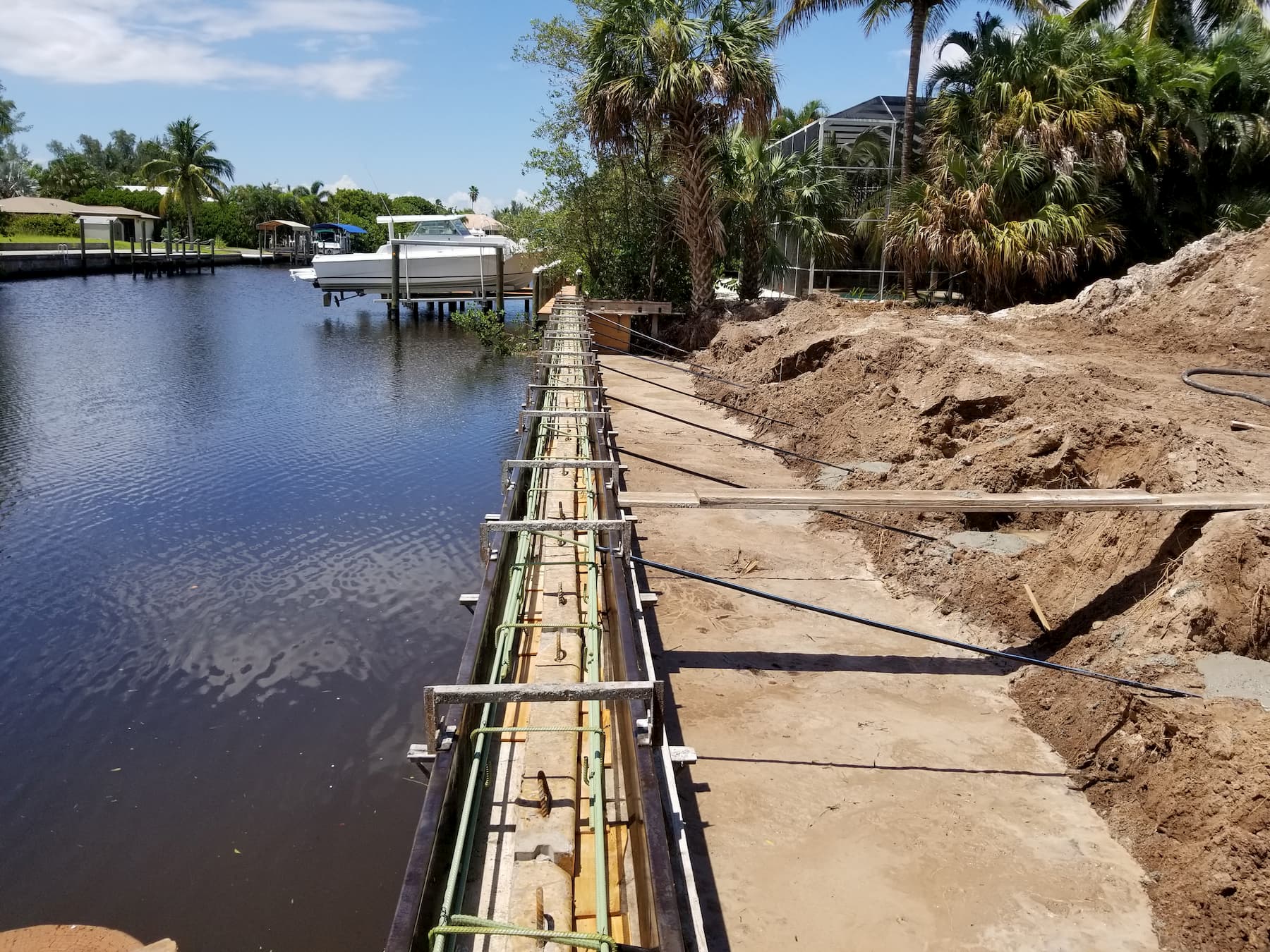
As a waterfront homeowner, it’s crucial to keep an eye on the condition of your seawall cap. One of the first signs of potential issues is the appearance of cracks. These can start small but may widen over time, allowing water to seep in and cause further damage. Look for uneven sections that may indicate settling or shifting, which can compromise the integrity of the seawall. Spalling concrete is another red flag, where the surface starts to flake or peel, exposing the underlying reinforcement.
Erosion behind the wall is another critical observation. If you notice soil washing away or a change in the landscape behind your seawall, it could signal that water is not draining properly. This can lead to increased pressure on the cap and eventually result in more severe damage. Additionally, check for any visible signs of separation from the wall itself, as this can indicate that the cap is no longer securely anchored.
Saltwater exposure can exacerbate these issues, especially in our coastal environment. Over time, the corrosive nature of saltwater can weaken concrete and cause further degradation. Regular inspections are essential to catch these signs early. If you see any of these indicators, it’s wise to consult with a marine construction contractor to assess the situation and plan for seawall cap repair, ensuring your investment remains protected.
Why Cap Problems Should Be Inspected
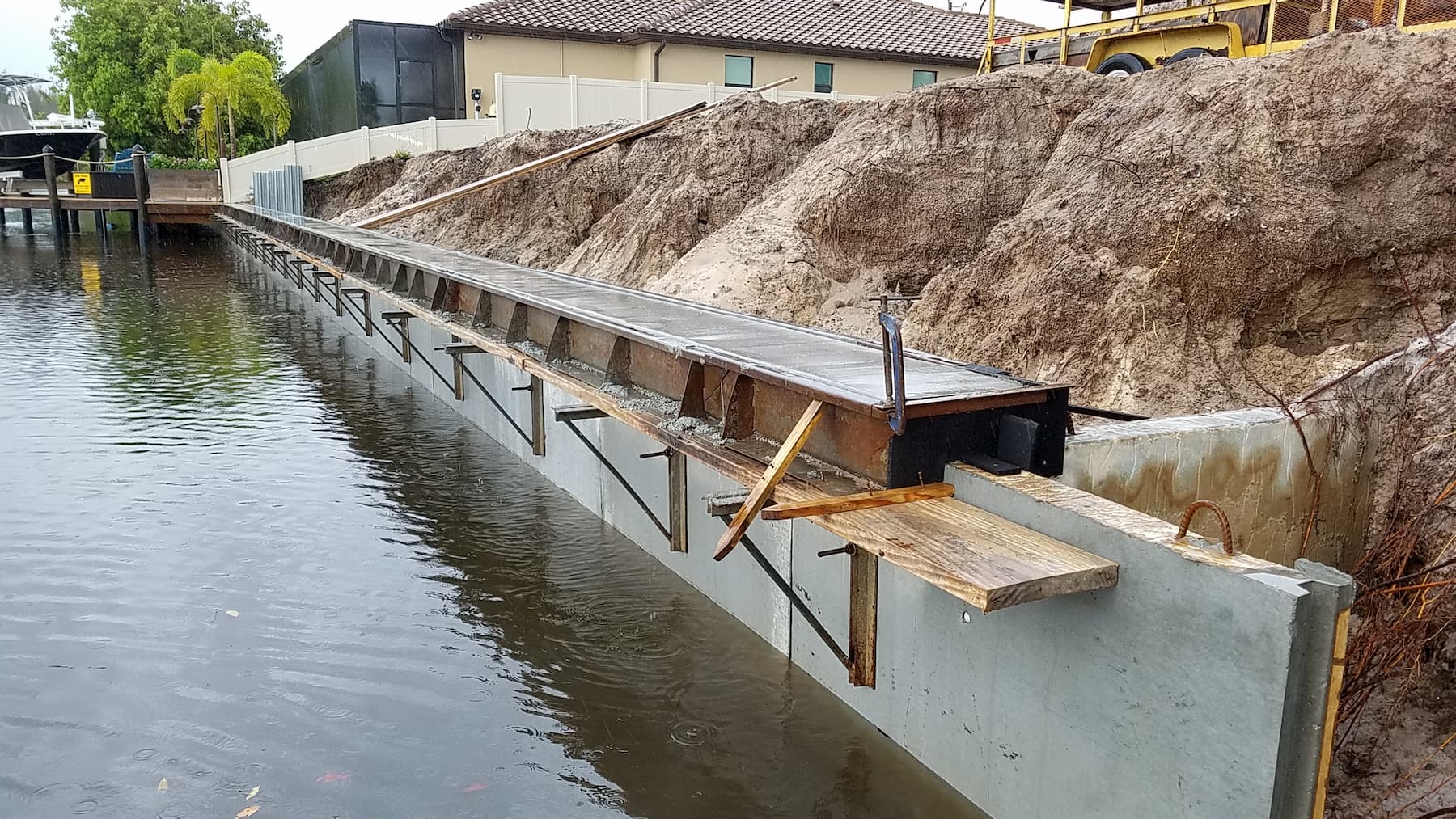
Timely inspections of your seawall cap are crucial to maintaining the integrity of your waterfront property. In Southwest Florida, where saltwater and storms can take a toll, observing signs of wear early can prevent more extensive damage down the line. Cracks or settling in the cap may seem minor, but they can lead to serious issues like erosion behind the wall or compromised drainage. Ignoring these signs can result in costly repairs and extended permitting delays, especially if the damage affects the overall seawall structure.
Regular inspections allow you to catch potential problems before they escalate. Marine-grade materials are designed to withstand harsh conditions, but even the best can deteriorate over time. Exposed reinforcement is a clear indicator that your seawall cap needs attention. If left unchecked, this can lead to significant structural failures, requiring more invasive repairs and potentially impacting nearby waterfront structures. A proactive approach can save you money and ensure your property remains safe and secure.
Additionally, understanding the local environment is key. Factors like storm exposure and low-water conditions can exacerbate existing issues. By scheduling routine inspections with a trusted contractor like Honc Docks & Lifts, you can develop a comprehensive repair plan that addresses not just the cap but the entire seawall system. This holistic approach ensures that all aspects of your seawall are functioning as they should, protecting your investment for years to come.
Request a Cap Repair Estimate
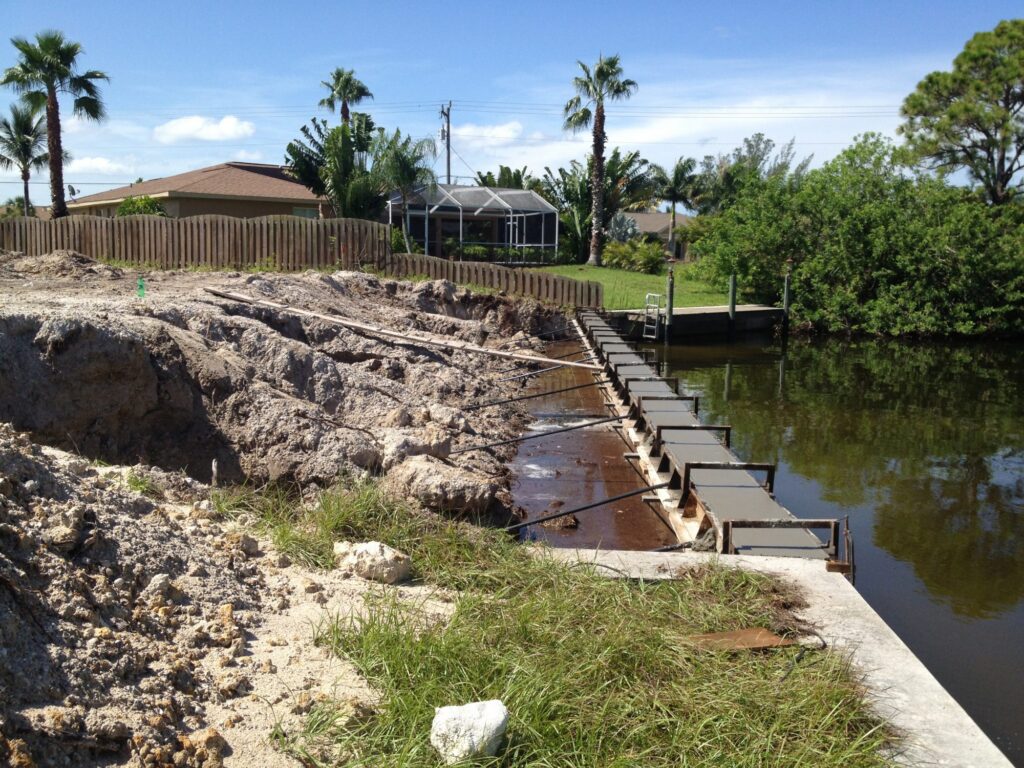
If you suspect your seawall cap may need attention, reaching out for a free estimate is a crucial first step. Our team at Honc Docks & Lifts understands the unique challenges waterfront homeowners face in Southwest Florida, from storm exposure to saltwater wear patterns. We can assess the condition of your seawall cap and provide a detailed estimate that outlines the necessary repairs, ensuring your property remains protected against further damage.
When you contact us, we’ll schedule a convenient time to inspect your seawall cap and the surrounding structure. This inspection is vital, as it allows us to identify any underlying issues such as drainage problems or erosion behind the wall that may not be immediately visible. Our experienced team will take the time to explain the findings and discuss repair options tailored to your specific situation.
Don’t wait until small issues escalate into costly repairs. By requesting a seawall cap repair estimate, you’re taking the proactive step needed to safeguard your investment. Whether it’s addressing cracks, settling, or deterioration, we’re here to help you navigate the repair process smoothly and efficiently.
Signs include cracks, uneven sections, spalling concrete, exposed reinforcement, separation from the wall, settling, or erosion behind the cap.
Yes. Cap damage can be related to movement, drainage problems, tieback stress, erosion, or aging materials.
Yes. Honc can review the cap, wall face, soil behind the wall, drainage, and nearby waterfront structures to help define the repair scope.