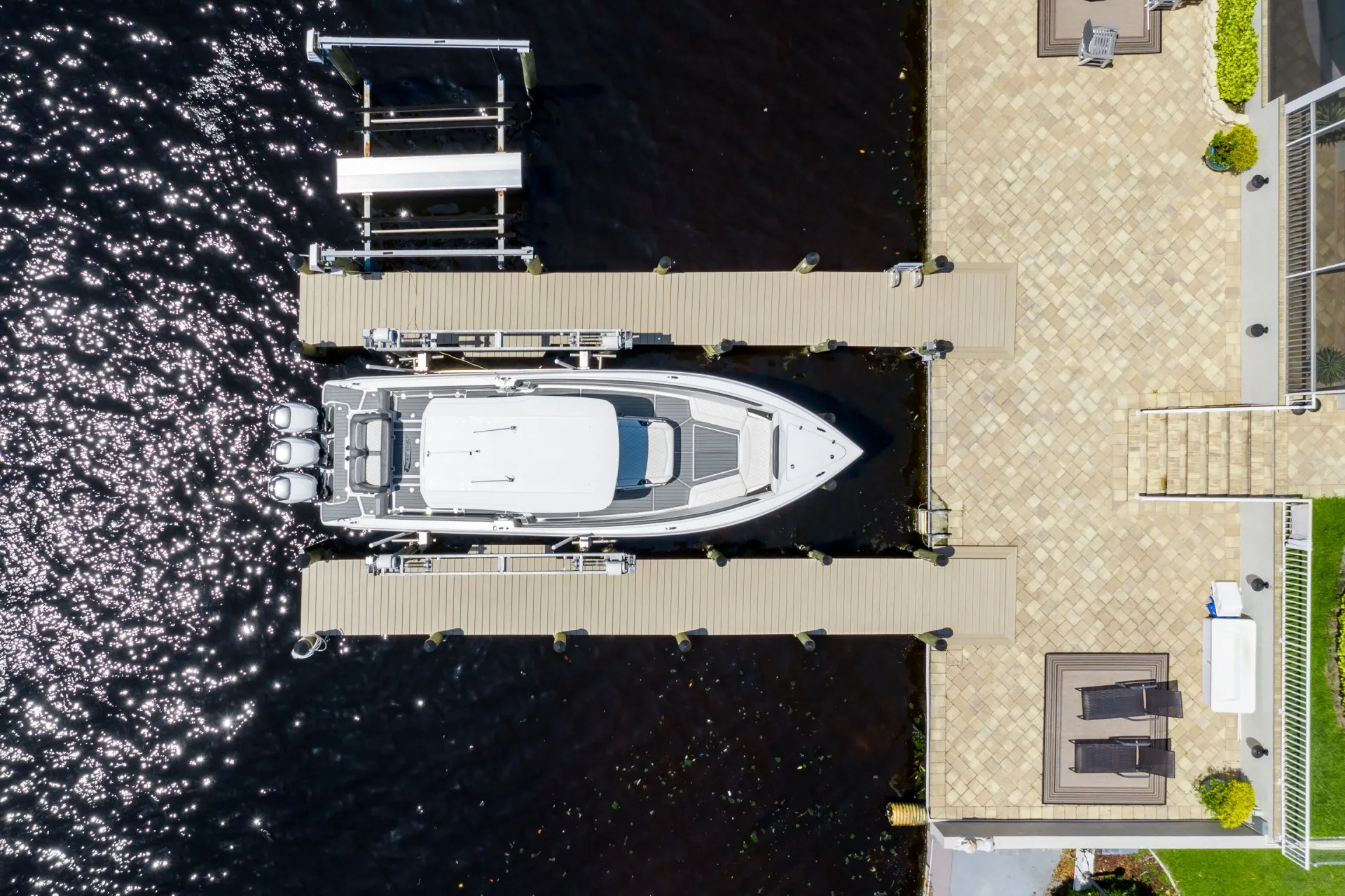
Understanding the Risks of Uneven Lifting
Using a boat lift that is lifting unevenly poses significant risks, especially in our unique Southwest Florida environment. Common issues such as cable stretch, improper winding, or misalignment of the cradle can lead to a lift that tilts or binds. This not only compromises the safety of your vessel but can also lead to costly repairs if left unaddressed. Given the saltwater conditions here, components can wear out faster, making regular inspections essential to catch these problems early.
If you notice your lift making unusual noises or leaning to one side, it’s critical to stop using it immediately. Continuing to operate a malfunctioning lift can exacerbate existing issues, potentially damaging your boat and the lift itself. Factors like storm damage, structural movement, or corrosion can significantly affect the integrity of your lift. To ensure your safety and protect your investment, I recommend scheduling an inspection with Honc Docks & Lifts. We specialize in identifying and resolving these issues, ensuring your boat lift operates smoothly and safely.
Don’t wait until a minor problem turns into a major headache—take action today.
Common Causes of Uneven Lifting
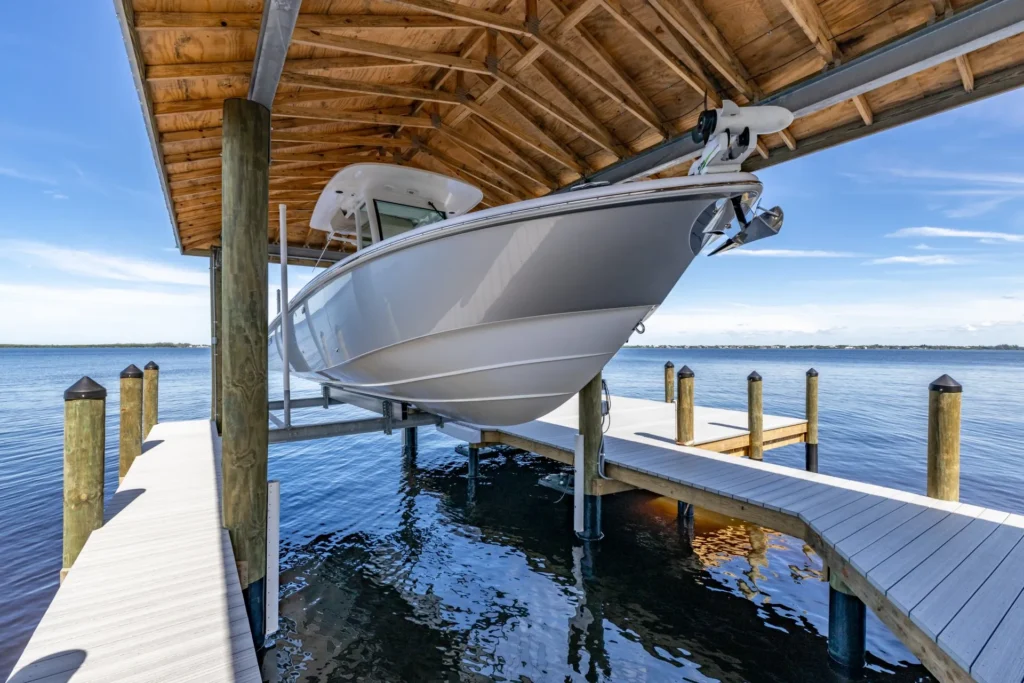
When your boat lift is lifting unevenly, several factors could be at play. One common issue is cable stretch, which can cause one side to rise higher than the other. If the cables are not wound evenly around the drum, it can lead to binding or tilting. Additionally, problems with the pulleys or sheaves can impede smooth operation, causing your lift to struggle on one side. It’s essential to inspect these components regularly, as wear and tear can happen quickly in our saltwater environment.
Another factor to consider is the alignment of the cradle or bunks. If they are misaligned, it can lead to uneven weight distribution, exacerbating the lifting issue. Structural movement, possibly due to shifting soil or settling, can also contribute to this problem. After storms, it’s crucial to check for any signs of damage or misalignment, as extreme weather can affect your lift’s stability. If your lift is making unusual noises or appears tilted, stop using it immediately and contact Honc Docks & Lifts for a thorough inspection and necessary repairs.
Signs Your Boat Lift Needs Immediate Attention
If your boat lift is lifting unevenly, it’s crucial to recognize the warning signs that indicate a need for professional inspection. A lift that tilts or binds can stem from various issues, including cable stretch or uneven wrapping. In Southwest Florida, where saltwater can corrode components, it’s essential to address these problems quickly to avoid further damage. Unusual noises during operation, such as grinding or popping, are also red flags that shouldn’t be ignored. Continuing to use a malfunctioning lift can lead to structural damage to both the lift and your boat.
Another common cause of uneven lifting is misalignment of the cradle or bunk. Over time, the weight distribution can shift, especially if your lift has been exposed to storm impacts or structural movement. If you notice that one side of your lift is significantly higher than the other, it’s time to consult a professional. At Honc Docks & Lifts, we specialize in boat lift inspections in Southwest Florida, ensuring that your equipment operates safely and efficiently. Don’t risk further complications; schedule an inspection today to keep your lift and boat in top condition.
The Importance of Professional Inspection
If your boat lift is lifting unevenly, it’s crucial to prioritize safety by scheduling a professional inspection with Honc Docks & Lifts. An uneven lift can signal serious underlying issues, such as cable stretch or misalignment of the cradle. Continuing to use a lift in this condition can lead to further damage to both the lift and your boat. In the humid, salty environment of Southwest Florida, wear and tear can escalate quickly, making timely inspections essential to maintain functionality and safety.
When you notice your boat lift leaning or making unusual noises, don’t hesitate to reach out for expert help. Problems like uneven cable wrapping or pulley issues can be more complex than they appear. Our team understands the local conditions that can affect your lift, from storm impacts to structural movement caused by shifting soil or water levels. We recommend a thorough inspection to identify the root cause of the issue, ensuring your boat lift operates smoothly and safely for years to come. Don’t risk further complications—contact us today for a comprehensive inspection.
Potential Damage from Continued Use
Using a boat lift that is lifting unevenly can lead to significant damage to both the lift and your boat. When one side of the lift is higher than the other, it creates an imbalance that can stress the hull of your vessel. This uneven pressure can lead to cracks or warping, especially if your boat is made from fiberglass or other sensitive materials. Additionally, the lift’s hardware, including cables and pulleys, may experience undue wear and tear, which can lead to costly repairs or even complete failure.
It’s crucial to recognize that ongoing use of a tilted lift can exacerbate existing issues. Factors such as cable stretch, misalignment of the cradle, or structural movement due to environmental conditions like storms can all contribute to uneven lifting. If you notice your lift making unusual noises or struggling to operate, it’s a clear sign that something is wrong. In Southwest Florida, where saltwater corrosion is a constant concern, these issues can escalate quickly. To prevent further damage, it’s best to stop using the lift immediately and schedule an inspection with a professional like Honc Docks & Lifts.
Next Steps for Homeowners
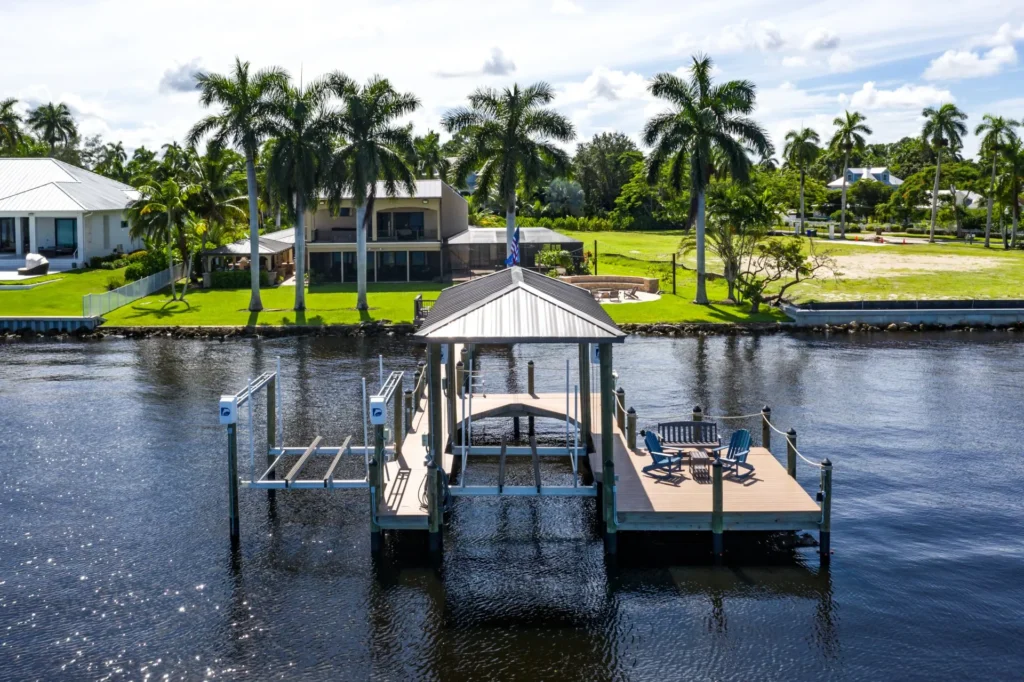
If your boat lift is lifting unevenly, it’s crucial to act quickly to avoid further damage. Ignoring the signs can lead to costly repairs or even jeopardize the safety of your boat. Start by assessing the situation: check for any unusual noises or visible tilting. If you notice any irregularities, stop using the lift immediately. Continuing to operate it in this condition can exacerbate existing issues, such as strain on cables or misalignment of the cradle, which can ultimately affect your boat’s integrity.
The best course of action is to contact Honc Docks & Lifts for a professional inspection. Our experienced team understands the unique challenges of marine construction in Southwest Florida, from storm impacts to saltwater wear patterns. We can identify the root cause of the uneven lifting, whether it’s due to cable stretch, pulley issues, or structural movement. Don’t risk your investment—schedule a thorough inspection today to ensure your boat lift operates safely and efficiently. For more information on what to look for, check our maintenance plan or signs your boat lift needs repair.
Frequently Asked Questions
If your boat lift is lifting unevenly, it’s crucial to understand the potential risks involved. Using a lift that shows signs of tilting or unusual noises can lead to further damage. This could mean trouble with the cables, pulleys, or even structural issues. It’s best to stop using the lift and schedule an inspection with a qualified contractor. Here in Southwest Florida, saltwater wear can exacerbate these problems, so addressing them promptly is essential to avoid costly repairs down the line.
Common causes for a boat lift lifting higher on one side include uneven winding of cables, stretched or damaged components, or misalignment of the cradle. Structural movement from storms or corrosion can also play a significant role. If you notice any of these signs, don’t hesitate to reach out for a professional evaluation. Ignoring these issues can lead to uneven stress on your boat’s hull and lift hardware, which can result in severe damage if left unchecked.
To ensure your boat lift operates safely and efficiently, consider setting up a regular maintenance plan. This proactive approach can help catch issues before they escalate. For those experiencing problems, immediate inspection is key. Whether it’s a simple cable replacement or a more complex structural issue, our team at Honc Docks & Lifts is ready to assist with expert inspections and repairs tailored to the unique conditions of Southwest Florida’s waterways.
No. Uneven lifting can indicate cable, pulley, cradle, or structural problems. Stop using the lift and schedule an inspection.
Common causes include uneven cable winding, stretched or damaged cables, pulley or sheave problems, cradle misalignment, or structural movement.
Yes. A tilted cradle can place uneven stress on the hull, bunks, lift hardware, and cables, especially if use continues.