
Uneven Lifting
When you notice that your boat lift is raising your vessel unevenly, it’s a clear sign that something is amiss. This issue can stem from a variety of underlying problems, such as misaligned cradles, worn cables, or even structural damage to the lift itself. In the humid, saltwater environment of Southwest Florida, these components can deteriorate faster than you might expect, leading to safety hazards that could put both your boat and your investment at risk.
Continuing to use a boat lift that exhibits uneven lifting can exacerbate existing issues, potentially leading to more costly repairs down the line. If you’re experiencing this symptom, it’s crucial to stop using the lift immediately. An inspection by a qualified marine contractor can help identify the root cause of the problem, whether it’s a simple cable adjustment or a more complex structural repair. Don’t wait until the situation worsens; addressing these warning signs early can save you time and money in the long run.
Slow Movement
If you’ve noticed that your boat lift is moving more slowly than usual, it’s a clear sign that something isn’t right. Slow movement can indicate a variety of underlying issues, such as worn-out cables, motor problems, or even misalignment. In the humid, saltwater environment of Southwest Florida, components can corrode or wear down faster than expected, leading to sluggish operation. It’s crucial to take these signs seriously, as continued use can exacerbate the problem and lead to more expensive repairs down the line.
When your boat lift struggles to lift or lower your vessel smoothly, it could also mean that the motor is under undue stress. This not only affects the lift’s performance but can also pose safety risks. If the lift hesitates or stutters, it’s best to refrain from using it until a professional can inspect it. An experienced contractor can assess the situation, identify the root cause, and recommend whether a simple repair or a more extensive fix is necessary. Don’t wait for the problem to escalate; addressing slow movement early can save you time and money in the long run.
Frayed or Rusted Cables

When you notice frayed or rusted cables on your boat lift, it’s crucial to act quickly. These cables are essential for safely hoisting and lowering your vessel, and any signs of wear can indicate a serious risk. In our humid Southwest Florida climate, saltwater exposure can accelerate rusting, making it even more vital to inspect these components regularly. If you see any fraying or rust, it’s a clear warning sign that your lift may not function properly, and using it could lead to catastrophic failure.
Ignoring these warning signs can lead to more than just inconvenience; it can result in costly repairs or even accidents. If your cables show visible signs of wear, stop using the lift immediately. Schedule an inspection with a qualified marine contractor who understands the unique challenges of our local waterways. They can assess the extent of the damage and recommend the best course of action, whether that’s a repair or a complete cable replacement. Keeping your boat lift in top shape not only ensures your safety but also prolongs the life of your investment.
Loud Noises
If your boat lift is making loud noises, it’s a clear warning sign that something isn’t right. You might hear grinding, clanking, or even a high-pitched squeal as the lift operates. These sounds often indicate worn or misaligned components, such as pulleys or gears, which can lead to more significant issues if not addressed promptly. Ignoring these noises could result in further damage, potentially putting your boat and lift at risk.
In Southwest Florida, where saltwater can accelerate wear and tear, it’s crucial to pay attention to any unusual sounds. A loud motor may signal that it’s struggling to function properly, while rattling noises could suggest loose hardware. If you notice these warning signs, it’s best to stop using the lift immediately. Call a professional for an inspection to determine the underlying cause and avoid costly repairs down the line. Regular maintenance can help catch these issues early, ensuring your boat lift remains in optimal condition for years to come.
Motor Humming
If you notice a humming sound coming from your boat lift’s motor, it’s a signal that something may not be right. This noise often indicates that the motor is struggling to operate properly, which could be due to a variety of issues such as electrical problems, worn bearings, or even a misalignment in the system. Ignoring this warning could lead to further damage, potentially resulting in a complete motor failure, which can be costly and time-consuming to repair.
In the humid, salt-laden air of Southwest Florida, motors are particularly susceptible to corrosion and wear. If you hear humming, it’s best to halt use of the lift immediately. Continuing to operate it under these conditions can exacerbate the problem, leading to more extensive repairs. Schedule an inspection with a qualified marine contractor who can assess the motor’s condition, check for any electrical issues, and ensure that all components are functioning as they should. Early intervention can save you from a more significant headache down the line.
Breaker Trips
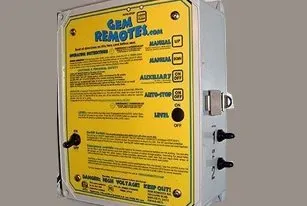
If your boat lift’s breaker trips frequently, it’s a clear warning sign that something’s not right. This issue often points to underlying electrical problems that could lead to more significant failures if left unchecked. In the humid, saltwater environment of Southwest Florida, corrosion can compromise electrical connections and components, leading to short circuits or overloads. When you notice the breaker tripping repeatedly, it’s crucial to stop using the lift immediately to prevent further damage or safety hazards.
Investigating the cause of frequent breaker trips should be your next step. Check for any visible signs of wear or corrosion on the lift’s electrical components, and ensure that all connections are secure. If you’re not comfortable troubleshooting electrical issues, it’s best to call in a professional. A qualified marine contractor can perform a thorough inspection, identify the root cause, and recommend the necessary repairs. Remember, addressing these electrical concerns promptly not only ensures your safety but also prolongs the lifespan of your boat lift.
Remote or Control Problems
When your boat lift starts showing signs of control issues, it can lead to significant operational problems. If the remote isn’t responding or the control panel seems unresponsive, this could indicate underlying electrical issues or a malfunctioning control system. It’s crucial to address these problems promptly, as they can prevent the lift from operating safely, putting your boat at risk of damage or even leading to accidents.
In Southwest Florida, where we face unique environmental challenges like saltwater corrosion and storm impacts, ensuring that your lift’s control systems are functioning properly is essential. If you’re experiencing erratic movements or inconsistent responses from the lift, it’s best to cease operation immediately. Schedule an inspection with a professional who understands the local conditions and can diagnose the issue effectively. Ignoring these warning signs can lead to more extensive repairs down the line, so don’t hesitate to reach out for a thorough evaluation.
Corroded Hardware
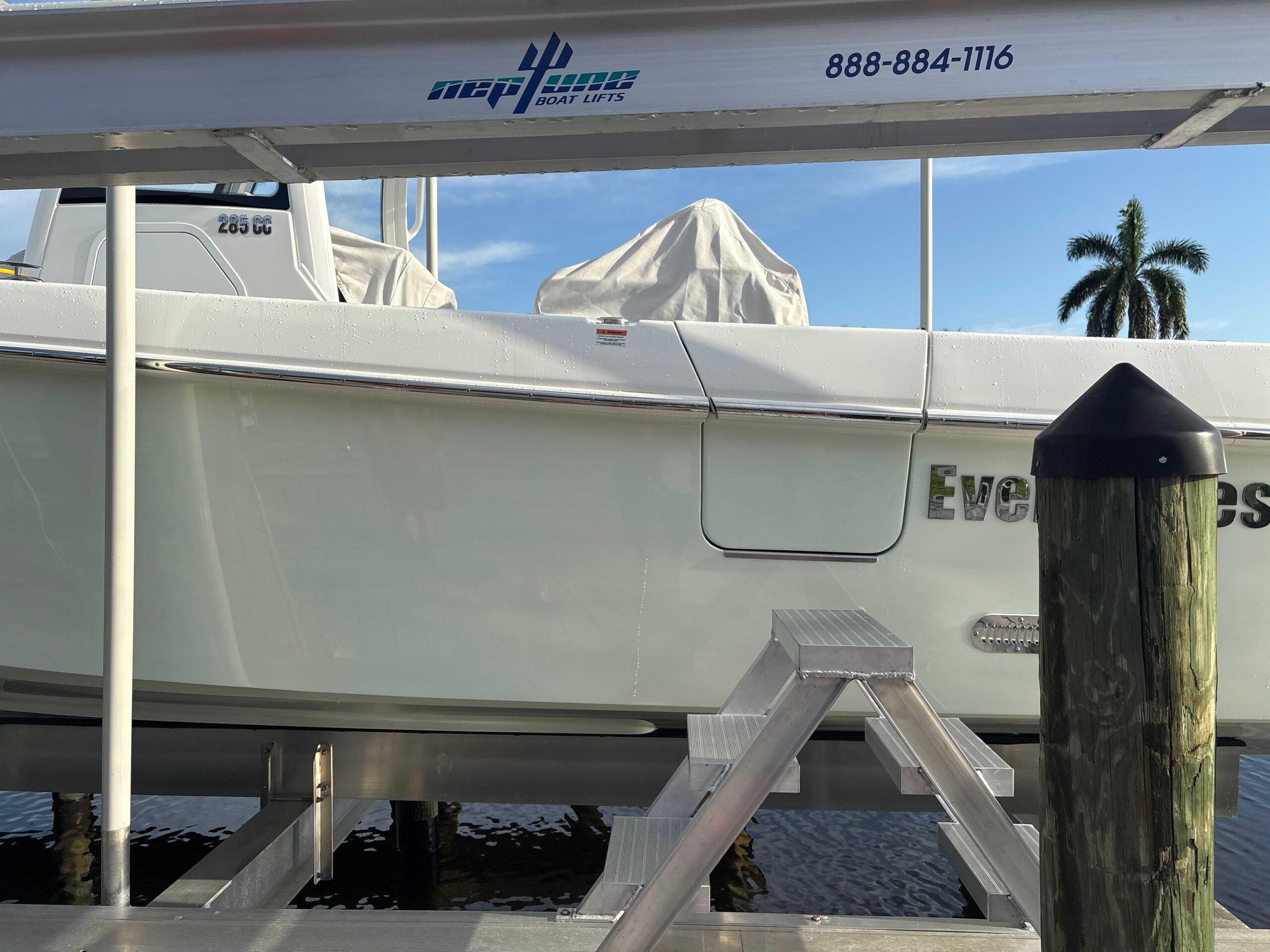
Corrosion is a silent enemy that can significantly compromise the integrity of your boat lift’s hardware. In the humid, salt-laden air of Southwest Florida, metal components are particularly vulnerable to rust and degradation. Regular inspections are essential to catch these issues early. If you notice any signs of corrosion, such as flaking paint or rust spots on bolts and brackets, it’s time to take action. Ignoring these warning signs can lead to hardware failure, which could result in costly repairs or even accidents.
To maintain the safety and functionality of your boat lift, make it a habit to check all metal components regularly. Look for any signs of wear or deterioration, especially after severe weather events that may have exposed your lift to saltwater or debris. If you find corroded parts, it’s crucial to consult a marine contractor experienced in boat lift repairs. They can assess the extent of the damage and recommend whether replacement or repair is necessary. Remember, prioritizing the integrity of your lift hardware is key to ensuring safe and reliable operation.
Worn Bunks
Worn bunks on your boat lift can significantly compromise the stability and safety of your vessel during lifting. These bunks are designed to provide a secure cradle for your boat, but over time, wear and tear can lead to uneven support. If you notice any fraying or degradation of the bunk material, it’s crucial to address it promptly. A boat that is not properly supported can shift during lifting, increasing the risk of damage to both the boat and the lift itself.
In Southwest Florida, where saltwater exposure is a constant factor, bunks can deteriorate faster than expected. Regular inspections are essential to catch these issues early. If your boat lift is showing signs of worn bunks, it’s wise to stop using it until a professional can assess the situation. Ignoring this problem could lead to costly repairs or even accidents. Schedule an inspection to evaluate the condition of your bunks and consider upgrading to marine-grade materials that withstand the local environment better. Taking these steps will help ensure your boat lift operates safely and effectively.
Cradle Alignment Issues
When it comes to boat lifts, proper cradle alignment is crucial for safe and effective operation. If you notice that your boat isn’t sitting evenly in the cradle, it could indicate that the lift is misaligned. This misalignment can lead to uneven weight distribution, which not only puts unnecessary strain on the lift’s components but can also cause damage over time. In Southwest Florida, where saltwater can corrode metal parts, addressing alignment issues promptly is essential to avoid more costly repairs down the line.
Ignoring cradle alignment problems can escalate into serious safety hazards. A misaligned cradle can lead to the boat tipping or even falling out of the lift, especially during rough weather or high winds. If you suspect that your lift is not functioning correctly, it’s best to stop using it immediately. Schedule an inspection with a qualified marine contractor who understands the unique challenges of our local waters, including the impact of storms and low-water conditions. They can assess the situation and recommend the necessary repairs to ensure your boat lift operates safely and efficiently.
Common signs include uneven lifting, unusual noise, visible cable wear, slow movement, motor trouble, remote/control problems, breaker trips, worn bunks, corrosion, and storm damage.
No. Uneven lifting can point to cable, alignment, motor, or structural issues and should be inspected before continued use.
Noise may come from dry, worn, misaligned, or corroded moving parts. Schedule an inspection before the issue damages cables, motors, or hardware.
Call when the lift behaves differently, shows visible wear, does not lift smoothly, trips power, or has been exposed to storm damage.