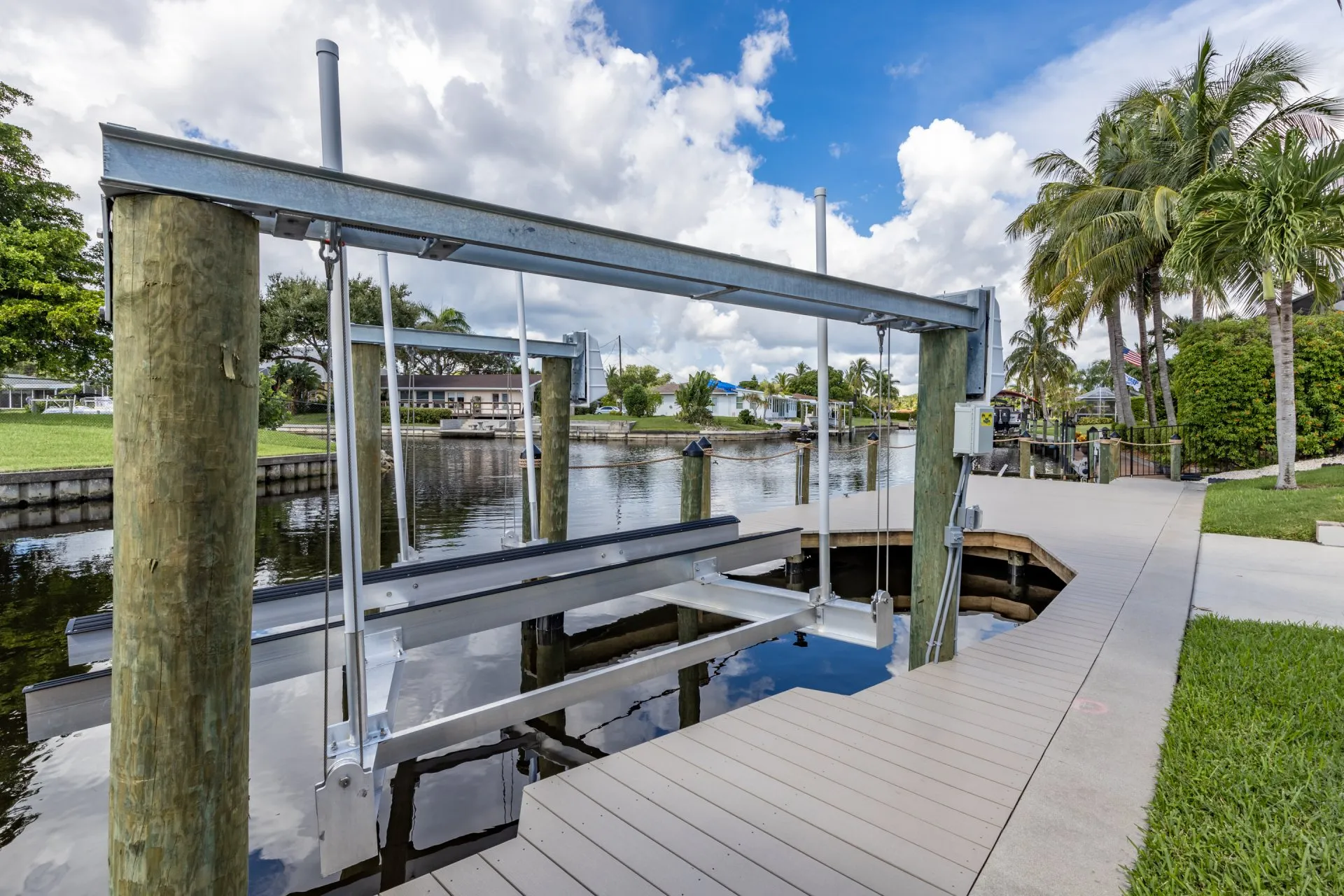
Understanding the Importance of Boat Lift Cable Maintenance
Maintaining your boat lift cables is crucial for ensuring the safety and functionality of your lift system. In the humid, salt-laden air of Southwest Florida, cables can quickly show signs of wear due to corrosion and fraying. If you notice any visible rust, broken strands, or uneven lifting when operating your lift, it’s time to schedule an inspection. Ignoring these signs can lead to serious safety risks, including the potential for your lift to fail while in operation, which could damage your boat or even cause injury.
Our technicians will evaluate the condition of your cables, checking for signs of stretching or slack that could affect the lift’s balance. A well-maintained cable system is essential for safe lifting and lowering of your boat, especially in the unpredictable weather conditions we often face here. With the unique challenges of low-water conditions and storm impacts in our area, ensuring your lift is in top condition is non-negotiable. Don’t take chances with your investment; reach out to us for a thorough cable inspection today.
For more information on keeping your lift in prime condition, visit our maintenance plan hub or check out our boat lifts page.
Signs Your Boat Lift Cable Needs Immediate Attention
As a boat owner in Southwest Florida, it’s crucial to keep a close eye on your lift cables. Look for visible fraying or rust, which can indicate that the cable is nearing the end of its lifespan. If you notice broken strands or uneven lifting when raising or lowering your boat, these are clear signs that your cable needs immediate inspection. Saltwater corrosion can significantly impact the integrity of marine-grade materials, making regular checks essential, especially after storms or during low-water conditions.
Another red flag is slack in the cable or unusual movements during operation. If your lift feels unbalanced or struggles to lift your boat properly, it’s time to stop using it and call in a professional. Continuing to operate a questionable lift can lead to further damage or even accidents. Our technicians are trained to evaluate the condition of your cables, ensuring they meet safety standards and function correctly. Don’t wait until it’s too late; schedule a cable inspection today to keep your boat lift safe and operational. For more information on maintenance plans, visit our [maintenance plan](https://honcdocks.
com/maintenance-plan/) page, or check out our [boat lifts](https://honcdocks. com/boat-lifts/) for additional services.
The Risks of Operating with Worn or Damaged Cables
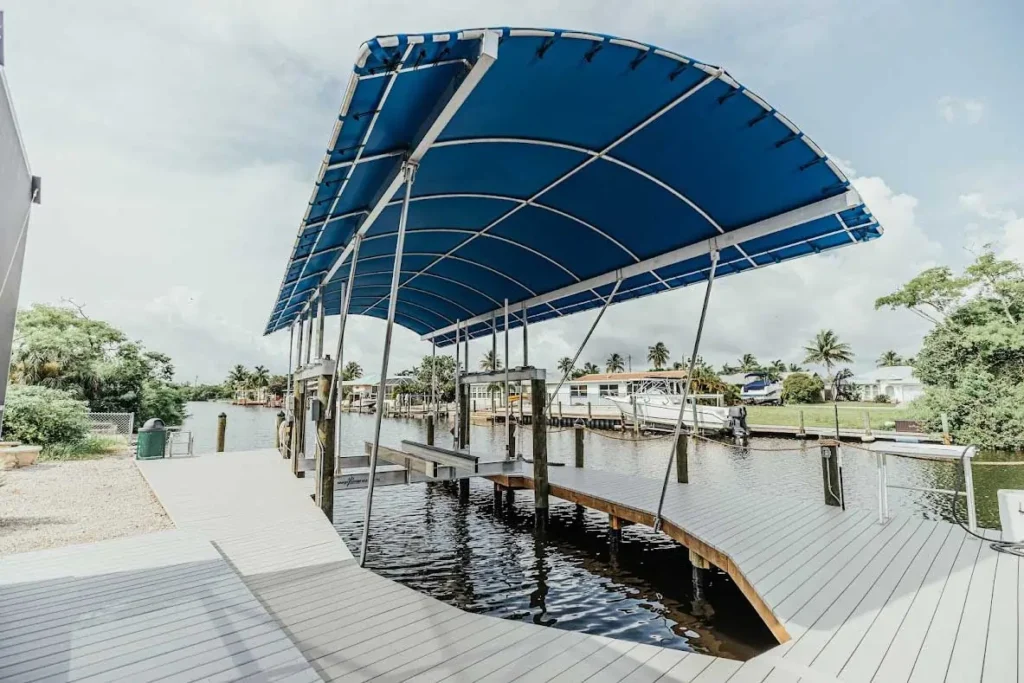
Operating a boat lift with worn or damaged cables is a recipe for disaster, especially in the saltwater environment of Southwest Florida. Cables that show signs of fraying, rust, or broken strands can lead to uneven lifting, putting both your vessel and those nearby at risk. If you notice slack in the cable or unusual movements during operation, it’s time to call in a technician for an inspection. Ignoring these signs can result in costly repairs or even accidents that could have been easily avoided.
In our region, the harsh marine conditions accelerate cable deterioration. Saltwater corrosion is a significant factor, and it can compromise the integrity of your lift. Technicians will evaluate not just the cables but also the overall balance of the lift system to ensure safe operation. If you’re operating a questionable lift, you’re not just risking your boat; you’re also risking the safety of your family and others in the area. Don’t wait until it’s too late—schedule a cable inspection today to avoid potential hazards and ensure your boat lift is functioning as it should.
For more information on maintenance, check out our [maintenance plan](https://honcdocks. com/maintenance-plan/) or explore our [boat lifts](https://honcdocks. com/boat-lifts/) page.
How Cable Replacement Affects Lift Balance and Boat Safety
When it comes to maintaining your boat lift, the condition of your cables is crucial for both lift balance and safety. In the harsh saltwater environment of Southwest Florida, cables can quickly show signs of wear due to corrosion and fraying. If you notice any visible damage, such as rust or broken strands, it’s essential to schedule an inspection immediately. Continuing to operate a lift with questionable cables can lead to uneven lifting, putting your boat at risk of damage or even causing accidents.
Our technicians will evaluate the cables for signs of stretching or slack, which can affect the lift’s performance. They will also check for any unusual movement during operation, as this can indicate underlying issues that need addressing. A properly functioning lift not only protects your investment but also ensures the safety of everyone around. If your cables are showing signs of wear, don’t wait—contact us to schedule a cable inspection. For more information on maintenance plans or to explore our boat lifts, visit our maintenance plan hub or our boat lifts page.
Evaluating Cable Condition: What Our Technicians Look For
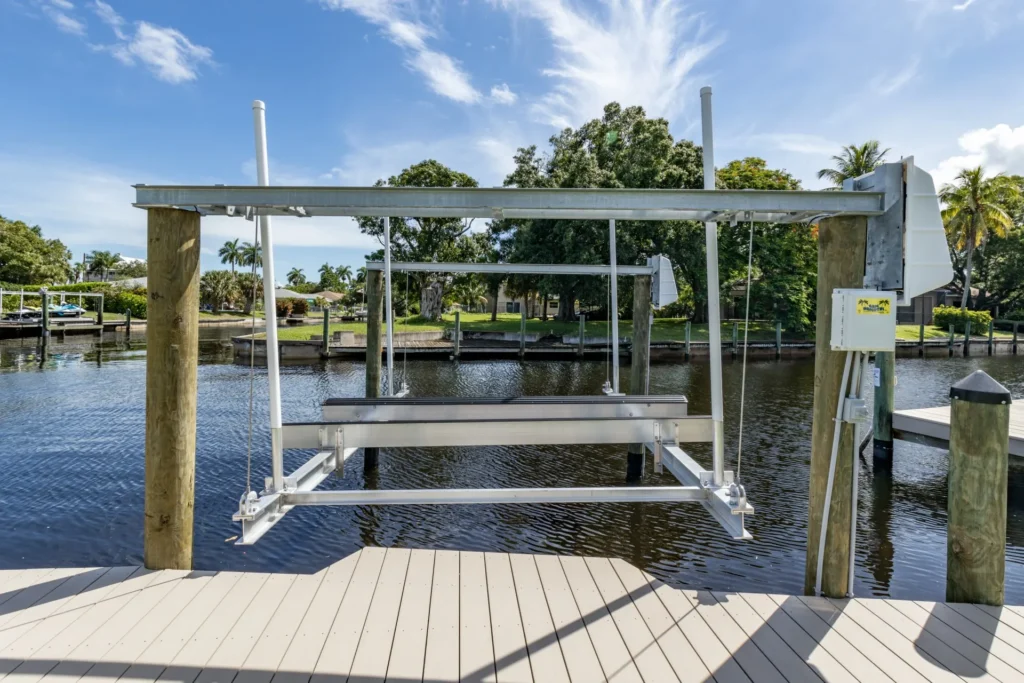
When it comes to ensuring the safety and functionality of your boat lift, the condition of the cables is paramount. Our technicians are trained to spot signs of wear and tear that could compromise your lift’s operation. We look for visible fraying, rust, and broken strands, which are all indicators that the cable is nearing the end of its service life. Uneven lifting or slack in the cable can signal a problem that needs immediate attention. In the salty waters of Southwest Florida, corrosion can set in quickly, so regular inspections are crucial to maintaining your lift’s integrity.
During our evaluations, we assess not only the cables but also how they interact with the lift system as a whole. A balanced lift is essential for safe operation, and worn cables can lead to uneven weight distribution, putting both your boat and the lift at risk. If you notice any unusual movement or hear strange noises while operating your lift, it’s best to stop using it immediately and schedule a cable inspection. Don’t wait until it’s too late—protect your investment and ensure safe boating by contacting us today for a thorough inspection.
For more information on maintaining your lift, check out our maintenance plan or visit our boat lifts page.
Saltwater Corrosion: A Local Challenge for Boat Lift Cables
Living in Southwest Florida means enjoying the beautiful waters, but it also comes with the challenge of saltwater corrosion, especially for boat lift cables. Over time, the harsh marine environment can lead to wear and tear that may not be immediately visible. Signs like fraying, rust, and uneven lifting are critical indicators that your cables need a thorough inspection. If you notice slack or unusual movement, it’s essential to stop using the lift and consult a professional.
Continuing to operate a questionable lift can pose serious safety risks, not just to your boat but also to your property and those around you.
Our technicians are trained to evaluate the condition of your cables and assess their impact on the overall balance of your lift. We understand the local conditions, such as permitting delays and low-water levels, which can complicate maintenance. By replacing worn cables with marine-grade materials, we ensure that your lift operates smoothly and safely, preserving the integrity of your boat and the functionality of your dock. Don’t wait for a storm to expose weaknesses; schedule a cable inspection today. For more information on maintaining your lift, visit our maintenance plan hub or explore our boat lifts page.
The Process of Boat Lift Cable Replacement
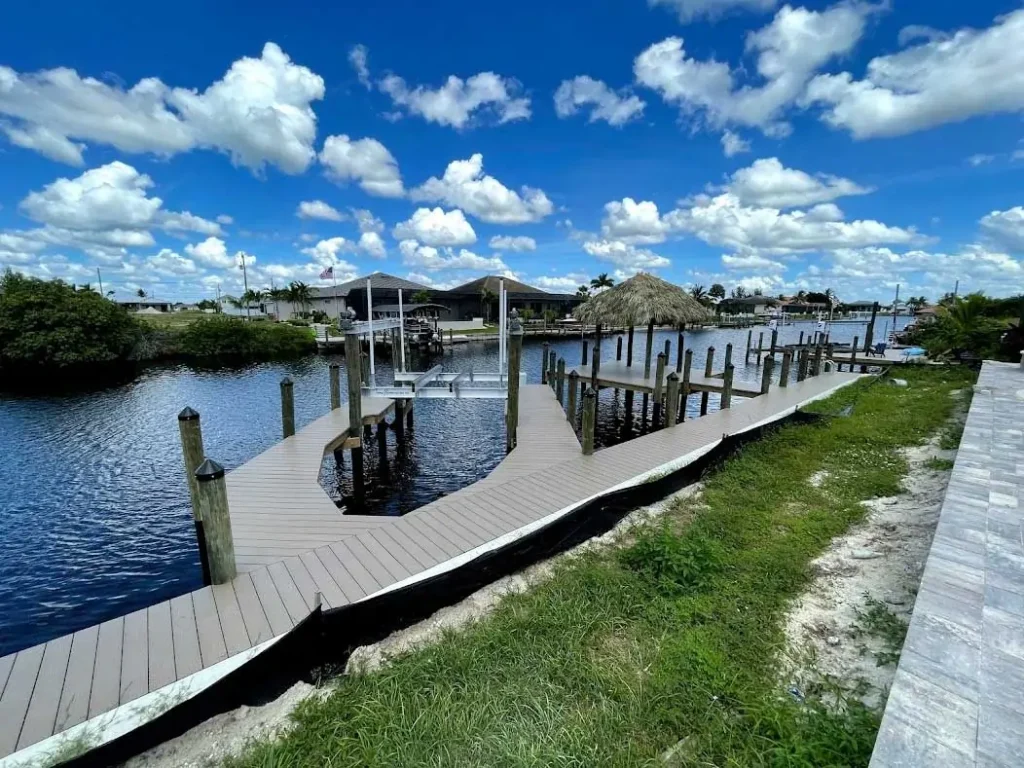
When it comes to maintaining your boat lift, one of the most critical components to monitor is the cable. Over time, exposure to Southwest Florida’s saltwater environment can lead to corrosion, fraying, and stretching, which can compromise the lift’s functionality and safety. If you notice any signs of wear, such as visible rust, uneven lifting, or slack in the cable, it’s essential to schedule an inspection immediately. Continuing to operate a lift with questionable cables can pose serious risks to both your boat and your property.
Our technicians conduct a thorough evaluation during the inspection process. They check for broken strands and assess the overall integrity of the cable, ensuring it meets safety standards. A well-maintained cable is crucial for the lift’s balance and the safe operation of your boat. If replacement is necessary, we use marine-grade materials designed to withstand the harsh conditions of our local waters. Don’t wait until a minor issue becomes a major problem; reach out to us for a cable inspection today. For more information on our maintenance plans, visit our [maintenance plan hub](https://honcdocks.com/maintenance-plan/) or learn more about our [boat lifts](https://honcdocks.com/boat-lifts/).
Schedule Your Cable Inspection Today
In the humid and salty environment of Southwest Florida, boat lift cables endure significant wear and tear. If you notice visible fraying, rust, or broken strands on your cables, it’s time to take action. Uneven lifting or slack cable can indicate deeper issues that not only affect the performance of your lift but also pose safety risks for your boat. Continuing to operate a questionable lift can lead to costly damages or accidents, especially with the unpredictable weather and water conditions we face here.
Our experienced technicians will conduct a thorough inspection, evaluating the condition of your cables and the overall balance of your lift system. Properly functioning cables are crucial for safe operation, ensuring that your boat is lifted evenly and securely. With the unique challenges of saltwater corrosion in our area, regular inspections and timely replacements are essential to maintaining your lift’s integrity. Don’t wait until it’s too late; schedule your cable inspection today. For more information on maintenance plans, visit our [maintenance plan hub](https://honcdocks.com/maintenance-plan/) or check out our [boat lifts page](https://honcdocks.com/boat-lifts/).
Frequently Asked Questions About Boat Lift Cables
When it comes to the safety of your boat lift, understanding the condition of your cables is crucial. Visible fraying, rust, broken strands, uneven lifting, slack cable, or unusual movement are signs the cable should be inspected before continued use. In the harsh saltwater environment of Southwest Florida, these cables can deteriorate faster than you might expect, especially if they’re not made from marine-grade materials. Regular inspections can help catch these issues early, ensuring your lift operates smoothly and safely.
Using a lift with a damaged cable is not advisable. A compromised cable can create significant safety risks, not just for your boat but for anyone nearby. If you notice any signs of wear or damage, it’s best to stop using the lift and consult with a professional. Our technicians are trained to evaluate the entire system, ensuring that everything from the cable to the lift balance is in optimal condition. Don’t wait for a failure to occur; schedule a cable inspection today to protect your investment and ensure safe operation.
For more information on maintenance, check out our [maintenance plan](https://honcdocks. com/maintenance-plan/) or visit our [boat lifts](https://honcdocks. com/boat-lifts/) page.
Visible fraying, rust, broken strands, uneven lifting, slack cable, or unusual movement are signs the cable should be inspected before continued use.
No. A damaged or questionable cable can create a safety risk and should be reviewed before the lift is used again.
Boat Lift Cable Replacement in Southwest Florida should be planned around the condition of the waterfront, the exposure to saltwater and storms, and the long-term performance of the materials being used. A careful review of the site helps determine whether the project needs repair, replacement, permitting support, or a more durable construction approach.
Understanding the Importance of Boat Lift Cable Maintenance can influence the materials, access requirements, scheduling, and level of structural work involved. For waterfront properties, the right scope depends on how the dock, lift, seawall, or shoreline system is currently performing and what needs to be protected over time.
Local experience matters because Southwest Florida waterfront projects face saltwater corrosion, permitting requirements, storm exposure, tidal conditions, and site-specific access constraints. A contractor familiar with these conditions can recommend details that hold up better and reduce avoidable delays.
Understanding the Importance of Boat Lift Cable Maintenance helps protect the investment after construction or repair work is finished. Regular inspections, timely service, and attention to fasteners, decking, pilings, lifts, and seawalls can prevent small issues from becoming expensive structural problems.
Owners should compare options based on structural durability, marine-grade materials, permitting knowledge, communication, and the contractor’s experience with similar waterfront properties. The lowest upfront option is not always the best long-term value in a harsh coastal environment.