Seawall Permits in Cape Coral and Lee County
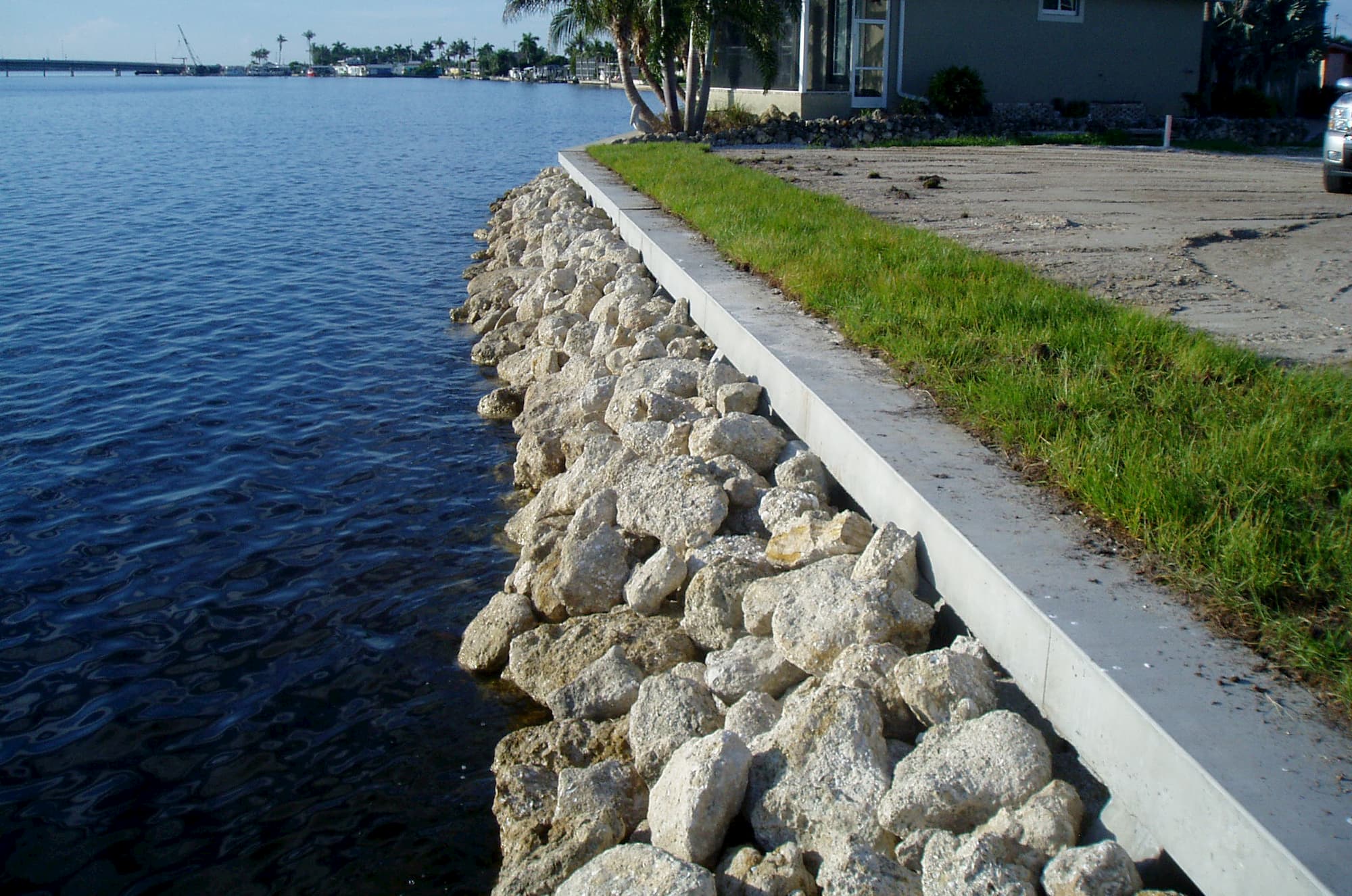
When planning any seawall project in Cape Coral or Lee County, understanding the local permit requirements is essential. The permitting process can vary based on the specific location and scope of your project, whether it’s a repair, replacement, or new construction. Homeowners should be aware that local agencies will review plans to ensure compliance with environmental regulations and shoreline management practices. This is particularly important in areas prone to storm damage or erosion, where proper seawall installation can mitigate further issues.
Obtaining the necessary permits often involves submitting detailed plans that outline the proposed work and how it will impact the surrounding environment. Factors such as canal access, water levels, and existing structures play a significant role in the review process. It’s crucial to work with experienced contractors who understand these local regulations and can guide you through the paperwork and inspections required. Delays can occur, especially during peak construction seasons, so starting the permit process early is advisable.
Additionally, homeowners should consider the long-term implications of their seawall projects. Using marine-grade materials and adhering to best practices for installation can prevent future issues related to saltwater wear and storm impacts. Engaging with a local contractor like Honc Docks & Lifts can provide valuable insights into the specific requirements for seawall permits in Cape Coral and help streamline your project from planning to completion.
Why Permits Matter for Waterfront Work
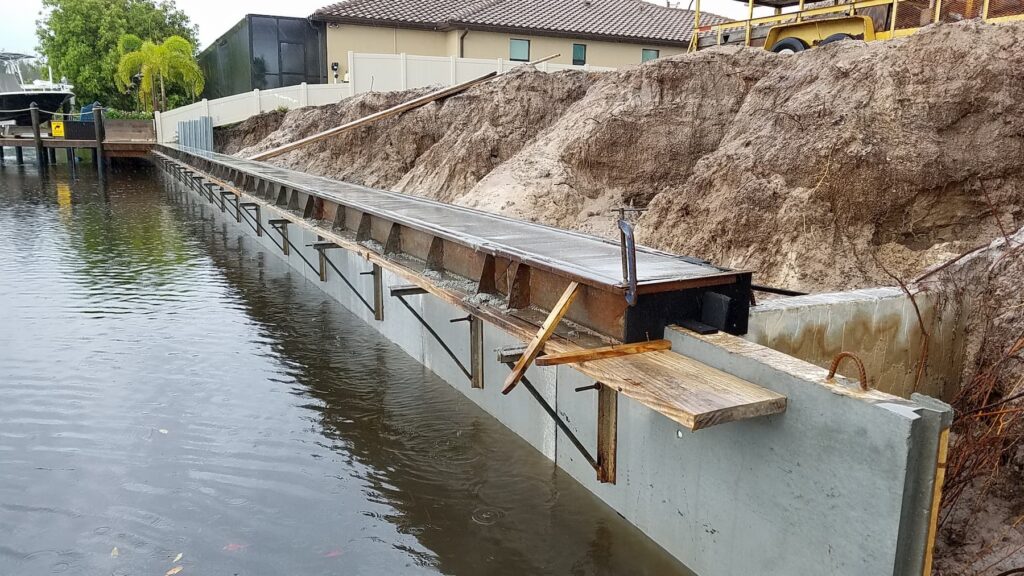
When it comes to seawall projects in Cape Coral, obtaining the necessary permits is crucial. These permits ensure that your construction complies with local regulations, which are designed to protect both your property and the surrounding environment. Working without the proper permits can lead to costly fines and may even require you to dismantle any work done. This can be particularly frustrating when you’re trying to enhance your waterfront property.
Additionally, permits help guarantee that your seawall is built to withstand the unique challenges of our Southwest Florida environment. From storm surges to saltwater corrosion, a well-constructed seawall can protect your property from erosion and damage. Local authorities often require inspections during the construction process to ensure compliance with safety standards, which ultimately safeguards your investment.
In Cape Coral, the permitting process can vary based on factors like property location, existing conditions, and the scope of your project. Engaging with a knowledgeable contractor like Honc Docks & Lifts can streamline this process, helping you navigate the complexities of local regulations and ensuring that your seawall project meets all necessary requirements. By prioritizing permits, you’re not just following the law; you’re also investing in the long-term stability and safety of your waterfront home.
What Can Affect Seawall Project Review
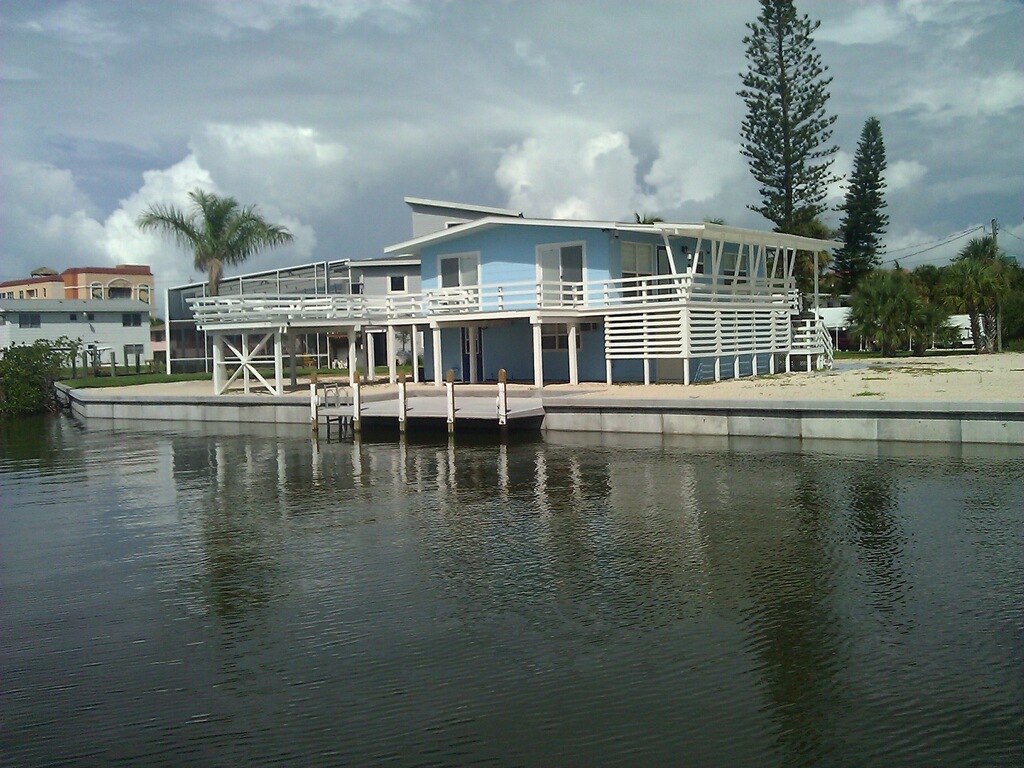
When considering a seawall project in Cape Coral, several factors will influence the review process for obtaining necessary permits. First, the condition of your property plays a crucial role. Local agencies will assess the existing shoreline and any structures nearby, ensuring that the proposed seawall aligns with the overall environmental health of the area. Properties with significant storm damage or erosion may face additional scrutiny, as the review will focus on preventing further deterioration and ensuring stability.
Environmental considerations are also paramount in the permitting process. The local ecosystem, including marine life and water quality, must be taken into account. Agencies may require studies or assessments to ensure that the seawall construction won’t adversely affect the surrounding habitat. This is especially important in areas with sensitive ecosystems, where regulations may be stricter to protect local wildlife.
Lastly, local agency requirements can vary significantly, impacting the timeline and complexity of your project. Each agency may have different documentation and inspection protocols, which can lead to delays if not properly addressed. Engaging a knowledgeable contractor like Honc Docks & Lifts can help navigate these requirements efficiently, ensuring that all necessary plans and inspections are in place before work begins.
Talk With Honc About Seawall Planning
When it comes to planning your seawall project, consulting with Honc Docks & Lifts can make all the difference. Our team understands the unique challenges faced by waterfront homeowners in Cape Coral and Lee County. From navigating local regulations to assessing site conditions, we provide tailored advice that aligns with your specific needs. Whether you’re considering repair, replacement, or new construction, our expertise ensures you’re well-informed about the necessary steps.
We take the time to review your property and discuss the practical next steps for your seawall project. This includes understanding the local permitting process, which can be complex and varies based on your property’s location and condition. Our goal is to simplify this process for you, ensuring you have all the information needed for effective project coordination, including what documentation may be required.
Additionally, we can help you prepare for inspections and coordinate with contractors to ensure everything runs smoothly. With years of experience in marine construction, we know the ins and outs of seawall projects in our area. Don’t hesitate to reach out to Honc Docks & Lifts to discuss your seawall planning and how we can assist you in moving forward confidently.
Many seawall repair, replacement, and construction projects may require local review or permits. Requirements depend on the property, scope, location, and governing agencies.
Yes. Honc can review the site and discuss practical next steps for planning seawall work, including what information may be needed for project coordination.
No. Property owners should understand applicable local requirements before starting regulated waterfront work.