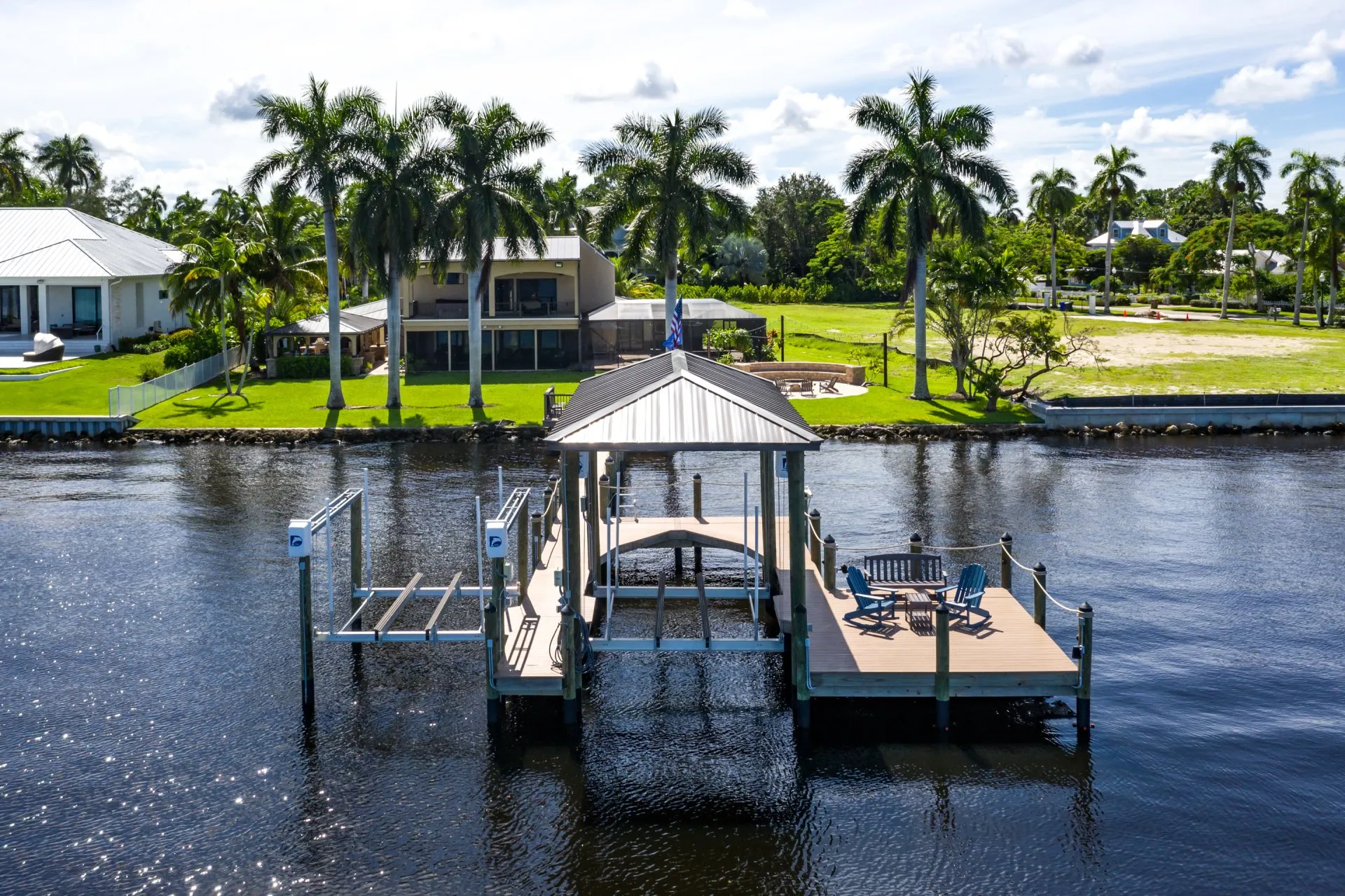
Introduction to Boat Lift Maintenance
Maintaining your boat lift is crucial, especially in the challenging saltwater environments of Southwest Florida. Regular checks can prevent costly repairs and ensure your lift operates safely and efficiently. Start by inspecting the cables for fraying or corrosion, as saltwater can accelerate wear. Ensure the bunks are in good condition and properly aligned to support your boat’s weight without causing damage. Pay close attention to the cradle alignment, as misalignment can lead to operational issues.
Next, examine the pulleys and sheaves for signs of wear. These components are vital for smooth operation, and any corrosion can compromise their integrity. Don’t forget to lubricate moving parts regularly, as this will help prevent rust and ensure everything runs smoothly. The motor and controls should also be inspected for functionality, along with the breakers that protect your system. Finally, assess the dock and lift interface, ensuring they are secure and ready for any storms that may come our way. If you notice any significant issues, it’s wise to consult a professional for a thorough inspection and maintenance plan.
Visible Checks for Homeowners
As a homeowner in Southwest Florida, keeping an eye on your boat lift’s visible components is crucial for ensuring its longevity and performance. Start by inspecting the cables for any signs of fraying or corrosion, especially since saltwater can accelerate wear. Check the bunks for any wear or damage, as they support your boat and need to be in good condition. Ensure the cradle is properly aligned; misalignment can lead to uneven wear and potential failures.
Next, take a look at the pulleys and sheaves. These parts should move freely without any obstruction. Lubrication is key here; a little maintenance can go a long way in preventing rust and ensuring smooth operation. Don’t forget to check the motor and controls for any irregularities. Look for loose connections or signs of corrosion, particularly around electrical components. Finally, assess the dock and lift interface, ensuring everything is secure and storm-ready. If you notice anything out of the ordinary, it might be time to consult a professional for a thorough inspection.
Cables and Hardware Inspection
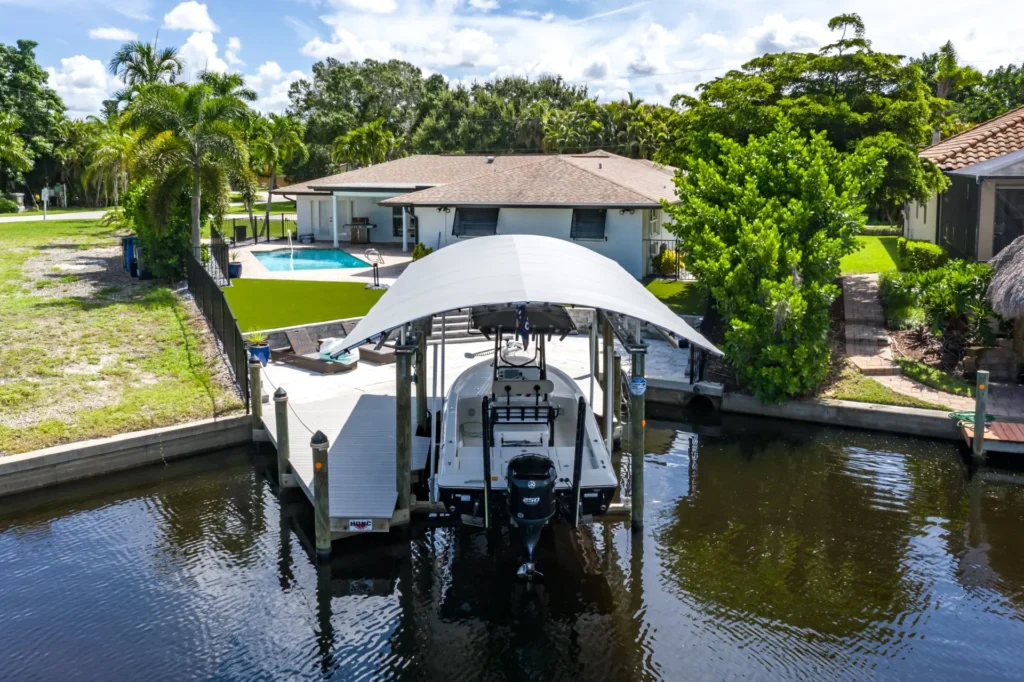
When it comes to maintaining your boat lift, a thorough inspection of cables and hardware is crucial. Saltwater environments can wreak havoc on these components, leading to corrosion that compromises the integrity of your lift. Regularly check for fraying or rust on cables, as even minor wear can lead to failure when you least expect it. Make sure to examine the hardware, including bolts and connectors, for signs of degradation. If you notice any issues, it’s best to consult with a professional who understands the specific challenges of marine construction in Southwest Florida.
Beyond visual inspections, consider the alignment of your lift’s cradle and bunks. Misalignment can place undue stress on cables and hardware, increasing the risk of failure. Pulleys and sheaves should also be inspected for smooth operation; any signs of wear could indicate a need for replacement. Remember, maintenance isn’t just about preventing immediate issues; it’s about ensuring the longevity and reliability of your boat lift. For a comprehensive evaluation, reach out to our team at HONC Docks & Lifts, and we can help you set up a maintenance plan tailored to your needs.
Bunks and Cradle Alignment
When it comes to ensuring your boat is stored safely, checking the alignment of bunks and cradles is crucial. Begin by visually inspecting the bunks for any signs of wear or misalignment. They should be parallel and evenly spaced to provide proper support. If you notice any discrepancies, it might be time to adjust them to ensure the boat sits evenly. This not only protects your vessel from unnecessary stress but also prevents potential damage during storms, a common concern here in Southwest Florida.
Additionally, the cradle should be level and stable. A misaligned cradle can lead to uneven weight distribution, which might cause your boat to shift or even fall. Use a level to check the cradle’s alignment and make adjustments as needed. Remember, maintaining proper alignment is not just about aesthetics; it’s a critical safety measure that can save you from costly repairs down the line. If you’re unsure about the adjustments, consider reaching out to a professional who specializes in boat lift maintenance. For thorough inspections, check out our maintenance plan at HONC Docks & Lifts.
Pulleys and Sheaves Maintenance
Pulleys and sheaves play a crucial role in the smooth operation of your boat lift. These components help guide and support the lift cables, ensuring that your boat is raised and lowered efficiently. Over time, saltwater exposure can lead to wear and tear, making regular inspection essential. Check for any signs of corrosion or damage, as these can compromise the integrity of your lift. If you notice any fraying or misalignment, it’s best to consult a professional who understands the specific challenges of marine environments here in Southwest Florida.
Proper lubrication is another key aspect of maintaining pulleys and sheaves. Use marine-grade lubricants to protect against saltwater corrosion and ensure smooth operation. A well-lubricated system reduces friction and prolongs the life of these components. Additionally, inspect the alignment of the pulleys and sheaves regularly. Misalignment can cause uneven wear on cables, leading to premature failure. Remember, while homeowners can perform visible checks, it’s wise to have a qualified technician conduct a thorough inspection to catch any underlying issues. For peace of mind, consider enrolling in a maintenance plan to keep your boat lift in top shape all year round.
Lubrication and Motor Checks
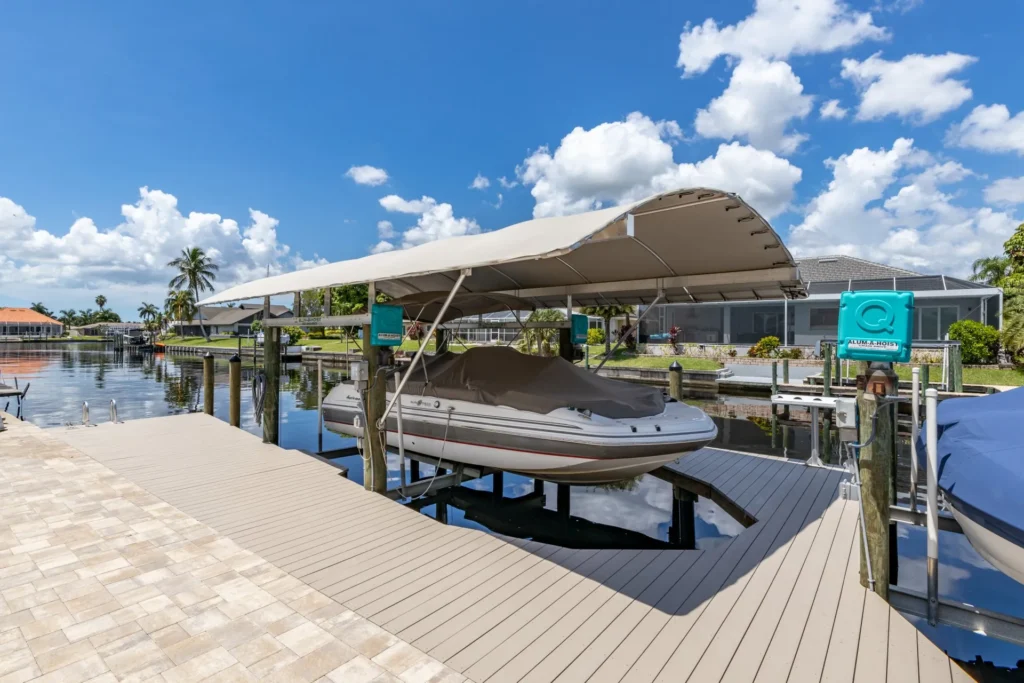
Regular lubrication and motor checks are essential to ensure your boat lift operates smoothly and efficiently. In the humid, saltwater environment of Southwest Florida, components can corrode quickly if not properly maintained. Inspect all moving parts, including the motor and drive system, for signs of wear or rust. Apply marine-grade lubricants to gears and bearings to minimize friction and prevent breakdowns. Don’t forget to check the electrical connections as well; corrosion can lead to failures that leave your boat lift inoperable when you need it most.
Additionally, the motor’s functionality should be tested regularly. Listen for unusual noises that could indicate a problem, and ensure that the lift responds promptly to control inputs. If you notice any irregularities, it may be time to consult a professional. Remember, while homeowners can perform visible inspections, complex motor issues are best left to qualified technicians. For peace of mind and to avoid costly repairs, consider enrolling in a maintenance plan that includes comprehensive inspections and service. This proactive approach can save you from unexpected downtime and ensure your boat lift is always ready for your next adventure.
Electrical Controls and Breakers
When it comes to maintaining your boat lift, the electrical controls and breakers are critical components that require regular inspection. Start by checking the control panel for any signs of wear or corrosion, especially given the saltwater environment we deal with here in Southwest Florida. Look for frayed wires or loose connections that could lead to malfunction or even safety hazards. Ensure that the breakers are functioning properly; a tripped breaker can indicate underlying issues that need addressing before they escalate.
Next, pay attention to the operation of the lift itself. Engage the controls to see that they respond smoothly without hesitation. If you notice any irregularities, it may be time to consult a professional for a thorough inspection. Remember, while you can perform visual checks, the intricacies of the electrical system often require a qualified technician’s expertise. Regular maintenance not only prolongs the life of your lift but also ensures safety for you and your family. For a comprehensive maintenance plan, check out our options at [HONC Docks & Lifts](https://honcdocks.com/maintenance-plan/).
Storm Readiness and Canopy Condition
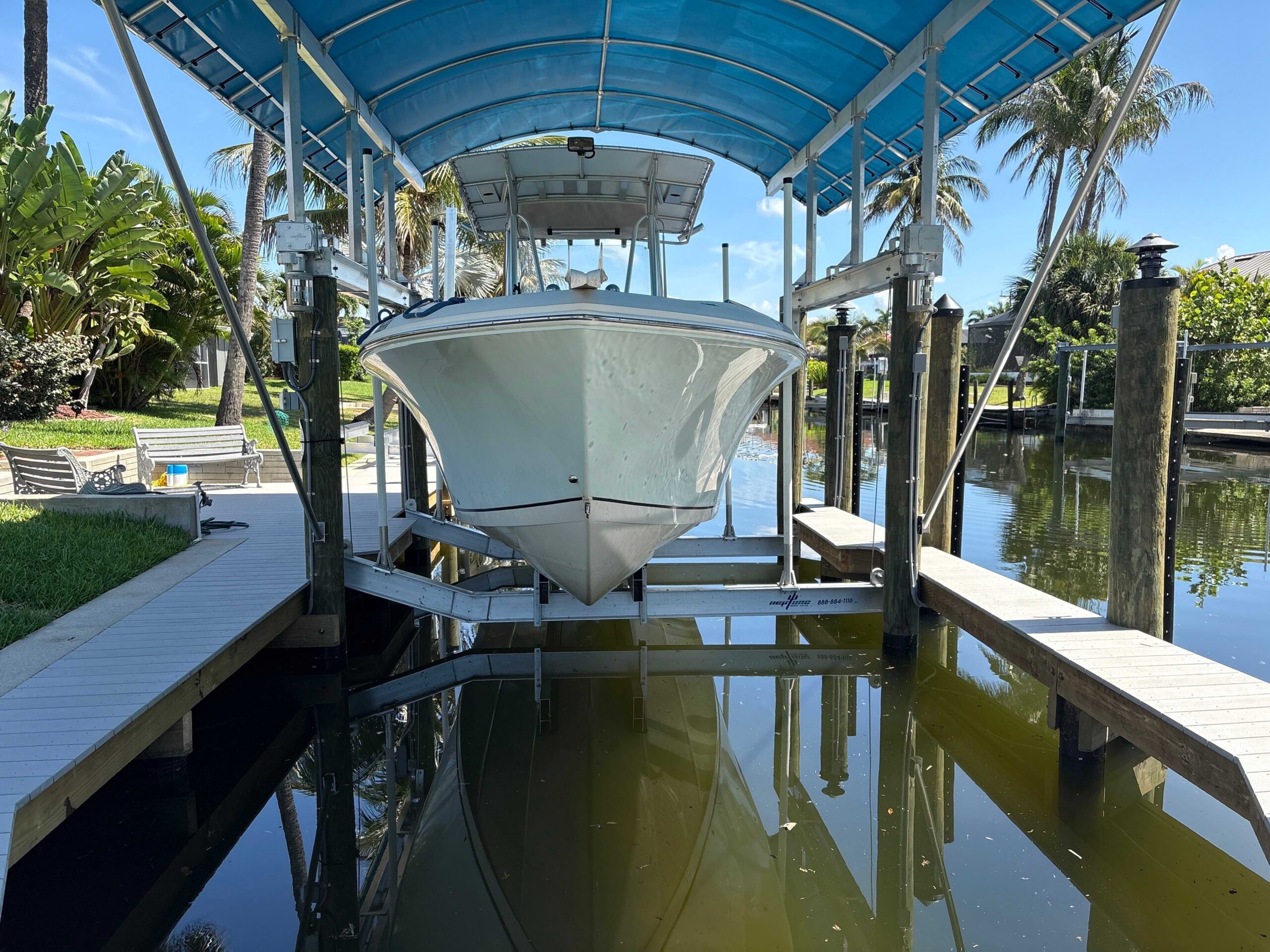
When preparing your boat lift for storm season, assessing the condition of your canopy is crucial. Start by inspecting the canopy fabric for any tears or signs of wear. A compromised canopy can lead to significant damage during high winds and heavy rain. Ensure that all support structures are intact and securely fastened. If you notice any rust or corrosion on the hardware, it’s time to replace those components with marine-grade materials that can withstand our salty environment.
Next, check the storm readiness of your lift system. Make sure that all cables are free of frays and corrosion, as these can weaken under stress. Inspect the alignment of the cradle and bunks to ensure they are positioned correctly, which is vital for maintaining balance during turbulent weather. If you’re unsure about any of these checks, it’s wise to consult a professional. Regular maintenance not only extends the life of your lift but also ensures your boat remains safe and secure. For a thorough inspection, consider our maintenance plan at [HONC Docks & Lifts](https://honcdocks.com/maintenance-plan/).
When to Call a Professional
As a homeowner with a boat lift, it’s crucial to know when to bring in a professional for maintenance. While you can perform basic visual inspections, certain components require a trained eye to ensure safety and functionality. For instance, cables and motors are under constant stress, especially in our saltwater environment, and any signs of wear should prompt a call to a technician. An expert can assess the integrity of the cables and the performance of the motor, ensuring that your lift operates smoothly and safely.
Additionally, aspects like cradle alignment and pulley systems can be tricky. Misalignment can lead to uneven wear and potential failure, which is why professionals should handle these inspections. They’ll also check for corrosion on hardware, which can be accelerated by our coastal conditions. If you notice issues with the controls or breakers, don’t hesitate to reach out for a professional evaluation. Regular maintenance not only prolongs the life of your boat lift but also safeguards your investment. For a thorough inspection, consider our maintenance plan, which you can learn more about [here](https://honcdocks.com/maintenance-plan/).
Conclusion and Next Steps
As we wrap up this discussion on maintaining your boat lift, it’s crucial to recognize that regular upkeep is not just about preserving your equipment—it’s about ensuring safety and reliability on the water. By following the boat lift maintenance checklist, you can identify potential issues early, such as worn cables or misaligned cradles, which are particularly important in our saltwater environment where corrosion is a constant threat.
Consider establishing a maintenance plan with HONC Docks & Lifts to keep your lift in top shape. Our experienced technicians understand the unique challenges posed by Southwest Florida’s marine conditions, from permitting delays to low-water levels. We can help you navigate these challenges and ensure your boat lift is always storm-ready. Don’t wait for a minor issue to become a costly repair—reach out to us today to discuss how we can assist you with routine inspections and maintenance. For more information, visit our maintenance plan page or contact us directly.
A checklist should include cables, hardware, bunks, motors, controls, pulleys, sheaves, corrosion, alignment, canopy condition, and storm-readiness items.
Homeowners can look for visible warning signs, but cable, motor, electrical, and structural concerns should be inspected by a qualified professional.
Boat Lift Maintenance Checklist for Saltwater Homes should be planned around the condition of the waterfront, the exposure to saltwater and storms, and the long-term performance of the materials being used. A careful review of the site helps determine whether the project needs repair, replacement, permitting support, or a more durable construction approach.
Introduction to Boat Lift Maintenance can influence the materials, access requirements, scheduling, and level of structural work involved. For waterfront properties, the right scope depends on how the dock, lift, seawall, or shoreline system is currently performing and what needs to be protected over time.
Local experience matters because Southwest Florida waterfront projects face saltwater corrosion, permitting requirements, storm exposure, tidal conditions, and site-specific access constraints. A contractor familiar with these conditions can recommend details that hold up better and reduce avoidable delays.
Introduction to Boat Lift Maintenance helps protect the investment after construction or repair work is finished. Regular inspections, timely service, and attention to fasteners, decking, pilings, lifts, and seawalls can prevent small issues from becoming expensive structural problems.
Owners should compare options based on structural durability, marine-grade materials, permitting knowledge, communication, and the contractor’s experience with similar waterfront properties. The lowest upfront option is not always the best long-term value in a harsh coastal environment.