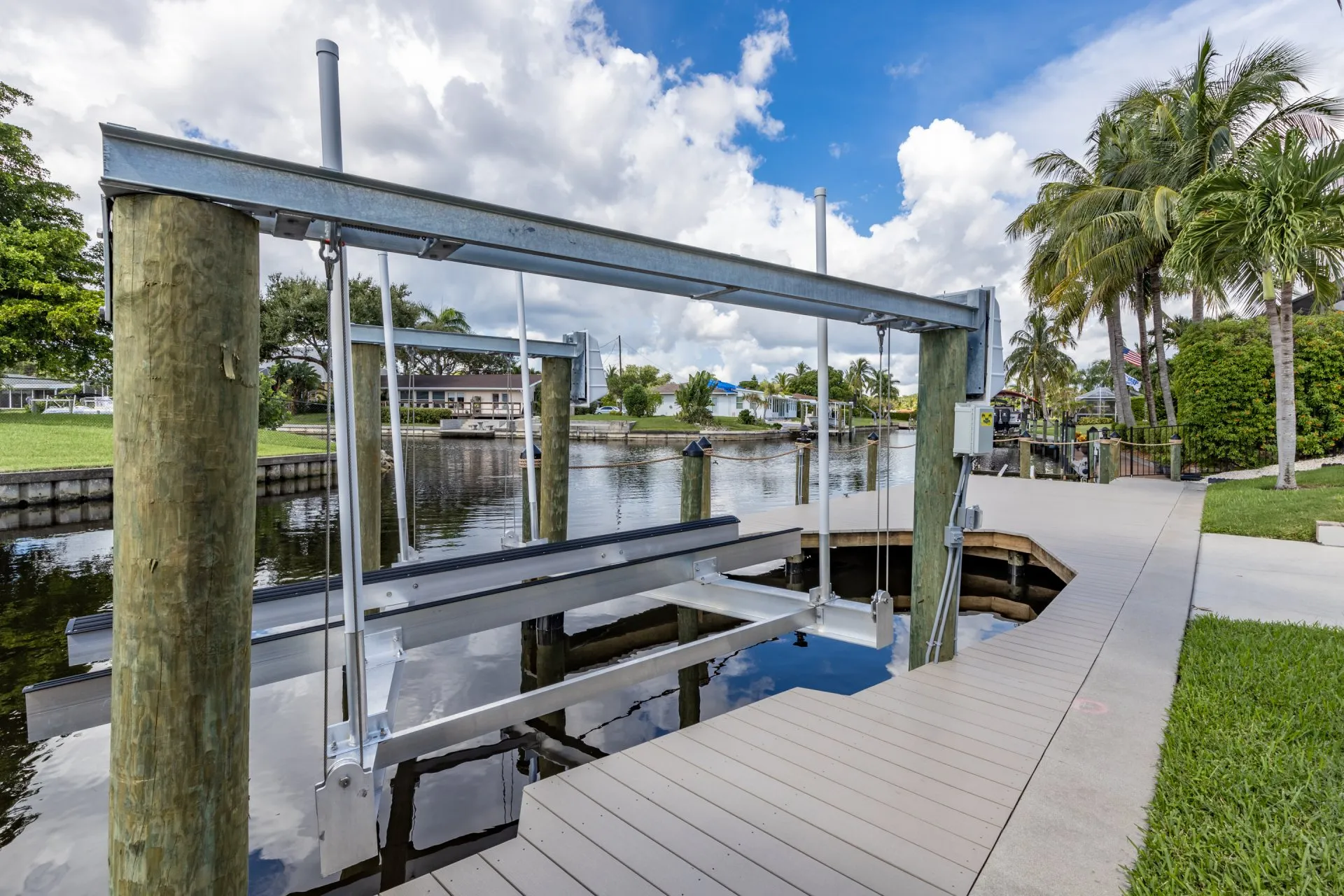
Understanding Boat Lift Mechanics
Boat lifts are crucial for protecting your vessel from the harsh conditions of Southwest Florida waters. They typically consist of pulleys, sheaves, gears, and bearings, all of which work together to raise and lower your boat smoothly. Each component plays a vital role in the lift’s operation, and understanding their functions helps homeowners appreciate the importance of regular lubrication. Saltwater exposure can lead to corrosion, making it essential to keep these parts in good condition to avoid costly repairs down the line.
While homeowners can observe signs of wear, such as unusual noises or rough movements, it’s important to follow manufacturer guidelines for lubrication. Over-lubricating or using the wrong products can create more problems than they solve, leading to buildup that hinders performance. A professional service can ensure that all moving parts are properly maintained and inspected. At Honc Docks & Lifts, we specialize in boat lift inspections and maintenance plans tailored for the unique conditions of our local environment. For more detailed maintenance practices, check out our [pulley and sheave maintenance page](https://honcdocks. com/boat-lift-pulley-sheave-gear-maintenance/) or consider enrolling in our [maintenance plan](https://honcdocks.
com/maintenance-plan/) to keep your lift in top shape.
Key Areas Requiring Lubrication
When it comes to maintaining your boat lift, understanding the key areas that require lubrication is crucial for its longevity and performance. The pulleys and sheaves are among the most critical components, as they facilitate the smooth operation of your lift. Regular inspection of these parts can reveal signs of wear or corrosion, especially in the saltwater environments of Southwest Florida. If you notice any rough movement or unusual noise, it may be time to consider professional service to ensure everything is functioning as it should.
Gears and bearings also play a significant role in the operation of your boat lift. These components are often exposed to harsh conditions, including saltwater exposure, which can lead to corrosion if not properly maintained. Following the manufacturer’s guidance on lubrication is essential, as using the wrong product or over-lubricating can create more problems than it solves. Remember, while you can observe and report issues, having a professional like Honc Docks & Lifts perform regular inspections and maintenance will ensure that your boat lift remains in top condition.
For more detailed information on maintaining pulleys and sheaves, check out our [boat lift pulley sheave gear maintenance](https://honcdocks. com/boat-lift-pulley-sheave-gear-maintenance/) page.
Manufacturer Guidelines for Lubrication
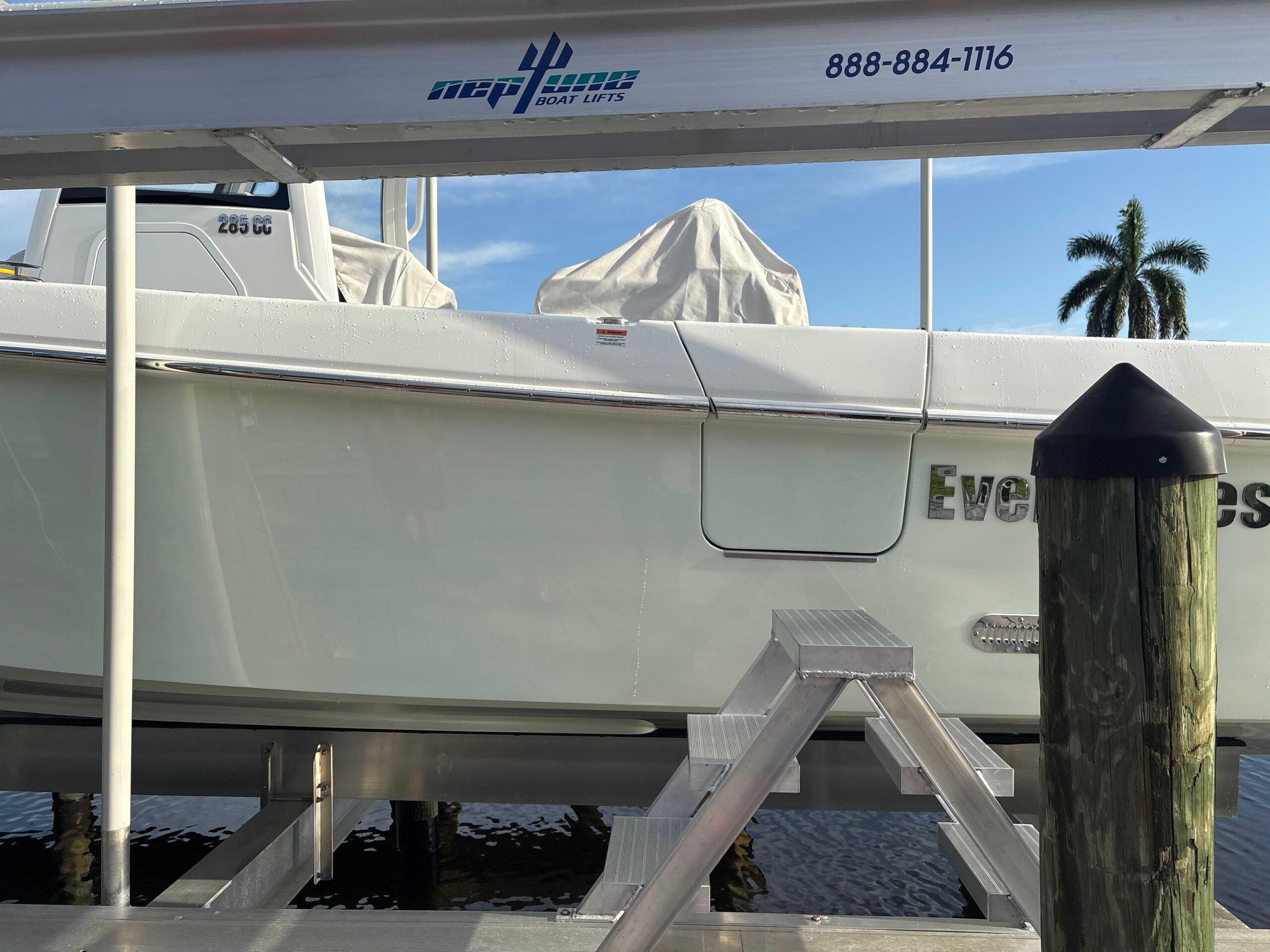
When it comes to maintaining your boat lift, adhering to the manufacturer’s guidelines for lubrication is crucial. Each lift design has specific requirements for the types of lubricants to use and the intervals at which they should be applied. Using the wrong product can lead to corrosion, especially in our saltwater environment here in Southwest Florida, where exposure to harsh conditions can accelerate wear on moving parts. Manufacturers often specify marine-grade lubricants that can withstand the rigors of saltwater, ensuring longevity and optimal performance.
Homeowners should also be aware of the signs that indicate lubrication is needed. While it’s tempting to undertake this task yourself, it’s essential to understand that observing issues like noise or rough movement is just the beginning. A professional service can thoroughly inspect all components, including pulleys, sheaves, and gears, ensuring that everything is functioning correctly. Remember, over-lubricating can create its own problems, leading to buildup that may hinder performance. For a comprehensive maintenance plan tailored to your specific lift, consider enrolling in our professional service program, which includes regular inspections and expert advice on lubrication practices.
Impact of Saltwater Exposure
Living in Southwest Florida means your boat lift is constantly exposed to saltwater, which can significantly affect its components. Saltwater can accelerate corrosion, leading to the degradation of pulleys, sheaves, and gears. Regular maintenance is crucial to ensure that these parts remain functional and safe. Over time, the salt can build up, causing wear and tear that may not be immediately visible. Homeowners should be vigilant about observing any signs of rust or unusual noises when operating their lifts, as these can indicate underlying issues that need professional attention.
Additionally, relying solely on DIY lubrication can lead to problems if the wrong products are used or if over-lubrication occurs. Each manufacturer provides specific guidelines for maintenance, and deviating from these can lead to further complications. For instance, using a lubricant that isn’t marine-grade can exacerbate corrosion. It’s advisable to enroll in a maintenance plan with a professional service like Honc Docks & Lifts, which specializes in inspecting and servicing boat lift moving parts. This ensures that your equipment is not only lubricated properly but also inspected for any potential issues caused by the harsh marine environment.
Observing Signs of Wear and Corrosion
As a homeowner in Southwest Florida, keeping an eye on your boat lift’s performance is crucial, especially considering our unique coastal environment. Look for any unusual noises when the lift is in operation; grinding or squeaking sounds often indicate that lubrication is needed. Additionally, inspect for signs of corrosion on the pulleys and sheaves, as saltwater exposure can accelerate wear. If you notice any rough movement or jerking, it could be a sign that the gears or bearings require attention. Regular observation can help catch these issues early, preventing more significant problems down the line.
It’s important to remember that while you can identify these warning signs, the actual lubrication process should be approached with care. Using the wrong product or over-lubricating can lead to further complications, such as attracting dirt or causing mechanical failures. Each boat lift design comes with specific manufacturer guidance that outlines the best practices for maintenance. For a thorough inspection and to ensure your lift operates smoothly, consider enrolling in a professional maintenance plan with Honc Docks & Lifts.
Our team can provide the expertise needed to keep your lift in top condition and address any underlying issues before they escalate.
Risks of Over-Lubrication and Wrong Products
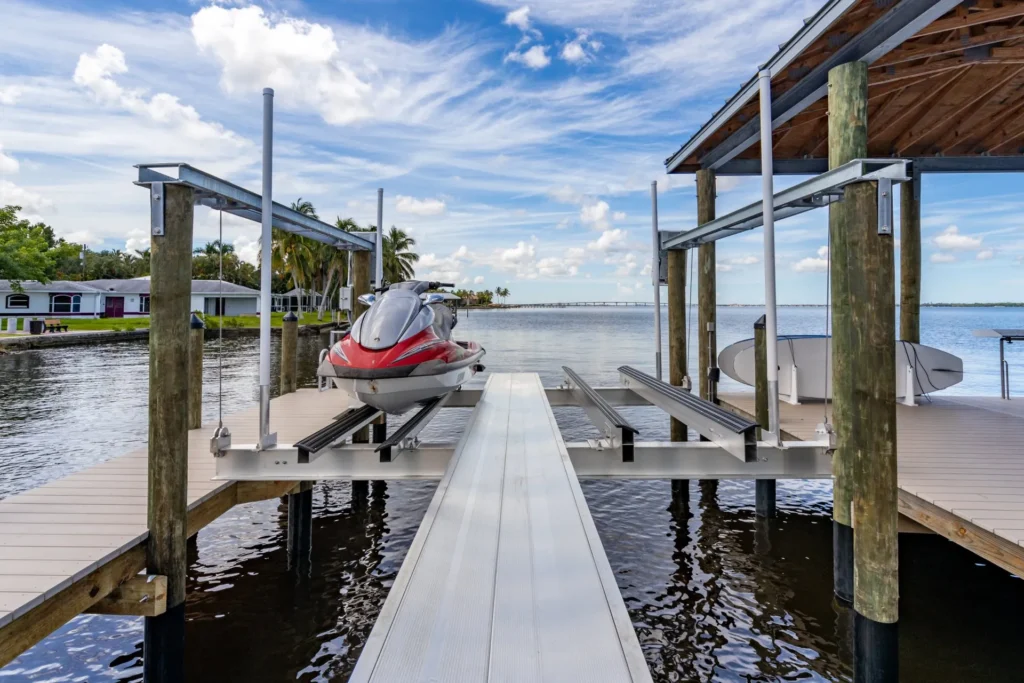
When it comes to maintaining your boat lift, using the right lubrication products is crucial. Over-lubrication can lead to a buildup of grease and debris, which can attract dirt and cause components to wear down faster. In the humid, saltwater environment of Southwest Florida, this can be particularly problematic. The wrong lubricant can also break down under high temperatures or fail to provide adequate protection against corrosion, leading to premature failure of critical parts like pulleys and bearings. It’s essential to follow manufacturer recommendations to avoid these pitfalls.
Homeowners often overlook the importance of proper lubrication practices, thinking that more is better. However, excessive grease can cause seals to fail and lead to leaks, which can compromise the entire lift system. Instead of treating lubrication as a standalone task, it should be part of a comprehensive maintenance plan. Regular inspections by a professional can help identify wear and corrosion before they become serious issues. At Honc Docks & Lifts, we specialize in boat lift service and inspection, ensuring that all components are well-maintained and functioning correctly.
Enrolling in our maintenance plan can save you time and money in the long run.
Why Professional Maintenance is Essential
When it comes to maintaining your boat lift, hiring a professional for comprehensive inspections and maintenance goes beyond just lubrication. In Southwest Florida, where saltwater exposure and corrosion are constant threats, a trained eye can spot potential issues before they escalate. Professionals understand the specific requirements of different lift designs and can ensure that all moving parts, including pulleys, sheaves, and gears, are functioning optimally. This not only prolongs the life of your equipment but also enhances safety during use.
Moreover, over-lubricating or using the wrong type of lubricant can lead to significant problems, such as attracting dirt or causing mechanical failures. A professional service will adhere to manufacturer guidelines, ensuring that the right products are used in the right amounts. They can also inspect other critical components like cables and alignment, which homeowners might overlook. By enrolling in a maintenance plan, you can ensure that your boat lift remains in peak condition, providing peace of mind and reliability for your boating adventures. For more information on specific maintenance tasks, check out our [boat lift pulley sheave gear maintenance](https://honcdocks.
com/boat-lift-pulley-sheave-gear-maintenance/) page and consider our [maintenance plan](https://honcdocks. com/maintenance-plan/) for ongoing support.
Local Considerations for Boat Lift Maintenance

In Southwest Florida, maintaining your boat lift’s moving parts requires awareness of local conditions that can impact service schedules. Permitting delays can hinder timely maintenance, especially if you’re planning upgrades or repairs. Additionally, canal access may be restricted during low-water conditions, making it challenging to get equipment in and out for necessary lubrication and inspections. Storm impacts can also lead to unexpected wear and tear, necessitating more frequent check-ups to ensure your lift operates smoothly.
When it comes to boat lift lubrication, homeowners should be vigilant about the effects of saltwater exposure on components like pulleys, sheaves, and gears. Corrosion can develop quickly in our marine environment, so regular inspections are crucial. While you can observe signs of wear, such as unusual noises or rough movements, remember that over-lubricating or using the wrong products can create more problems than they solve. It’s best to consult with professionals who understand the specific needs of your lift and can provide tailored maintenance plans.
For comprehensive service, consider enrolling in our maintenance plan, which ensures your boat lift remains in top condition and ready for use throughout the year.
Enroll in a Maintenance Plan
Maintaining your boat lift is crucial, especially in the challenging marine environment of Southwest Florida. Enrolling in a maintenance plan ensures that your lift receives regular professional attention, which can prevent costly repairs down the line. Our team at Honc Docks & Lifts understands the unique demands of saltwater exposure, and we know how to protect your lift’s moving parts, including pulleys and gears, from corrosion and wear. Regular inspections help catch issues early, ensuring your lift operates smoothly and safely.
Homeowners often overlook the importance of proper lubrication, thinking they can manage it themselves. However, using the wrong products or over-lubricating can lead to serious mechanical problems. Our maintenance plan includes expert advice on the right lubricants and techniques tailored to your specific lift model. We also provide thorough inspections to check for alignment, wear, and other potential issues that could affect your lift’s performance. Don’t leave your boat lift’s health to chance; let us handle the details while you enjoy your time on the water.
FAQs About Boat Lift Lubrication
When it comes to maintaining your boat lift, understanding which components require lubrication is crucial. Depending on the design of your lift, you may need to focus on pulleys, sheaves, gears, and bearings. Each of these moving parts plays a vital role in the lift’s operation, and neglecting them can lead to performance issues, especially in the harsh saltwater environment of Southwest Florida. Always refer to the manufacturer’s specifications for guidance on lubrication intervals and types of products to use.
Many homeowners wonder if they can handle boat lift lubrication themselves. While it’s possible to observe signs of wear, such as unusual noises or rough movement, the choice of lubricant and the method of application should align with the manufacturer’s guidelines. Over-lubricating or using the wrong type of lubricant can lead to more problems than it solves, such as attracting dirt or causing corrosion. It’s often best to consult with a professional who understands the specific needs of your lift and the challenges posed by local conditions.
The value of professional service cannot be overstated. A qualified technician can perform a comprehensive inspection of your boat lift, checking for cable wear, alignment issues, and potential corrosion that you might overlook. This holistic approach ensures that lubrication is just one part of a larger maintenance strategy, addressing all moving parts and their interactions. By enrolling in a maintenance plan with Honc Docks & Lifts, you can ensure that your boat lift operates smoothly and reliably, allowing you to enjoy your time on the water without worry.
For more detailed information on specific maintenance tasks, check out our [boat lift pulley sheave gear maintenance](https://honcdocks. com/boat-lift-pulley-sheave-gear-maintenance/) and [boat lift inspection in Southwest Florida](https://honcdocks. com/boat-lift-inspection-in-southwest-florida/) pages.
Depending on the lift design, service may involve pulleys, sheaves, gears, bearings, and other moving parts listed by the manufacturer.
Homeowners can watch for noise, corrosion, and rough movement, but product choice and service method should follow the lift design and manufacturer guidance.
A professional can inspect cables, alignment, wear, corrosion, and electrical or mechanical issues at the same time instead of treating lubrication as an isolated task.