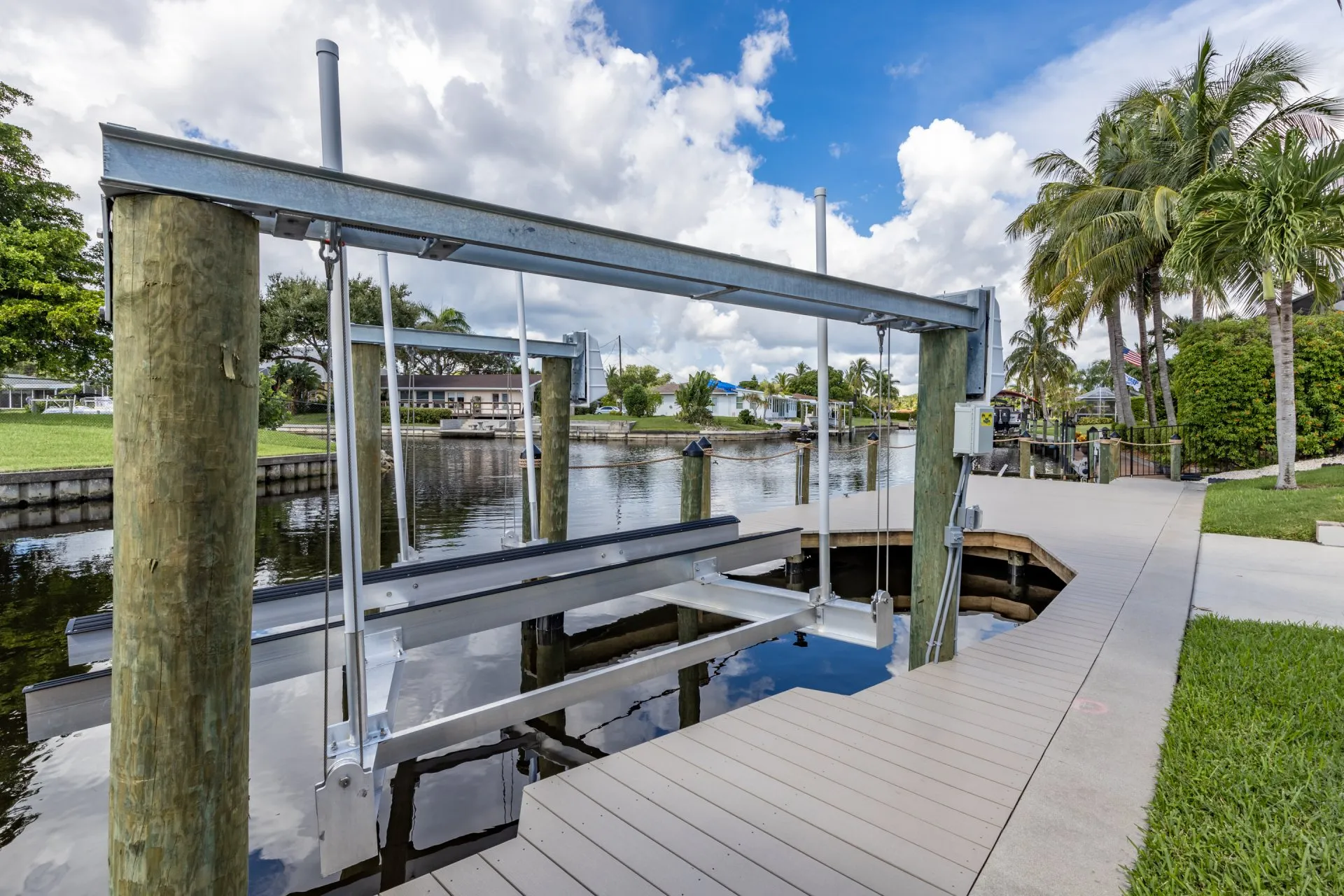
Understanding Boat Lift Components
When it comes to maintaining your boat lift, understanding the role of pulleys and sheaves is essential. These components work together to ensure smooth lifting and lowering of your vessel. In the salty waters of Southwest Florida, exposure to saltwater can lead to corrosion and wear, which can compromise the functionality of these parts. Regular inspections are crucial to identify any signs of wear or misalignment before they escalate into more significant issues, such as uneven lifting or cable damage.
Proper lubrication is another key factor in maintaining these moving parts. Without it, you may notice increased noise from your lift, which often indicates that the pulleys or sheaves are not operating smoothly. The specific maintenance required can vary depending on the type of lift you have and its condition. For example, if you’re experiencing unusual sounds, it’s wise to consult with a professional to ensure that everything is properly aligned and functioning as it should. Don’t wait for a minor issue to turn into a costly repair—schedule a ShoreWatch inspection to keep your boat lift in top shape.
Impact of Saltwater Exposure
Saltwater can be a silent enemy to your boat lift’s moving parts, especially the pulleys and sheaves that play a critical role in its operation. Over time, exposure to saltwater leads to corrosion and wear, significantly reducing the lifespan of these components. Regular inspections are essential to catch any early signs of deterioration. If you notice your lift making unusual noises or struggling to operate smoothly, it could be a direct result of saltwater damage. Ignoring these issues can lead to more extensive repairs down the line, including cable replacement or even motor failure.
In Southwest Florida, where saltwater is a constant presence, the importance of maintenance cannot be overstated. Without proper lubrication and alignment, the pulleys can become misaligned, causing uneven lifting and additional strain on the cables. This not only affects performance but can also lead to premature wear. It’s crucial to schedule regular maintenance visits to ensure that all moving parts are adequately lubricated and functioning as they should. For a more comprehensive approach, consider our ShoreWatch inspections, which can help identify potential issues before they escalate.
Signs of Wear and Misalignment
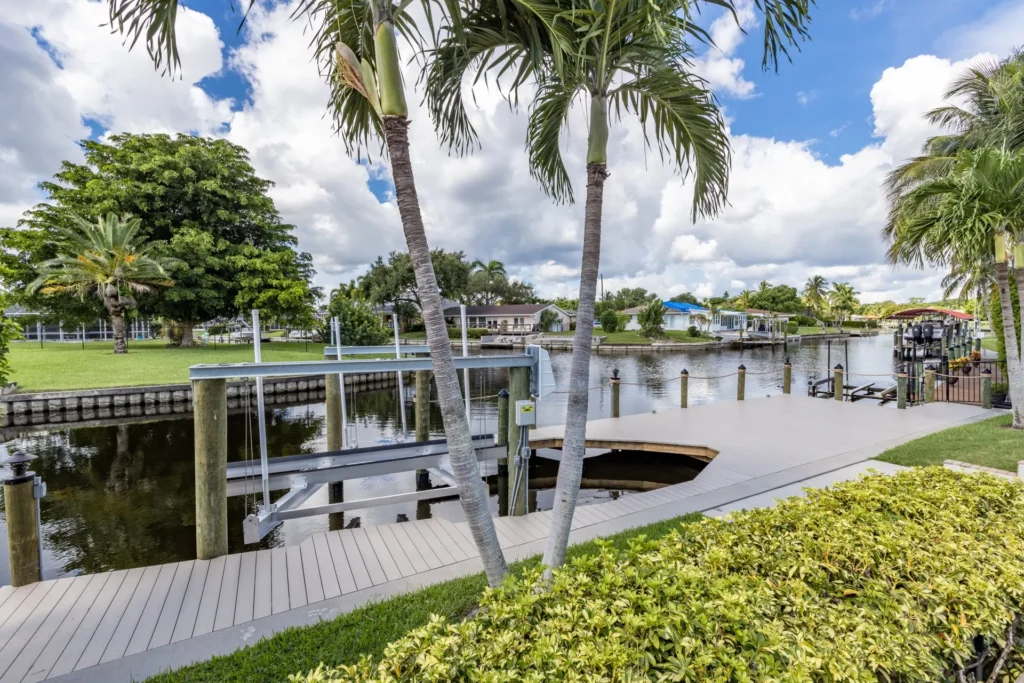
As a boat lift owner in Southwest Florida, it’s crucial to keep an eye out for signs of wear and misalignment in your lift’s pulley and sheave system. If you start hearing unusual noises, particularly grinding or squeaking, it could indicate that moving parts are corroded or lack proper lubrication. Saltwater exposure can accelerate wear, leading to misalignment that not only affects performance but can also cause further damage if left unchecked. An inspection is essential to prevent more significant issues down the line.
Another red flag to watch for is uneven lifting. If one side of your boat lift appears to be rising faster than the other, this could point to a misaligned sheave or a worn pulley. In our local waters, low-water conditions can exacerbate these problems, putting additional stress on your lift. Regular maintenance, including checking for proper alignment and replacing worn components, can help ensure your boat lift operates smoothly. If you’re experiencing any of these issues, it’s wise to consider ShoreWatch inspections to get a detailed assessment and keep your lift in top shape.
The Importance of Lubrication
Regular lubrication is crucial for the longevity of your boat lift’s moving parts, including pulleys and sheaves. In the salty Southwest Florida environment, saltwater exposure can accelerate corrosion and wear. Without proper lubrication, these components can become noisy and misaligned, leading to uneven lifting and increased strain on cables. This is especially important as we navigate the unique challenges of our local waterways, where permitting delays and low-water conditions can complicate maintenance schedules.
Incorporating lubrication into your maintenance plan not only prevents wear and tear but also enhances the overall performance of your lift. Many service visits should include a thorough inspection and lubrication of all moving parts to ensure they operate smoothly. If you notice your boat lift making noise, it’s a sign that it’s time for an inspection. Addressing these issues early can prevent more extensive repairs down the line and help maintain the integrity of your lift system. For a detailed maintenance strategy, consider scheduling a ShoreWatch inspection to keep your equipment in top shape.
Common Maintenance Issues
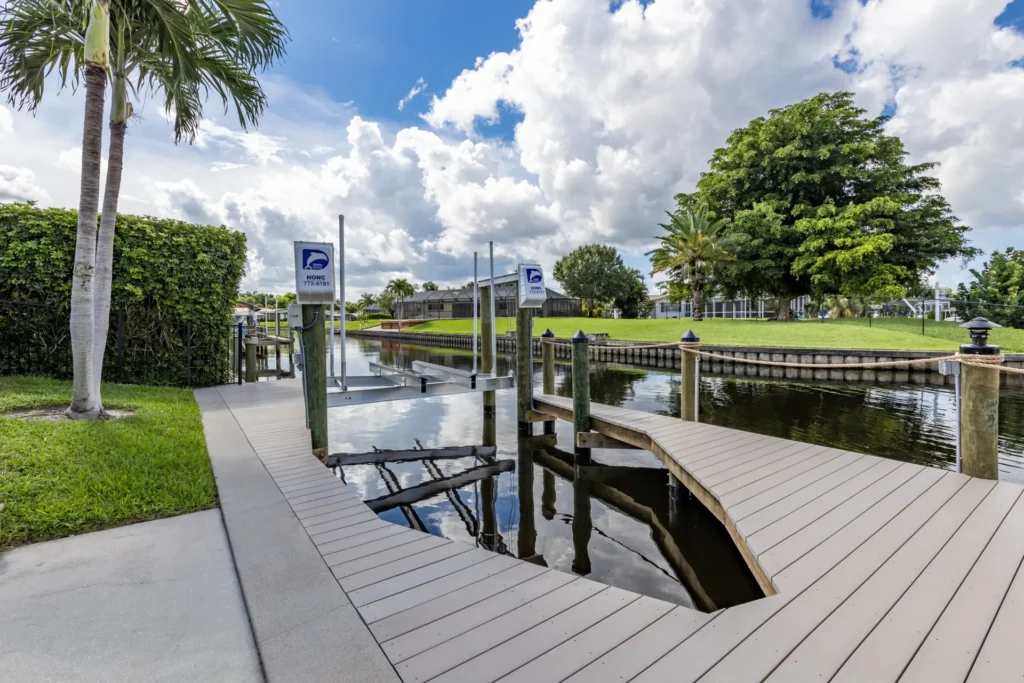
When it comes to maintaining your boat lift, neglecting the smaller components like pulleys and sheaves can lead to significant problems down the line. Saltwater exposure can cause corrosion, leading to wear on cables and moving parts. If you notice your lift making unusual noises, it could be a sign of misalignment or insufficient lubrication. These issues, if left unchecked, can escalate into larger repairs, including damage to the motor or structural components of the lift itself.
Regular inspections are crucial, especially in our Southwest Florida environment where storms and fluctuating water levels can exacerbate wear and tear. It’s not just about keeping the lift operational; it’s about ensuring safety and efficiency. A well-maintained system will operate smoothly and evenly, preventing cable wear and the potential for more extensive repairs. If you’re experiencing issues, consider scheduling a ShoreWatch inspection to catch any underlying problems before they develop into costly repairs.
Local Considerations for Maintenance
When it comes to maintaining your boat lift’s pulley and sheave systems, local conditions play a significant role in how often and when you should perform these tasks. In Southwest Florida, saltwater exposure can lead to accelerated wear on moving parts, making regular inspections crucial. Additionally, permitting delays can impact your maintenance schedule, especially if you need to make repairs or upgrades that require local approvals. It’s essential to plan ahead and account for these potential setbacks.
Accessing your boat lift can also be influenced by local canal conditions. Low-water levels can restrict access, making it difficult to get the necessary equipment in place for maintenance. Storms can further complicate matters, causing debris to accumulate and affect the lift’s operation. A proactive approach, including regular ShoreWatch inspections, can help identify issues before they escalate, ensuring your system remains in optimal working condition. Keeping an eye on these local factors can save you time and money in the long run.
ShoreWatch Inspections: A Smart Choice
When it comes to maintaining your boat lift, regular inspections are key to avoiding costly repairs down the line. ShoreWatch inspections offer a thorough examination of your lift’s components, especially the pulleys and sheaves, which are crucial for smooth operation. In our salty Southwest Florida environment, these parts can corrode quickly if not properly maintained. Saltwater exposure can lead to wear patterns that, if left unchecked, may cause uneven lifting or excessive noise, ultimately putting your entire lift system at risk.
During a ShoreWatch inspection, we pay close attention to the alignment and lubrication of moving parts. Many property owners overlook the importance of proper lubrication, which is vital for preventing friction and wear. A well-lubricated system not only operates more quietly but also extends the lifespan of your equipment. If your boat lift is making noise, it might be time for an inspection to address worn or misaligned components before they lead to more significant issues like cable damage or motor failure.
By opting for ShoreWatch inspections, you’re taking a proactive approach to boat lift maintenance. This service aligns perfectly with our comprehensive maintenance plan, ensuring that your lift remains in top condition year-round. Don’t wait for a problem to escalate; reach out to us today to schedule your inspection and keep your boat lift operating smoothly. For more information on our maintenance offerings, visit our maintenance plan page or contact us directly.
FAQs About Boat Lift Maintenance
Maintaining your boat lift is crucial, especially in the salty waters of Southwest Florida. If you’ve noticed your lift making unusual noises, it’s likely due to worn or misaligned moving parts. Saltwater exposure can corrode components, leading to significant wear and tear. Before this escalates into more serious issues like cable damage or motor failure, it’s wise to schedule an inspection. Regular checks can save you from costly repairs down the line.
Another common question is whether boat lift maintenance includes lubrication. The answer is yes, but the specifics depend on the type of lift you have and its current condition. Many maintenance visits will involve checking and lubricating the moving parts to ensure smooth operation. If you’re unsure about the maintenance needs of your lift, consider reaching out for a ShoreWatch inspection. This can help identify any potential issues early, allowing you to keep your lift in top shape and ready for use.
Noise can come from worn, dry, misaligned, or corroded moving parts. The lift should be inspected before the issue causes cable or motor damage.
Many maintenance visits include checking and lubricating appropriate moving parts, but the exact scope depends on the lift type and condition.
Boat Lift Pulley, Sheave & Gear Maintenance should be planned around the condition of the waterfront, the exposure to saltwater and storms, and the long-term performance of the materials being used. A careful review of the site helps determine whether the project needs repair, replacement, permitting support, or a more durable construction approach.
Understanding Boat Lift Components can influence the materials, access requirements, scheduling, and level of structural work involved. For waterfront properties, the right scope depends on how the dock, lift, seawall, or shoreline system is currently performing and what needs to be protected over time.
Local experience matters because Southwest Florida waterfront projects face saltwater corrosion, permitting requirements, storm exposure, tidal conditions, and site-specific access constraints. A contractor familiar with these conditions can recommend details that hold up better and reduce avoidable delays.
Impact of Saltwater Exposure helps protect the investment after construction or repair work is finished. Regular inspections, timely service, and attention to fasteners, decking, pilings, lifts, and seawalls can prevent small issues from becoming expensive structural problems.
Owners should compare options based on structural durability, marine-grade materials, permitting knowledge, communication, and the contractor’s experience with similar waterfront properties. The lowest upfront option is not always the best long-term value in a harsh coastal environment.