
Why Choose Composite Decking for Your Cape Coral Home
When considering outdoor living spaces in Cape Coral, composite decking stands out as a durable solution that can withstand our unique climate. With the intense Florida sun and seasonal rains, traditional wood decks often require frequent maintenance, but composite materials are designed to resist fading, warping, and splintering. This means less time spent on upkeep and more time enjoying your waterfront property. Homeowners can appreciate the peace of mind that comes with knowing their deck will hold up against the elements, especially in areas prone to saltwater exposure.
In addition to durability, composite decks offer versatility in design. Whether you’re looking to create a cozy poolside retreat or an expansive entertaining area, these materials come in a variety of colors and finishes that can complement any home’s aesthetic. Planning your deck layout is crucial, especially in Cape Coral where site conditions can vary significantly. A thorough site review will help determine the best framing options and ensure proper drainage, which is essential for maintaining the integrity of your deck over time.
For those considering a waterfront deck, it’s important to factor in potential storm impacts and low-water conditions that can affect accessibility and material choice.
Understanding the Florida Climate: Composite Decking Benefits
In Cape Coral, the unique climate poses challenges for outdoor surfaces, making composite materials a smart choice for homeowners. Unlike traditional wood, composite decking is engineered to resist the harsh effects of the Florida sun and heavy rain. This means you won’t have to worry about warping, splintering, or fading as you would with wood. The marine-grade materials used in composite decks are designed to withstand moisture and salt exposure, which is particularly important for waterfront properties. This durability translates to a longer lifespan and less frequent replacements, allowing you to enjoy your outdoor space without constant upkeep.
When considering a composite deck, think about how it will be used in your backyard or around your pool. These materials are slip-resistant and stay cooler underfoot, making them ideal for poolside lounging. Additionally, color and layout planning can be tailored to complement your home’s aesthetic while ensuring that the deck remains functional and appealing. At Honc Docks & Lifts, we understand the importance of a thorough site review to assess framing and drainage needs, especially in areas prone to flooding or low-water conditions.
By choosing composite decking, you’re investing in a low-maintenance, long-lasting solution that enhances your outdoor living experience while standing up to the elements.
Ideal Use Cases for Composite Decks in Southwest Florida
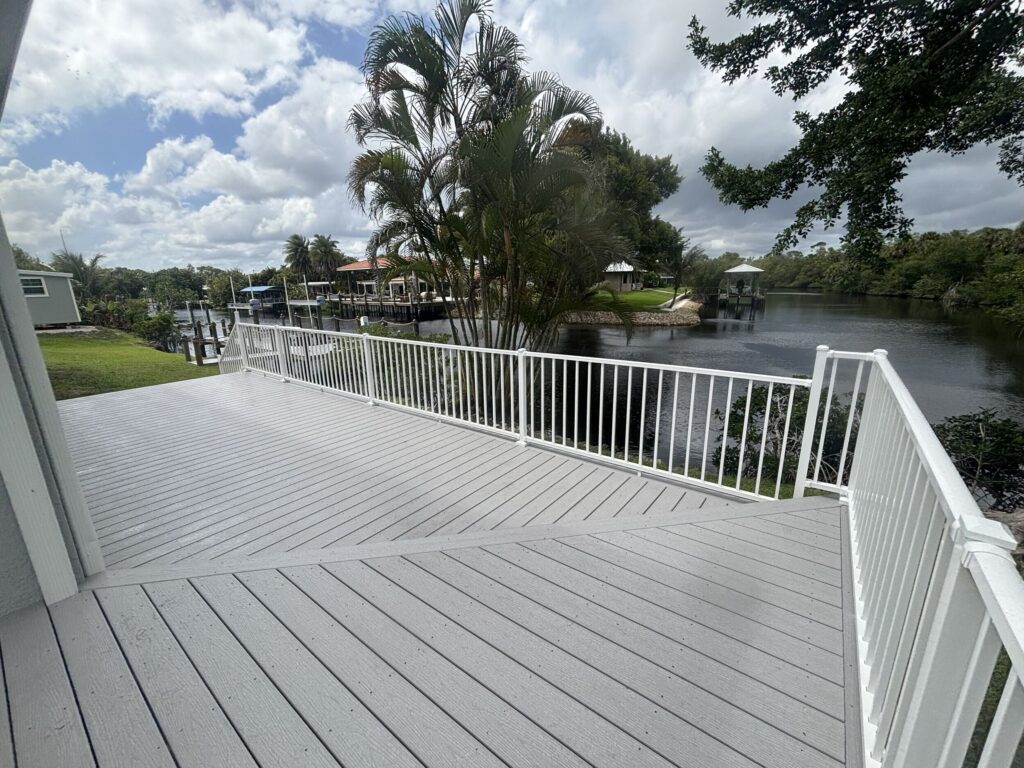
In Southwest Florida, composite decking is an excellent choice for various outdoor spaces, especially around pools and backyards. Given the region’s intense sun and seasonal rains, homeowners benefit from the material’s durability and low maintenance. Unlike traditional wood, composite decks resist warping and fading, making them ideal for areas that see heavy use and exposure to the elements. When planning a deck near a pool, it’s crucial to consider factors like heat retention and slip resistance to ensure safety and comfort for family and guests.
Additionally, waterfront properties can leverage composite materials to withstand the unique challenges posed by saltwater and humidity. The right composite deck can enhance your outdoor living area while providing a sturdy surface for entertaining or relaxing by the water. During the planning phase, it’s important to review site conditions, including framing and drainage, to ensure a long-lasting installation. With a variety of colors and layouts available, homeowners can create a customized look that complements their property while enjoying the benefits of a low-maintenance outdoor space.
Waterfront Exposure: Considerations for Composite Decking
When it comes to installing composite decks in Cape Coral, homeowners need to think about the unique challenges posed by waterfront properties. Saltwater exposure can lead to accelerated wear and tear on materials, making it crucial to choose products designed for marine environments. Composite decking is a solid choice here, as it resists moisture and won’t splinter or warp like traditional wood. However, it’s essential to ensure proper installation and drainage to mitigate any potential issues stemming from high humidity and storm impacts common in our area.
Additionally, the layout and framing of your deck should take into account the specific conditions of your site. Factors such as low-water conditions and canal access constraints can affect both the design and construction process. A thorough site review will help identify the best approach for your composite deck, ensuring it stands up to the elements while providing a beautiful outdoor space. With the right planning and materials, you can create a durable and low-maintenance area that enhances your waterfront living experience.
Framing and Site Review for Composite Deck Installation

When considering composite decks in Cape Coral, FL, the importance of proper framing and site preparation cannot be overstated. A solid framework is essential to support the weight and dimensions of your new deck, ensuring it withstands the unique challenges of our coastal environment. Factors like soil stability, water drainage, and existing structures must be assessed during the site review to prevent issues down the line. In Southwest Florida, we often deal with sandy soils and fluctuating water levels, making a thorough evaluation critical for long-term durability.
Additionally, the framing must accommodate the specific characteristics of composite materials, which can expand and contract with temperature changes. Proper spacing and support will help prevent warping or sagging over time. This is especially important in areas exposed to the sun and rain, where moisture can compromise the integrity of the structure. By investing time in a detailed site review and framing process, homeowners can enjoy a beautiful, functional outdoor living space that stands the test of time.
Color and Layout Planning for Your Composite Deck
When planning your composite deck in Cape Coral, the color and layout choices can significantly enhance your outdoor living space. Consider the architectural style of your home and the surrounding landscape. A light-colored deck can reflect the harsh Florida sun, keeping the surface cooler, while darker tones may provide a striking contrast against the lush greenery. It’s essential to visualize how different colors will look throughout the day as the sunlight shifts, impacting the overall ambiance of your backyard.
The layout of your deck should cater to how you intend to use the space. If you plan to host gatherings, consider a design that incorporates multiple levels or built-in seating. For poolside areas, ensure the layout allows for easy access and movement. Remember that composite materials are versatile and can be cut and shaped to fit your unique vision. Collaborating with a local contractor like Honc Docks & Lifts can help you navigate these choices, ensuring your deck not only looks great but stands up to the elements typical of Southwest Florida, including humidity and saltwater exposure.
Maintenance Expectations for Composite Decks
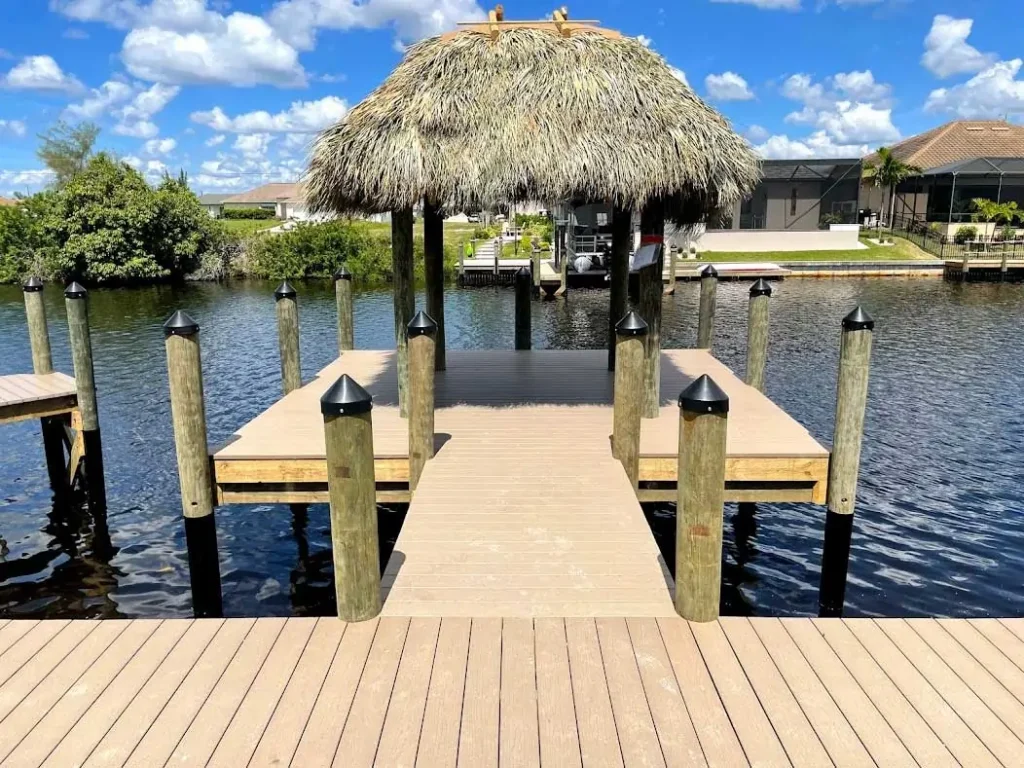
When considering composite decking for your outdoor space in Cape Coral, it’s essential to understand the maintenance expectations that come with it. Unlike traditional wood, which requires regular staining, sealing, and potential replacement due to rot or insect damage, composite materials are designed to withstand the elements with minimal upkeep. This is particularly beneficial in our humid Florida climate, where moisture can quickly deteriorate wood structures. Composite decks are engineered to resist fading, staining, and mold growth, making them an ideal choice for homeowners looking for a durable and low-maintenance solution.
In addition to their resilience against the Florida sun and rain, composite decks offer a variety of aesthetic options without the need for constant care. Homeowners can enjoy the look of natural wood without the associated labor of upkeep. Regular cleaning with soap and water is often all that’s needed to keep your deck looking fresh. This ease of maintenance allows you to spend more time enjoying your waterfront property and less time worrying about repairs or refinishing.
If you’re interested in a composite deck for your home, we can help assess your site and provide a free estimate tailored to your specific needs.
Request a Free Estimate for Your Composite Deck Project
If you’re considering enhancing your outdoor living space with a composite deck in Cape Coral, now is the perfect time to reach out for a free estimate. Our team at Honc Docks & Lifts specializes in waterfront-grade craftsmanship tailored to the unique conditions of Southwest Florida. Composite decking offers a durable solution that withstands the intense sun and rain we experience, providing a low-maintenance alternative to traditional wood. We understand the nuances of building in this region, including permitting delays and site-specific challenges like canal access and low-water conditions.
During your consultation, we’ll discuss your specific needs, whether you’re looking to create a relaxing poolside retreat or a functional space for entertaining guests. Our experts will evaluate your site to ensure proper framing and drainage, critical factors for longevity in a marine environment. We’ll also help you choose the right color and layout for your deck, ensuring it complements your home and lifestyle. Don’t hesitate to contact us for a personalized estimate and let’s make your vision for a composite deck a reality.
FAQs About Composite Decking in Southwest Florida
When considering a durable outdoor living surface in Cape Coral, many homeowners ask, ‘Is composite decking a good choice in Southwest Florida?’ The answer often leans towards yes, as composite materials are engineered to withstand the elements better than traditional wood. With our intense sun and seasonal rains, these decks require less routine maintenance and resist warping and splintering. However, it’s essential to consider factors like exposure to saltwater if your property is waterfront, as well as your budget and design goals.
Another common question is, ‘Can composite decking be used around pools?’ Absolutely, but careful material selection is key. You’ll want to choose options that can handle heat and provide a non-slip surface for safety. Drainage is also crucial, especially in our humid climate, to prevent water pooling. During the planning phase, we can help you evaluate the best materials for your specific pool area, ensuring that your deck not only looks great but also performs well under the conditions it will face.
Lastly, homeowners often inquire, ‘Does Honc help compare composite and wood decking?’ Yes, we do. We understand that choosing between materials can be daunting, so we take the time to discuss your options thoroughly. Our team will walk you through the differences in appearance, maintenance requirements, and performance, helping you make an informed decision that suits your outdoor space perfectly.
Composite decking can be a strong option for many Florida outdoor spaces because it is designed for lower routine maintenance than traditional wood, though the right choice depends on exposure, budget, and design goals.
Composite decking may be used for many pool-area deck designs, but material selection should account for heat, drainage, texture, and the way the space will be used.
Yes. Honc can discuss material options during the planning process so homeowners understand appearance, maintenance, and performance tradeoffs.
Composite Decks in Cape Coral, FL should be planned around the condition of the waterfront, the exposure to saltwater and storms, and the long-term performance of the materials being used. A careful review of the site helps determine whether the project needs repair, replacement, permitting support, or a more durable construction approach.
Why Choose Composite Decking for Your Cape Coral Home can influence the materials, access requirements, scheduling, and level of structural work involved. For waterfront properties, the right scope depends on how the dock, lift, seawall, or shoreline system is currently performing and what needs to be protected over time.
Local experience matters because Southwest Florida waterfront projects face saltwater corrosion, permitting requirements, storm exposure, tidal conditions, and site-specific access constraints. A contractor familiar with these conditions can recommend details that hold up better and reduce avoidable delays.
Maintenance Expectations for Composite Decks helps protect the investment after construction or repair work is finished. Regular inspections, timely service, and attention to fasteners, decking, pilings, lifts, and seawalls can prevent small issues from becoming expensive structural problems.
Owners should compare options based on structural durability, marine-grade materials, permitting knowledge, communication, and the contractor’s experience with similar waterfront properties. The lowest upfront option is not always the best long-term value in a harsh coastal environment.