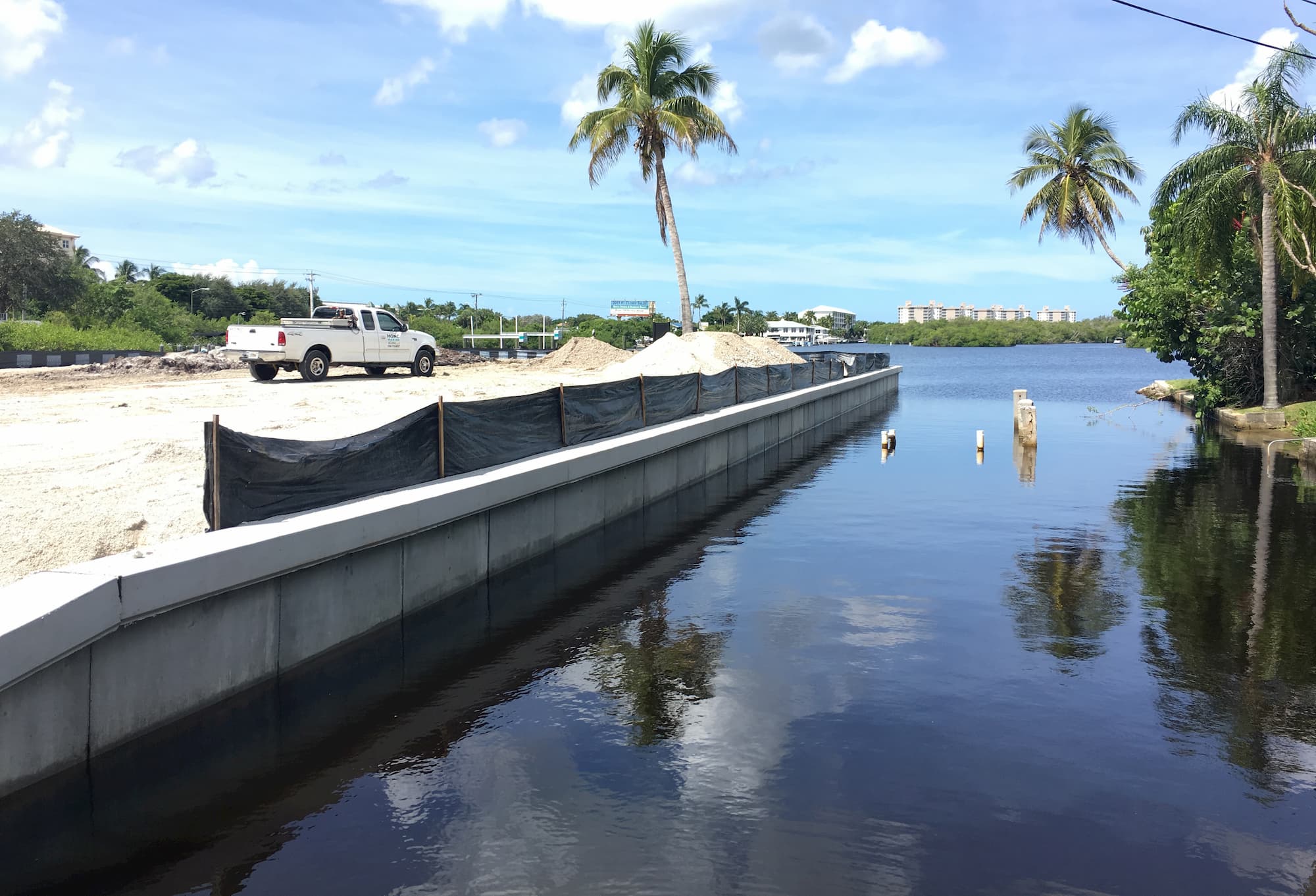
Seawall Erosion Repair in Southwest Florida
In Southwest Florida, seawall erosion repair is crucial for maintaining the integrity of waterfront properties. Homeowners often face challenges from storm exposure, saltwater wear, and shifting soil conditions that can lead to serious damage. Timely intervention is essential to prevent minor issues from escalating into costly repairs. Our local expertise allows us to assess the specific needs of your seawall, ensuring that we implement effective solutions tailored to the unique environmental factors of the region.
Signs of erosion can manifest in various ways, including soil loss behind the wall, noticeable gaps, and even sinkholes. These indicators often become more pronounced after heavy rains or storms, as washout can exacerbate existing vulnerabilities. Regular inspections are vital to catch these issues early, allowing for strategic repair planning. If you notice low spots near the cap or recurring erosion, it’s time to consult a professional to address these concerns before they lead to more extensive seawall work.
The causes of erosion around seawalls are multifaceted, often stemming from inadequate drainage or wall movement due to soil shifts. Saltwater intrusion can weaken materials over time, leading to cap damage and structural instability. Understanding these factors is essential for homeowners, as they can significantly impact the longevity of your seawall. Our team can provide a thorough evaluation of your seawall and the surrounding conditions, helping you make informed decisions about necessary repairs and maintenance.
If you suspect erosion around your seawall, don’t hesitate to request a free estimate. Our experienced team at Honc Docks & Lifts is ready to assist you with a comprehensive inspection and tailored repair solutions. We understand the local permitting processes and can navigate any canal access constraints, ensuring that your seawall remains a reliable barrier against erosion for years to come.
Signs of Soil Loss Behind a Seawall
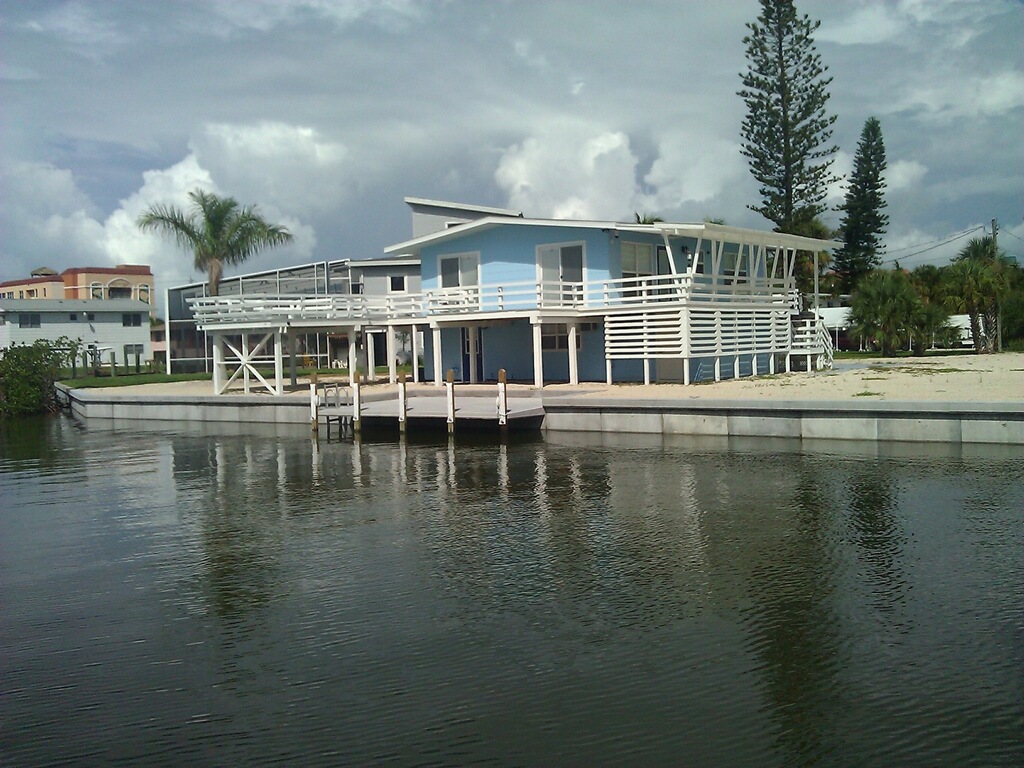
As a waterfront homeowner, recognizing the early signs of soil loss behind your seawall is crucial to maintaining its integrity. Look for low spots near the cap, which can indicate that soil has washed away, compromising the wall's support. Additionally, gaps behind the seawall can signal that erosion is occurring, potentially leading to more severe structural issues if left unaddressed. Regular inspections can help catch these signs before they escalate into costly repairs.
Another indicator of soil loss is the presence of sinkholes or washouts after heavy rain. These occurrences can suggest that water is seeping through or around the seawall, eroding the soil underneath. Pay attention to drainage issues in your area; if water is pooling or draining improperly, it could exacerbate erosion. Storm exposure can also lead to significant soil loss, particularly in areas with high wave action or turbulent canal conditions.
Lastly, observe any movement in the seawall itself. If you notice tilting or shifting, it may be a sign of deeper issues related to erosion and soil stability. Marine-grade materials are designed to withstand saltwater wear, but even the best seawalls require regular maintenance and inspection. If you suspect erosion, it’s wise to consult a professional for an assessment to determine the necessary steps to protect your property.
What Causes Erosion Around Seawalls
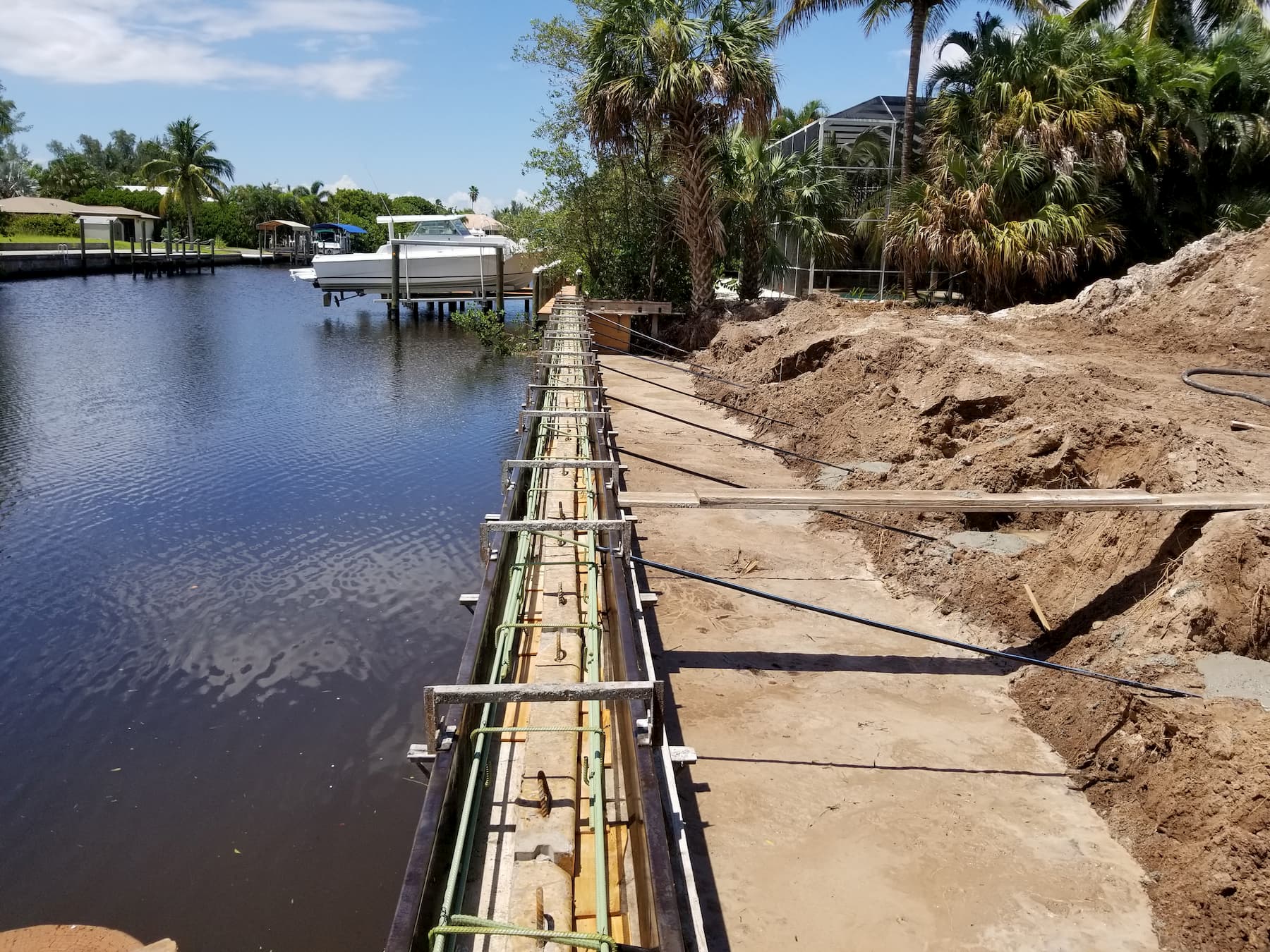
Erosion around seawalls in Southwest Florida can stem from a variety of environmental and structural factors. One primary contributor is storm exposure. Intense storms can create strong waves and currents that erode the soil behind a seawall, leading to washout and potential sinkholes. Additionally, the unique canal conditions in our region, including fluctuating water levels and saltwater intrusion, can exacerbate these issues, causing further deterioration of the soil and the seawall structure itself.
Another significant factor is drainage. Poor drainage can lead to excess water pooling behind the seawall, increasing hydrostatic pressure and causing soil loss. This pressure can also lead to wall movement, which may compromise the integrity of the seawall over time. Regular inspections are crucial to identify these drainage issues early, allowing for timely intervention before they escalate into more severe problems that require extensive seawall erosion repair.
Finally, structural issues such as cap damage or tieback stress can also contribute to erosion. The cap, which protects the top of the seawall, can suffer from wear over time, particularly in saltwater environments. If the cap is compromised, it can allow water to seep behind the wall, leading to erosion. Understanding these factors is essential for effective repair planning and ensuring the longevity of your seawall.
Request an Erosion Repair Estimate
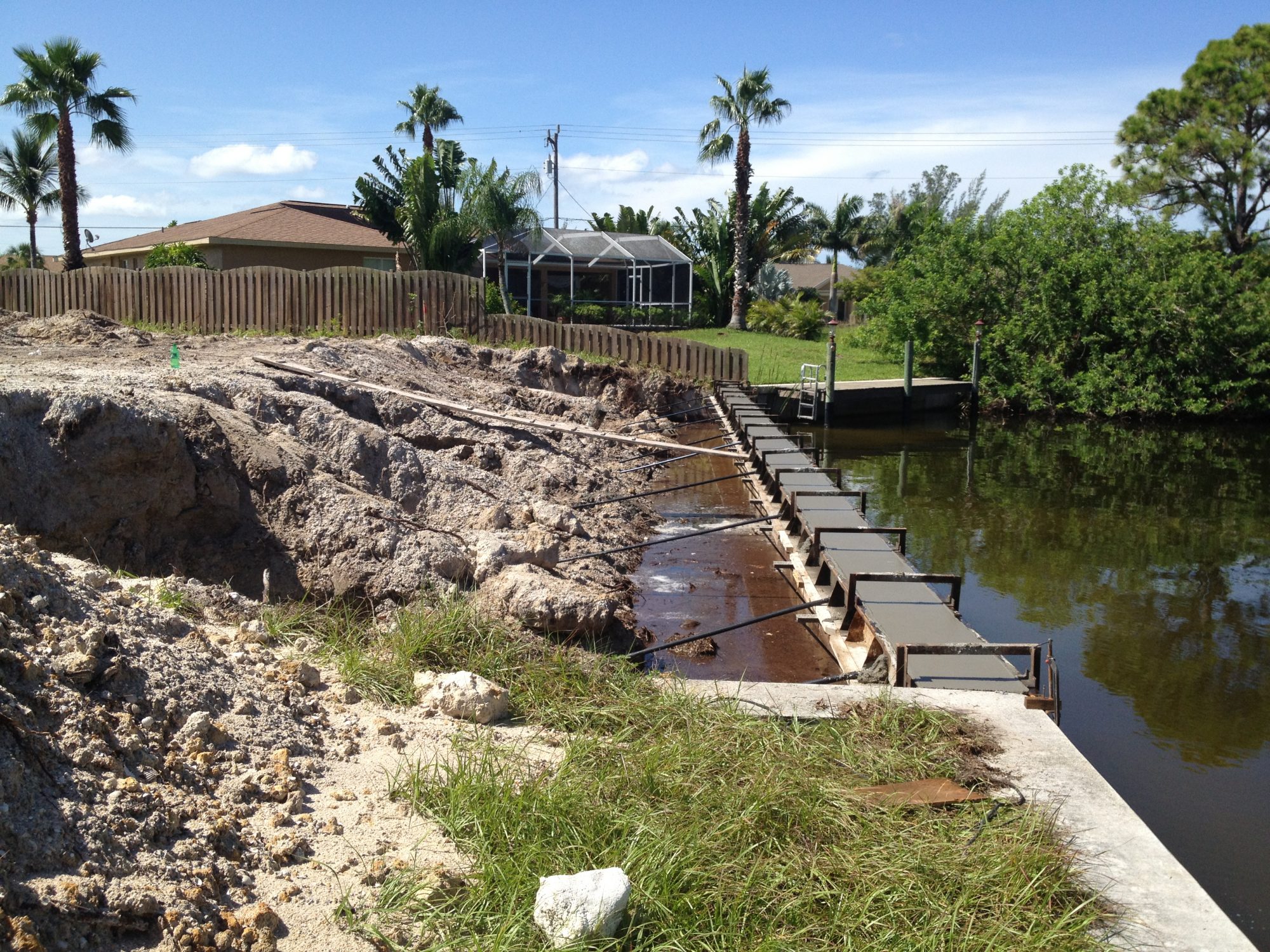
If you suspect your seawall is showing signs of erosion, it’s crucial to act quickly. The longer you wait, the more extensive the damage can become, potentially leading to costly repairs. At Honc Docks & Lifts, we understand the unique challenges faced by waterfront homeowners in Southwest Florida. Our team is equipped to provide a thorough inspection and detailed assessment of your seawall's condition. We’ll identify any issues related to soil loss, drainage problems, or wall movement that could compromise your property.
Reaching out for a free estimate is the first step in safeguarding your investment. We’ll evaluate the current state of your seawall and discuss the best options for repair. Our experienced professionals will explain the process, including any necessary permits and the expected timeline for completion. With our local expertise, we can navigate the permitting landscape efficiently, ensuring minimal disruption to your property and the surrounding environment.
Don't let erosion lead to more significant problems down the line. Contact us today to schedule your complimentary seawall erosion repair estimate. We’ll help you understand the necessary steps to restore your seawall’s integrity, ensuring it stands strong against the elements and protects your waterfront property for years to come.
Signs include soil loss, sinkholes, low spots near the cap, gaps behind the wall, washout after rain, or recurring erosion after storms.
It can. Erosion may point to drainage problems, open joints, wall movement, cap issues, tieback stress, or other conditions that need inspection.
Yes. Honc can review the seawall, soil conditions, drainage, cap, and nearby waterfront structures to help determine practical next steps.