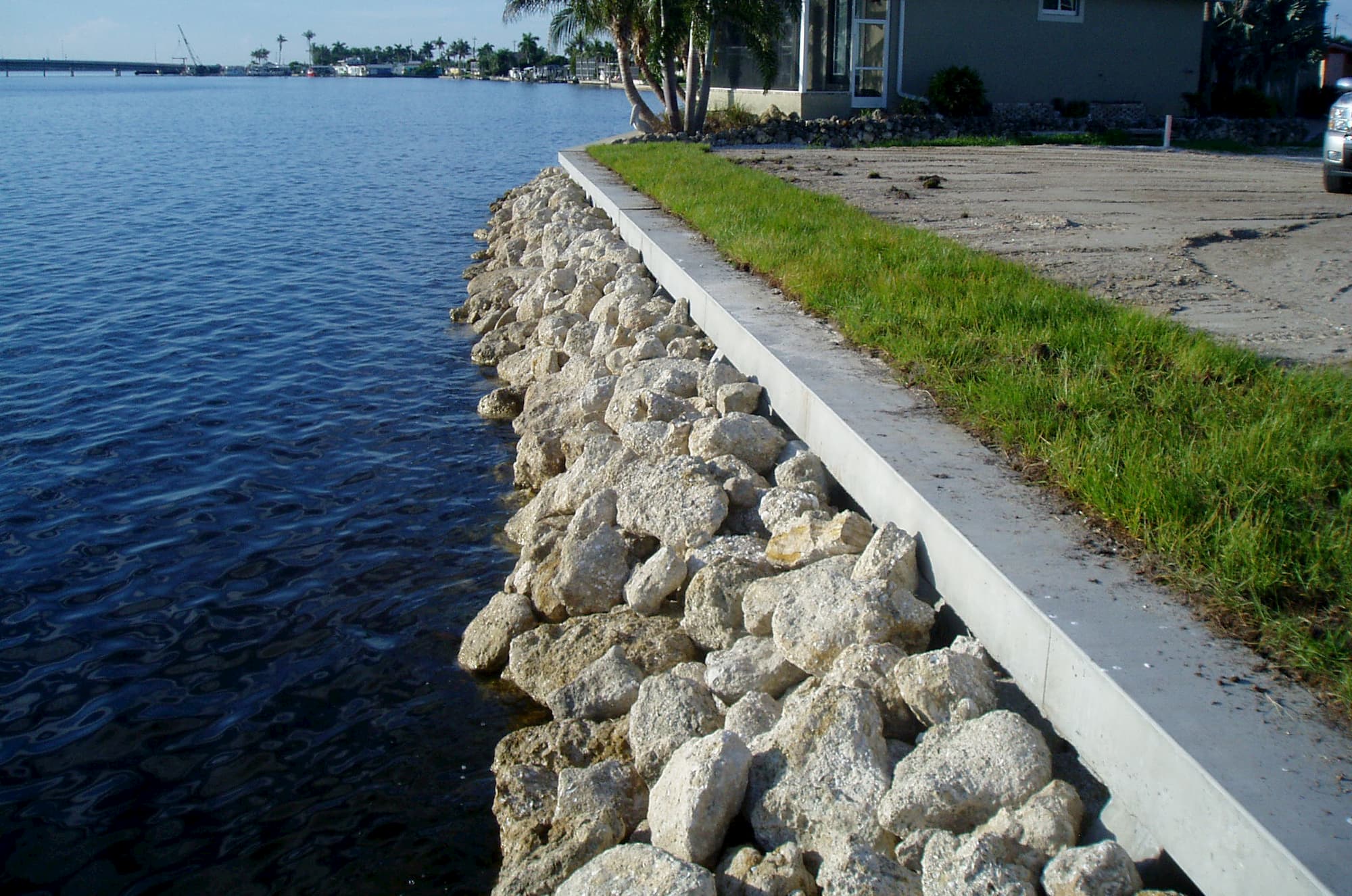
Understanding Seawall Functionality
Seawalls play a critical role in protecting waterfront properties from erosion and storm damage. In Southwest Florida, where heavy rains and tropical storms can quickly impact shoreline stability, understanding how your seawall functions is essential. These structures are designed to absorb wave energy and prevent soil loss behind them. However, over time, exposure to saltwater and shifting soil conditions can lead to wear and tear, making routine maintenance and timely repairs essential to preserving their integrity.
Homeowners and property managers should be vigilant for signs of distress in their seawalls. Common indicators include visible cracks, leaning sections, or soil erosion near the base. If you notice rust stains or areas that seem to be settling, it’s crucial to act quickly. A professional evaluation can help determine whether these issues are minor and can be addressed through maintenance or if they require more significant repair work. In many cases, catching these problems early can save you from the higher costs and disruptions associated with a complete seawall replacement down the line.
Common Warning Signs of Seawall Damage
As a waterfront property owner in Southwest Florida, being aware of the signs of seawall deterioration is crucial for protecting your investment. Look for visible cracks or leaning sections, as these can indicate structural issues. If you notice sinkholes forming near the base of your seawall or soil erosion around it, these are clear red flags that maintenance is needed. Rust stains on the wall or areas that seem to be settling can also signal that your seawall is under stress and may require immediate attention.
Ignoring these warning signs can lead to more significant problems down the line. Florida’s unique weather conditions, including heavy rains and storm surges, can exacerbate any existing damage, leading to costly repairs. Regular inspections are essential, especially after severe weather events. A professional evaluation will assess the seawall’s condition, focusing on drainage issues and the overall structural integrity. Timely maintenance and repairs can save you from the disruption and expense of a full seawall replacement, ensuring your property remains safe and accessible.
The Importance of Routine Seawall Inspections
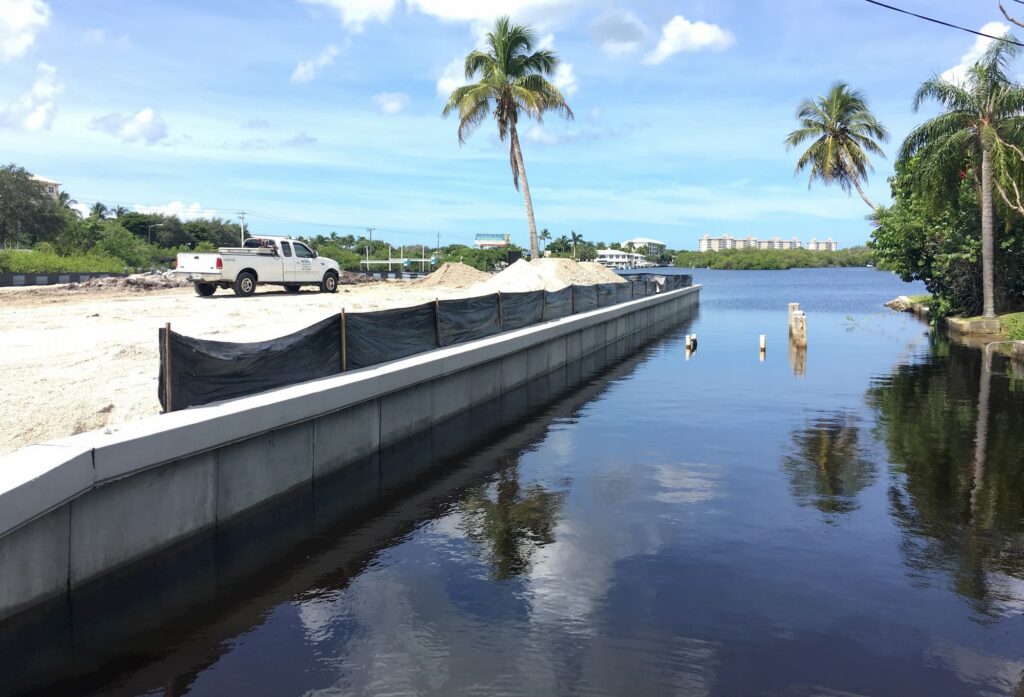
For waterfront property owners in Southwest Florida, maintaining the integrity of your seawall is crucial. Regular inspections can reveal early signs of wear such as cracks, erosion, or drainage issues that, if left unchecked, can escalate into significant structural problems. Given our unique coastal environment, factors like saltwater exposure and storm impacts can accelerate deterioration. A proactive approach not only protects your shoreline but also preserves your property’s usability and access to the water.
When you schedule a professional evaluation, experts will assess various elements of your seawall, including its alignment, stability, and any visible damage. They’ll look for signs of soil loss or leaning sections, which indicate that maintenance is needed. Addressing these small issues promptly can prevent costly repairs down the line. Remember, a well-maintained seawall not only safeguards your property but also enhances its value, making it a smart investment for any waterfront homeowner or community association in the area.
Seawall Maintenance: What to Expect
When it comes to maintaining your seawall, being proactive is key to avoiding costly repairs down the line. In Southwest Florida, where waterfront properties are constantly exposed to the elements, regular inspections can help identify early signs of wear, such as cracks or erosion. These minor issues can escalate quickly if left unaddressed, leading to significant structural damage that could compromise your shoreline stability. Our team at HONC Docks & Lifts understands the unique challenges posed by Florida’s weather, including heavy storms and saltwater exposure, which can accelerate wear and tear on your seawall.
A professional evaluation typically involves checking for common warning signs, including leaning sections and drainage problems. We also assess the soil conditions around your seawall, as soil loss can indicate deeper issues. If you notice rust stains or areas that appear to be settling, it’s time to reach out for a consultation. In many cases, targeted repairs can extend the life of your seawall without the need for complete replacement. We recommend scheduling inspections regularly, especially after major weather events, to ensure your seawall remains in good condition and continues to provide reliable access to your waterfront property.
When to Repair vs. Replace Your Seawall
As a waterfront property owner in Southwest Florida, understanding when to repair or replace your seawall is crucial for maintaining shoreline stability. If you notice cracks, leaning sections, or signs of erosion, it’s time to act. Small issues can escalate quickly, especially with the region’s unique weather patterns and saltwater exposure. Regular inspections can help identify these problems early, allowing for targeted repairs that can save you from the high costs and disruptions associated with a full replacement.
A professional evaluation typically includes assessing the seawall’s structural integrity, drainage capabilities, and the surrounding soil conditions. In many cases, if the damage is localized and the seawall’s overall structure remains sound, repairs can effectively restore its functionality. However, if you see extensive deterioration or if the wall has been compromised significantly, replacement might be the better option. Always consider the long-term implications of your decision, and remember that timely action can prevent further damage and preserve your property’s usability.
Impact of Florida Weather on Seawall Integrity
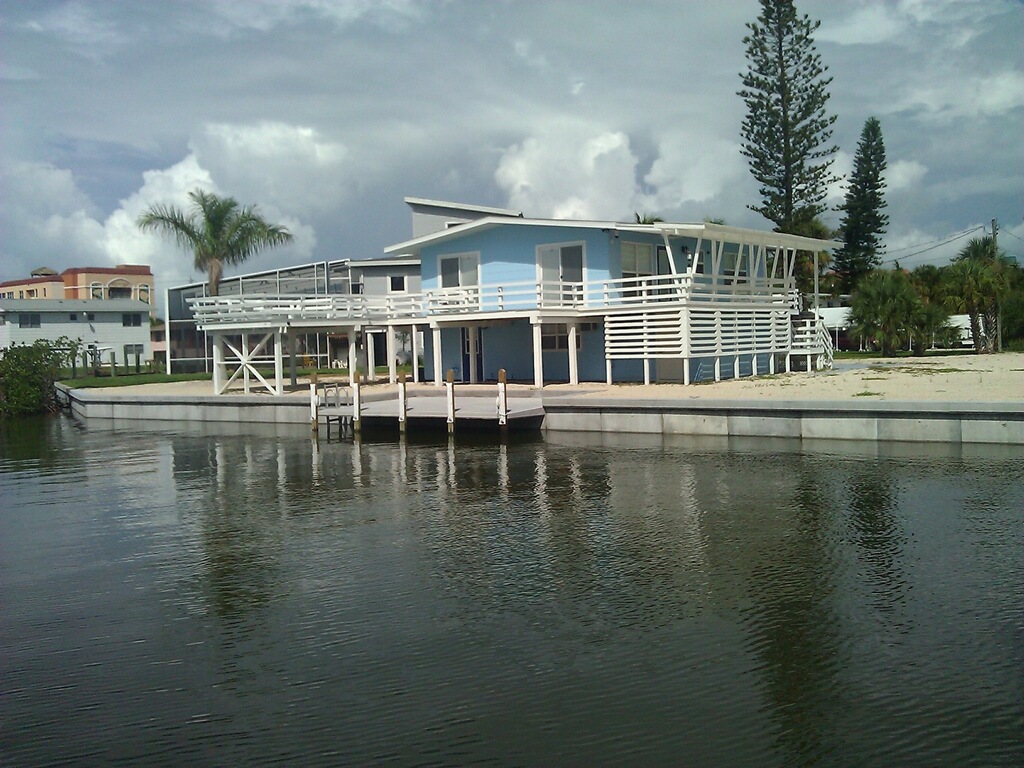
In Southwest Florida, the unique weather patterns can significantly affect the integrity of your seawall. With the region’s heavy rains, hurricanes, and high humidity, seawalls are constantly challenged by erosion and wear. The saltwater environment exacerbates these issues, leading to corrosion of materials and weakening of structural components. Homeowners often overlook minor signs of damage, but even small cracks can allow water to seep in, causing further deterioration. Regular inspections are crucial to catch these issues early and prevent costly repairs down the line.
Additionally, the shifting sands and soil conditions in our coastal areas can contribute to settlement and instability in seawalls. During storm events, waves can erode the base of the wall, leading to leaning or even collapse if not addressed promptly. A professional evaluation typically examines the wall’s condition, drainage systems, and surrounding landscape to identify potential vulnerabilities. By understanding how Florida’s weather impacts your seawall, you can take proactive steps to maintain its integrity and ensure the safety and usability of your waterfront property.
Professional Evaluation: What We Look For
When it comes to seawall maintenance and repair, a thorough professional evaluation is essential to understanding the condition of your structure. Our team at HONC Docks & Lifts examines key indicators such as cracks, erosion, and any signs of settlement that could compromise the integrity of your seawall. We pay close attention to the soil conditions around the wall, drainage issues, and the overall alignment of the structure. Given the unique challenges posed by Southwest Florida’s climate, including saltwater exposure and storm impacts, our evaluations are tailored to address these specific concerns.
During our inspection, we also consider the seawall’s construction materials and their durability against marine conditions. We look for rust stains, which can indicate corrosion, and assess how well the seawall is holding up against the relentless forces of nature. By identifying early warning signs, we can recommend timely maintenance or targeted repairs that prevent more extensive damage down the line. In many cases, a small issue can escalate quickly if left unaddressed, leading to costly repairs or even the need for a full replacement.
Our goal is to help you maintain your waterfront property’s stability and usability for years to come.
Cost-Effective Solutions for Seawall Issues
In Southwest Florida, the unique challenges posed by our coastal environment can lead to significant wear and tear on seawalls. Homeowners and property managers often notice cracks, leaning sections, or even soil loss around their seawalls, signaling that maintenance and repair should not be overlooked. Addressing these issues early through routine inspections can prevent more extensive damage and costly repairs down the line. A professional evaluation will assess the condition of your seawall, taking into account factors like storm impacts and saltwater exposure that can accelerate deterioration.
Regular maintenance is essential for preserving the integrity of your seawall. Small issues, if left unattended, can escalate into major repairs that require more time and resources. By investing in timely maintenance, you not only protect your shoreline stability but also ensure that your property remains usable and accessible. When we conduct inspections, we look for common warning signs such as drainage problems and rust stains, which can indicate underlying issues that need immediate attention.
In many cases, targeted repairs can restore your seawall’s functionality without the need for a complete replacement, saving you time and money in the long run.
Requesting a Seawall Inspection or Repair Consultation
As a waterfront property owner in Southwest Florida, keeping an eye on your seawall is crucial for maintaining the integrity of your shoreline. If you’ve noticed any cracks, leaning sections, or soil erosion, it’s time to consider a professional inspection. Our team at HONC Docks & Lifts is here to help you assess the condition of your seawall and determine the best course of action. A timely consultation can prevent small issues from escalating into costly repairs later on.
When you reach out for a seawall inspection, our experienced contractors will evaluate various factors, including drainage patterns and signs of wear due to saltwater exposure. Florida’s weather can be unforgiving, with storms and high tides taking their toll on marine structures. By addressing potential problems early, you can preserve the usability of your property and protect your investment. Don’t wait until it’s too late—contact us today to schedule your seawall consultation and ensure your waterfront property remains safe and functional.
FAQs About Seawall Maintenance and Repair
Understanding the signs that your seawall needs attention is crucial for maintaining the integrity of your waterfront property. Common warning signs include visible cracks, leaning sections, and even sinkholes appearing near the wall. If you notice soil loss or drainage problems, it’s time to consult a professional. Rust stains and areas that seem to be settling are also indicators that maintenance or repair may be necessary. A thorough inspection by an experienced contractor can help determine the best course of action, whether it’s minor repairs or more extensive work.
Regular upkeep of your seawall is not just a good idea; it’s essential for preserving shoreline stability. In our humid Southwest Florida climate, seawalls face unique challenges from saltwater exposure and storm impacts. By addressing minor wear and tear early, you can prevent more significant issues that could lead to costly repairs down the line. A proactive approach to maintenance helps keep your property usable and reduces the risk of major disruptions caused by extensive damage.
Many homeowners wonder if a damaged seawall can be repaired instead of replaced. The answer is often yes, depending on the extent of the damage and the wall’s overall condition. A professional evaluation will take into account the cause of the deterioration and the necessary steps to restore the seawall’s functionality. In many cases, targeted repairs can extend the life of your seawall significantly, making it a more cost-effective solution compared to a full replacement.
As for how often you should schedule inspections, it really depends on various factors like the age of your seawall, recent weather events, and visible signs of damage. Many property owners in our area benefit from regular inspections, especially after major storms. Keeping an eye on your seawall’s condition can save you from unexpected repairs and ensure your waterfront property remains safe and accessible.
Common warning signs include cracks, leaning sections, sinkholes near the wall, soil loss, drainage problems, rust stains, or areas that appear to be settling. A professional inspection can confirm whether maintenance, targeted repair, or replacement is the right next step.
Regular maintenance helps catch small problems before they spread. Addressing early wear can help protect shoreline stability, reduce the chance of more extensive damage, and keep future repair work more manageable.
In many cases, yes. The best approach depends on the wall’s condition, the cause of the damage, and how far the deterioration has progressed. A site visit helps determine whether repair will solve the problem or whether replacement should be considered.
Inspection frequency depends on the age of the seawall, waterfront conditions, recent storms, and visible signs of wear. Many property owners benefit from periodic inspections and a prompt review after major weather events.
Why Seawall Maintenance and Repair Matters for Waterfront Properties should be planned around the condition of the waterfront, the exposure to saltwater and storms, and the long-term performance of the materials being used. A careful review of the site helps determine whether the project needs repair, replacement, permitting support, or a more durable construction approach.
Understanding Seawall Functionality can influence the materials, access requirements, scheduling, and level of structural work involved. For waterfront properties, the right scope depends on how the dock, lift, seawall, or shoreline system is currently performing and what needs to be protected over time.
Local experience matters because Southwest Florida waterfront projects face saltwater corrosion, permitting requirements, storm exposure, tidal conditions, and site-specific access constraints. A contractor familiar with these conditions can recommend details that hold up better and reduce avoidable delays.
Seawall Maintenance: What to Expect helps protect the investment after construction or repair work is finished. Regular inspections, timely service, and attention to fasteners, decking, pilings, lifts, and seawalls can prevent small issues from becoming expensive structural problems.
Owners should compare options based on structural durability, marine-grade materials, permitting knowledge, communication, and the contractor’s experience with similar waterfront properties. The lowest upfront option is not always the best long-term value in a harsh coastal environment.