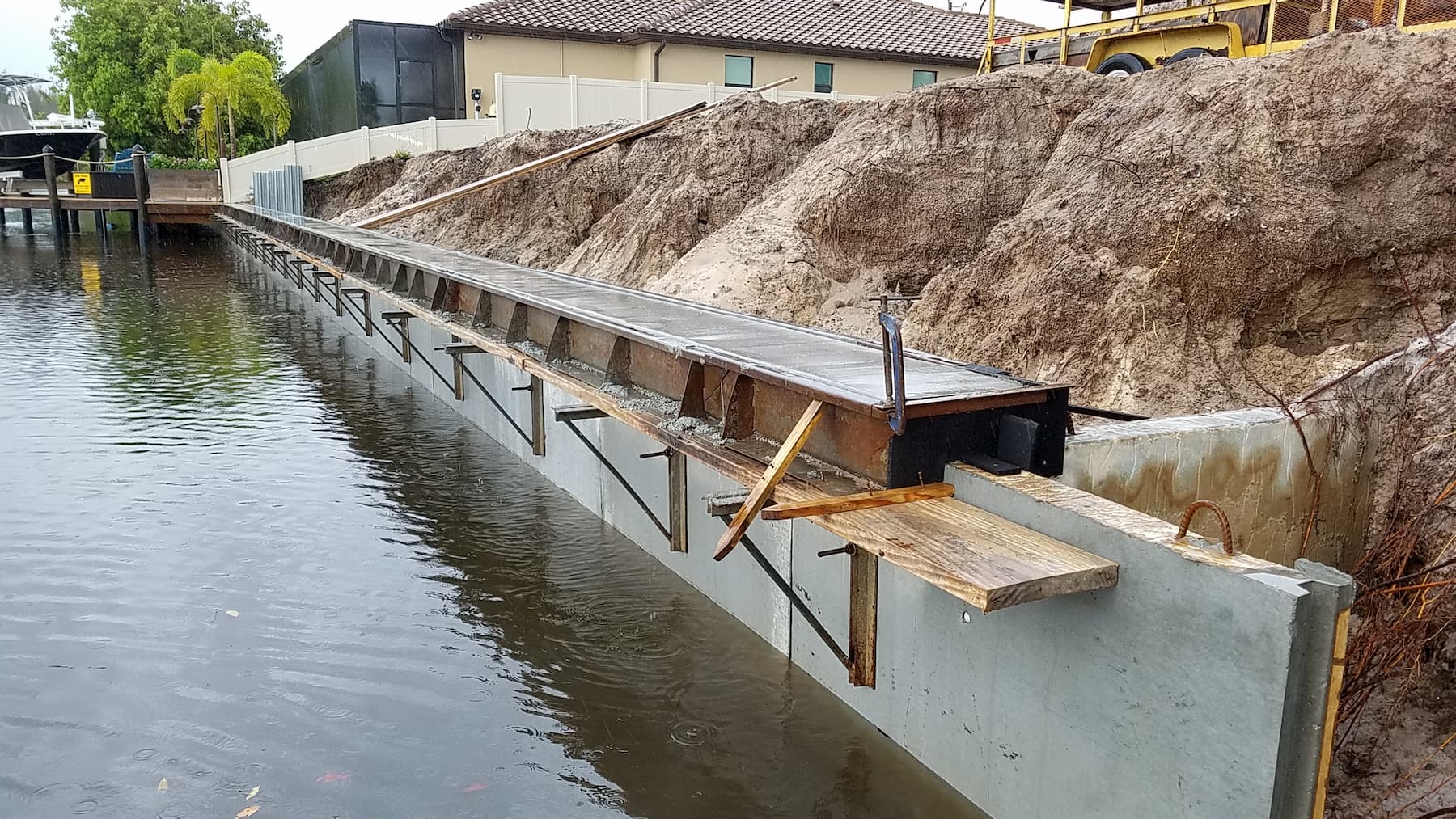
Planning a New Seawall
When considering a new seawall, the first step is to assess your property's specific needs. Factors like existing shoreline conditions, potential erosion, and storm exposure will influence your decision. In Southwest Florida, where saltwater can accelerate deterioration, planning for durable, marine-grade materials is essential. A well-constructed seawall not only protects your property but also enhances the overall aesthetics of your waterfront.
Consulting with a marine construction contractor can provide valuable insights into the appropriate design and materials for your seawall. Local regulations and permitting processes can be complex, so having an expert guide you through these requirements can save time and prevent costly mistakes. Additionally, understanding site-specific conditions such as soil type and water depth will help ensure that your seawall is built to withstand the unique challenges of the area.
Homeowners should also consider how their new seawall will integrate with other waterfront features, such as docks or boat lifts. Coordination between these elements is crucial for maximizing functionality and maintaining structural integrity. By addressing these factors early in the planning process, you can create a cohesive waterfront that meets both aesthetic and practical needs.
Site Conditions That Shape Construction
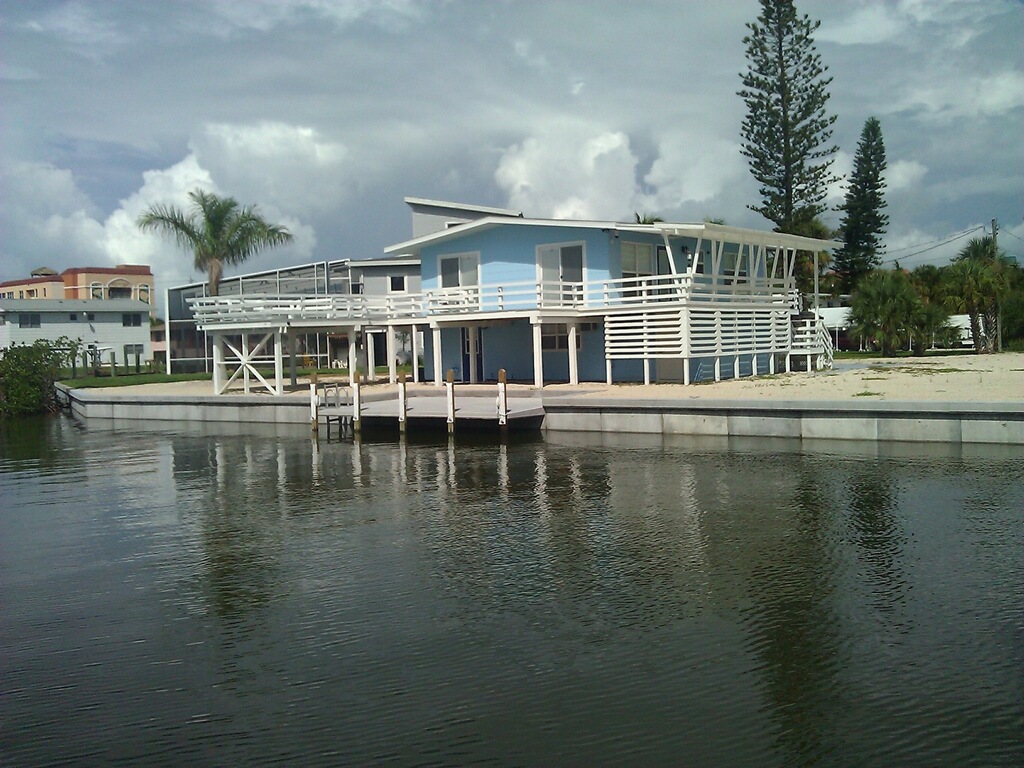
The physical characteristics of your site play a significant role in seawall construction. Factors such as soil composition, drainage patterns, and existing vegetation must be carefully evaluated. For instance, sandy soils may require different anchoring methods compared to clay-based soils. Understanding these conditions allows for tailored construction techniques that enhance stability and longevity.
In addition to soil conditions, water levels can fluctuate significantly in Southwest Florida, particularly during storm seasons. Low-water conditions may limit access for heavy equipment during construction, necessitating careful scheduling and site preparation. Furthermore, high tides or storm surges can impact the construction timeline and methods used, making it essential to work with experienced contractors familiar with local conditions.
Another critical aspect is assessing the potential for storm damage over time. Your seawall must be designed to withstand extreme weather events common in our region. This includes selecting materials that resist corrosion from saltwater exposure and ensuring proper drainage to prevent water buildup behind the wall. By prioritizing these considerations, you can create a robust barrier that protects your property for years to come.
Seawall Materials and Design Choices
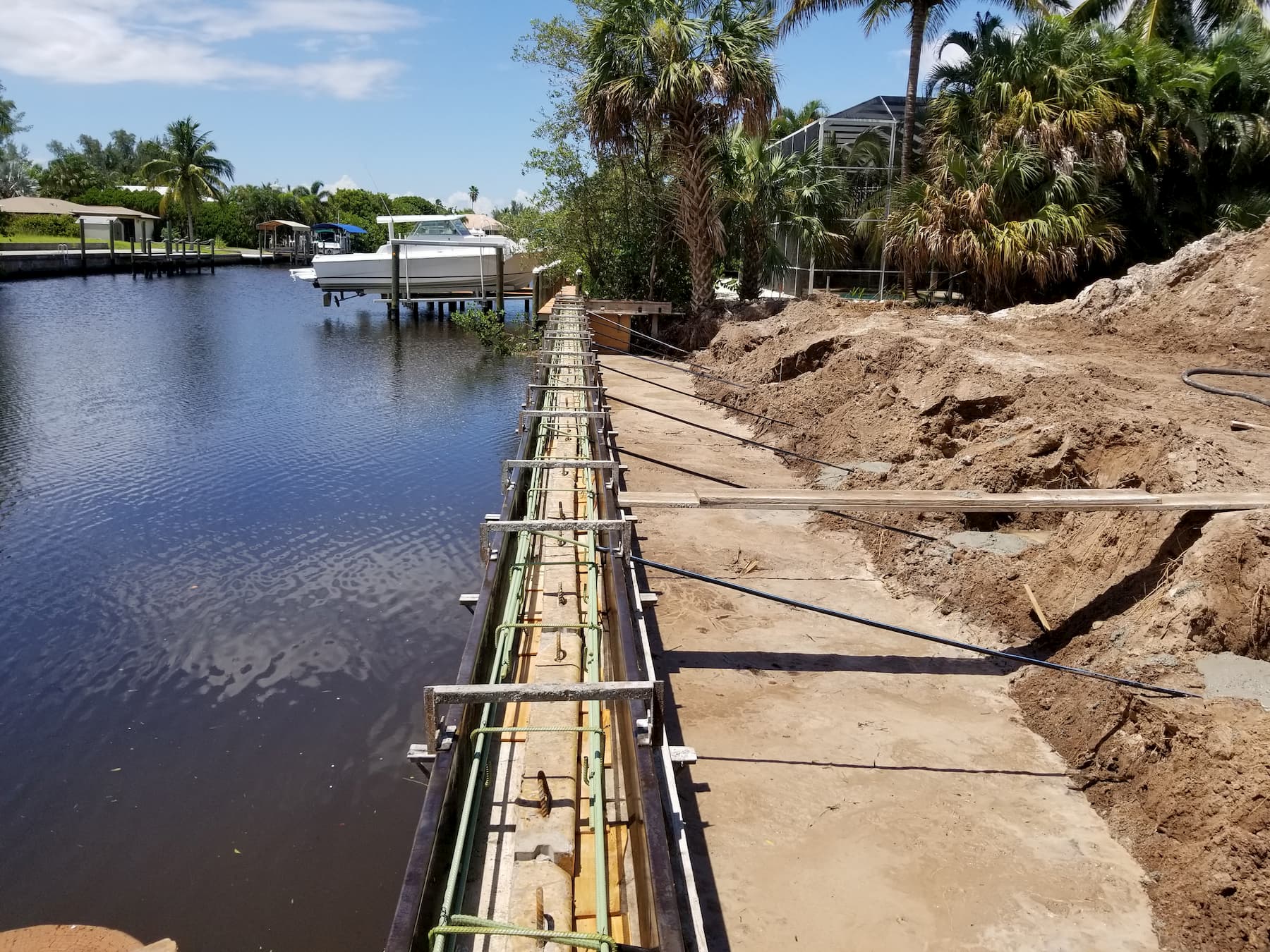
Choosing the right materials is fundamental to the success of any seawall project. Marine-grade concrete is often favored for its durability and resistance to saltwater corrosion. Other options include vinyl and aluminum systems that offer flexibility in design while providing adequate protection against erosion. Each material has its advantages and disadvantages based on local environmental factors, so discussing these options with a contractor is crucial.
Design choices also play a significant role in functionality and aesthetics. For example, some homeowners opt for curved designs that blend seamlessly with natural landscapes, while others may prefer straight walls for maximum protection against waves. Additionally, incorporating features like capstones or decorative finishes can enhance visual appeal without compromising structural integrity.
It's also important to consider long-term maintenance when selecting materials and designs. Some options may require more frequent upkeep than others due to wear from environmental factors or physical impacts from boats or debris. By discussing maintenance expectations upfront, you can choose a solution that aligns with your lifestyle and budget.
Permitting and Project Coordination
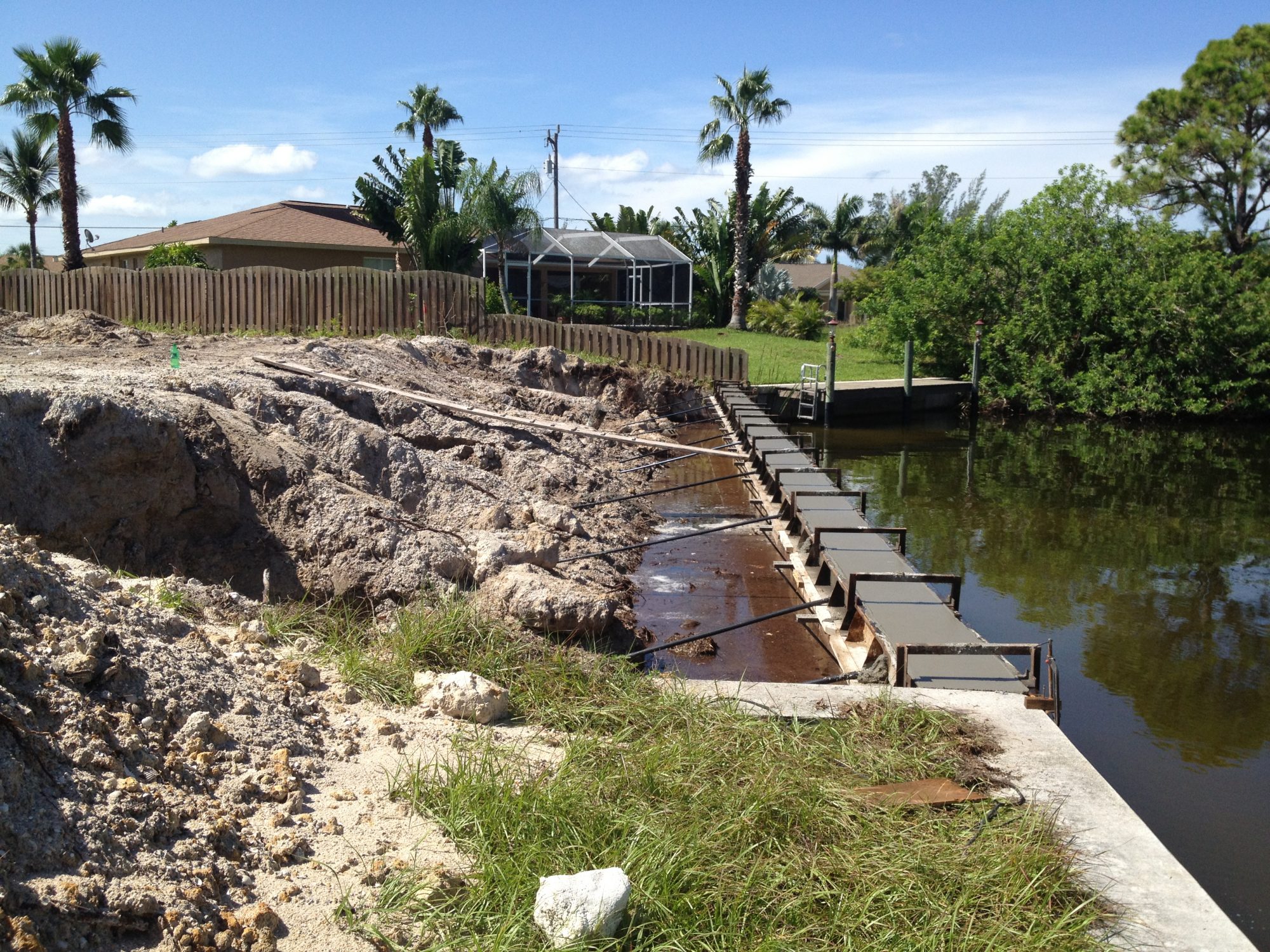
Navigating the permitting process is one of the most critical steps in seawall construction. In Southwest Florida, various local regulations govern marine construction projects to protect both property owners and the environment. Engaging with a contractor who understands these regulations can streamline the process significantly, ensuring all necessary permits are obtained before work begins.
Project coordination extends beyond just obtaining permits; it involves managing timelines and resources effectively. Delays can occur due to factors such as weather conditions or inspections by local authorities. A reliable contractor will proactively communicate any changes or challenges that arise during construction, keeping you informed every step of the way.
Additionally, if your project includes other marine features like docks or boat lifts, coordinating these installations with your seawall construction is essential for efficiency. This integrated approach minimizes disruptions and ensures that all elements work harmoniously together once completed.
New construction may be needed for undeveloped waterfront, failing shoreline protection, major storm damage, or when an existing wall is beyond practical repair.
Water depth, soil conditions, exposure, drainage, access, neighboring structures, materials, and permitting requirements can all affect the final design.
Yes. Seawall planning can be coordinated with related marine construction needs such as docks, lifts, and waterfront access improvements.