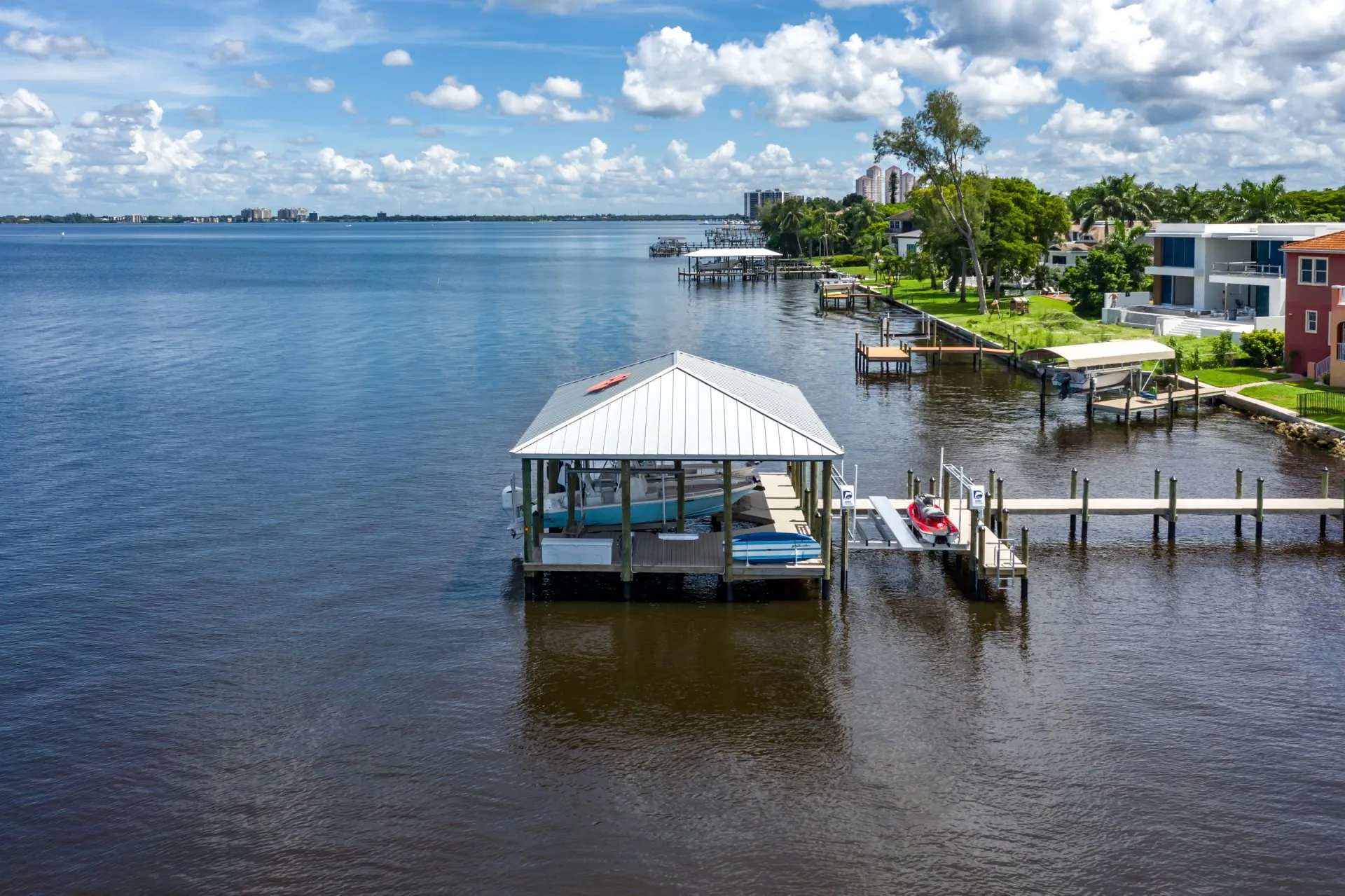
Understanding Waterfront Conditions
When planning your dock in Fort Myers, it’s crucial to understand how the unique waterfront conditions impact your design choices. Saltwater exposure presents different challenges compared to riverfront properties. For instance, saltwater can accelerate corrosion, meaning you’ll need to consider marine-grade materials that withstand these harsher conditions. On the other hand, riverfront properties may face fluctuating water levels and varying currents, which can affect the stability and longevity of your dock. These factors directly influence how you approach your fort myers waterfront dock planning.
Water movement is another critical element to consider. In saltwater environments, wave action can be more aggressive, requiring a robust dock design to handle the stress. Conversely, riverfront docks might need to accommodate debris and sediment buildup, which can impact access and usability. Additionally, the layout of your property plays a significant role in determining the best dock placement. Custom dock planning ensures that your structure complements your vessel’s needs while considering the realities of permitting delays and potential storm impacts in our region. For tailored solutions, reach out for a consultation to discuss your specific waterfront conditions.
Impact of Saltwater Exposure on Dock Design
When planning your dock in Fort Myers, understanding the impact of saltwater exposure is crucial. Saltwater environments present unique challenges, including increased corrosion risks and the need for durable materials. Marine-grade aluminum and treated wood are often recommended to withstand these harsh conditions. Additionally, the design must consider water movement and storm impacts, which can affect stability and safety. Homeowners should also be aware of permitting delays that can arise from specific waterfront conditions, making early planning essential.
Water movement and exposure also play significant roles in boat lift planning. Saltwater properties often experience different tidal patterns and currents compared to riverfront locations. This variability can influence the depth and access requirements for your lift, ensuring it functions effectively for your specific boating habits. Custom dock planning is not just about aesthetics; it’s about creating a structure that works harmoniously with its environment. By focusing on these factors, you can ensure your dock is not only beautiful but also practical and long-lasting.
Considerations for Riverfront Dock Planning

When planning a dock for your riverfront property, understanding the unique waterfront conditions is crucial. The type of water movement, potential for erosion, and exposure to elements can all influence your design choices. For instance, river currents can vary significantly, impacting how your dock interacts with the water. You’ll want to consider the depth and flow patterns to ensure that your dock remains stable and functional, especially during storm events or seasonal changes. This is where fort myers waterfront dock planning becomes essential, as local conditions dictate specific requirements for materials and construction methods.
Material selection is another key aspect of dock planning. Riverfront properties may not face the same level of saltwater corrosion as coastal locations, but they still require durable materials that can withstand occasional flooding and debris. Marine-grade wood, composite materials, and galvanized hardware can provide longevity and reduce maintenance needs. Additionally, custom layouts tailored to your property’s unique features can enhance usability, ensuring that your dock meets your boating habits and lifestyle. Engaging with a marine contractor experienced in local conditions can help you navigate these considerations effectively.
Corrosion Resistance: Material Choices for Docks
When planning your dock in Fort Myers, understanding the local waterfront conditions is crucial. Saltwater exposure can significantly impact the materials you choose. For instance, marine-grade aluminum and treated hardwoods are often preferred for their durability against corrosion. In contrast, riverfront docks may allow for a broader range of materials, but you still need to consider the specific water movement and potential debris that can affect longevity. Using the right materials not only ensures your dock stands the test of time but also minimizes maintenance needs down the line.
Additionally, the design of your dock should take into account water movement and boat lift planning. Saltwater environments can lead to harsher wear patterns, so it’s essential to incorporate features that enhance stability and support. This might mean opting for deeper pilings or reinforced structures. For riverfront properties, custom dock planning can still yield significant benefits, aligning the layout with your property’s unique characteristics and your boating habits. Proper planning now can save you headaches later, ensuring you have a functional and resilient waterfront structure.
Water Movement and Its Effect on Dock Stability
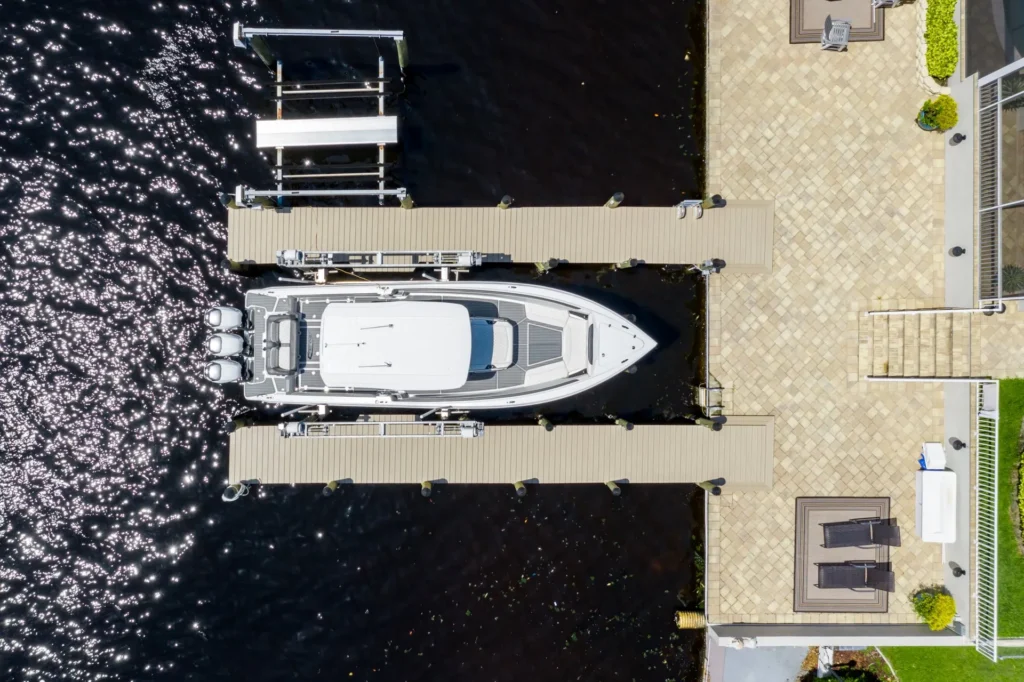
When planning a dock in Fort Myers, understanding the impact of water movement is crucial for ensuring stability and longevity. In saltwater environments, docks face unique challenges, such as higher corrosion rates due to salt exposure. This necessitates the use of marine-grade materials and protective coatings to withstand the harsh conditions. Riverfront properties, while less corrosive, still require careful consideration of water flow and sedimentation patterns that can affect dock design and placement. Homeowners must account for seasonal changes in water levels and potential storm impacts that could alter the landscape.
Additionally, the type of water movement influences boat lift planning. For instance, properties with strong tidal currents or heavy boat traffic may require more robust lift systems to ensure safe and reliable operation. It’s essential to consider the specific depth and access issues of your waterfront when selecting a lift. Custom dock planning can help homeowners tailor their projects to meet the unique demands of their location, ensuring that both the dock and lift function effectively for years to come. Engaging with a local marine contractor can provide valuable insights into the best practices for fort myers waterfront dock planning.
Planning Boat Lifts for Different Waterfronts
When considering fort myers waterfront dock planning, it’s crucial to understand how the unique conditions of your waterfront can impact your dock and boat lift design. Saltwater environments, for instance, present specific challenges such as increased corrosion risk. This means using marine-grade materials that can withstand harsh conditions is essential. The water movement in saltwater areas can also affect dock stability and the type of boat lift required. Homeowners should anticipate more frequent maintenance due to the wear patterns saltwater can cause, which might not be as pronounced in riverfront settings.
On the other hand, riverfront properties offer their own set of considerations. While they may not face the same level of corrosion, factors like fluctuating water levels and strong currents can influence dock layout and lift planning. Custom designs that account for these variables ensure that your dock remains functional and safe throughout the year. Additionally, riverfront homeowners should think about how their dock integrates with their property’s layout, ensuring easy access for boating while also considering any local permitting requirements. Consulting with a local marine contractor can help navigate these complexities effectively.
Maintenance Expectations for Saltwater vs Riverfront Docks

When planning your dock in Fort Myers, understanding the differences in maintenance expectations between saltwater and riverfront docks is crucial. Saltwater environments can be harsher on materials due to higher corrosion rates and salt exposure. This means that when selecting materials for your dock, you should prioritize marine-grade options that resist wear and tear from the elements. Regular inspections and maintenance plans are essential to ensure longevity, especially for saltwater docks where marine growth and corrosion can significantly impact structural integrity.
On the other hand, riverfront docks face their own unique challenges. While they may not experience the same level of corrosion, factors such as fluctuating water levels, sediment buildup, and varying water flow can affect stability and usability. Homeowners should consider how these conditions influence dock design, including the choice of materials and the layout. A well-planned dock not only enhances your waterfront experience but also aligns with your property’s specific needs, ensuring you have the right setup for your boating activities and lifestyle.
Custom Dock Layouts for Unique Property Features
When planning a dock in Fort Myers, understanding your waterfront conditions is crucial. Saltwater and riverfront environments present distinct challenges that affect your dock’s design and materials. For saltwater-exposed properties, the risk of corrosion is higher, necessitating the use of marine-grade materials that can withstand harsh conditions. This means considering not just the aesthetics but also the long-term durability of your dock. On the other hand, riverfront properties may face different water movement patterns and sedimentation issues, which can influence the dock’s structural integrity and maintenance needs.
Water movement plays a significant role in dock planning. In saltwater areas, the constant ebb and flow can impact boat lift setups, requiring careful consideration of depth and access. For riverfront properties, the current and potential debris can affect how your dock is anchored and supported. Homeowners should also think about how their property layout interacts with these factors, as the right design can enhance usability and safety. If you’re looking to optimize your waterfront experience, consulting with a local contractor can help you navigate these complexities and ensure your dock is tailored to your specific needs.
Consultation and Planning Services for Fort Myers Homeowners
When it comes to fort myers waterfront dock planning, understanding the local conditions is crucial. Saltwater exposure can lead to increased corrosion risks, necessitating the use of marine-grade materials designed to withstand harsher environments. This means that for homeowners with saltwater access, selecting the right materials and designs is vital. Whether you’re considering a new dock or an upgrade, we can help you navigate the specifics of your waterfront property, ensuring that your dock not only looks great but also stands the test of time against the elements.
On the other hand, riverfront properties present their own set of challenges and benefits. While they may not face the same level of corrosion as saltwater docks, factors like water movement and seasonal fluctuations can impact design and functionality. Custom dock planning is essential here, as it allows for tailored solutions that consider your boat lift needs, access points, and the unique layout of your property. Our team is experienced in addressing these variables, ensuring that your dock serves your lifestyle and boating habits effectively.
We understand that planning a dock is more than just construction; it’s about creating a space that enhances your waterfront experience. Our consultations focus on practical solutions that take into account permitting challenges, site preparation, and maintenance expectations. Whether you’re looking for a new dock, boat lift, or maintenance plan, we’re here to assist you every step of the way. Contact us today to discuss your project and ensure your waterfront investment is built right.
Water movement, exposure, corrosion risk, boating use, and property layout can all shape the right dock and lift decisions.
They often benefit from stronger attention to corrosion resistance and long-term durability because of harsher marine conditions.
Yes. Riverfront properties still need layouts and materials that fit the property, vessel, and day-to-day use.
Yes. Depth, access, exposure, and boat habits all influence the right lift design and setup.
Saltwater vs Riverfront Docks in Fort Myers | HONC Docks & Lifts should be planned around the condition of the waterfront, the exposure to saltwater and storms, and the long-term performance of the materials being used. A careful review of the site helps determine whether the project needs repair, replacement, permitting support, or a more durable construction approach.
Understanding Waterfront Conditions can influence the materials, access requirements, scheduling, and level of structural work involved. For waterfront properties, the right scope depends on how the dock, lift, seawall, or shoreline system is currently performing and what needs to be protected over time.
Local experience matters because Southwest Florida waterfront projects face saltwater corrosion, permitting requirements, storm exposure, tidal conditions, and site-specific access constraints. A contractor familiar with these conditions can recommend details that hold up better and reduce avoidable delays.
Impact of Saltwater Exposure on Dock Design helps protect the investment after construction or repair work is finished. Regular inspections, timely service, and attention to fasteners, decking, pilings, lifts, and seawalls can prevent small issues from becoming expensive structural problems.
Owners should compare options based on structural durability, marine-grade materials, permitting knowledge, communication, and the contractor’s experience with similar waterfront properties. The lowest upfront option is not always the best long-term value in a harsh coastal environment.