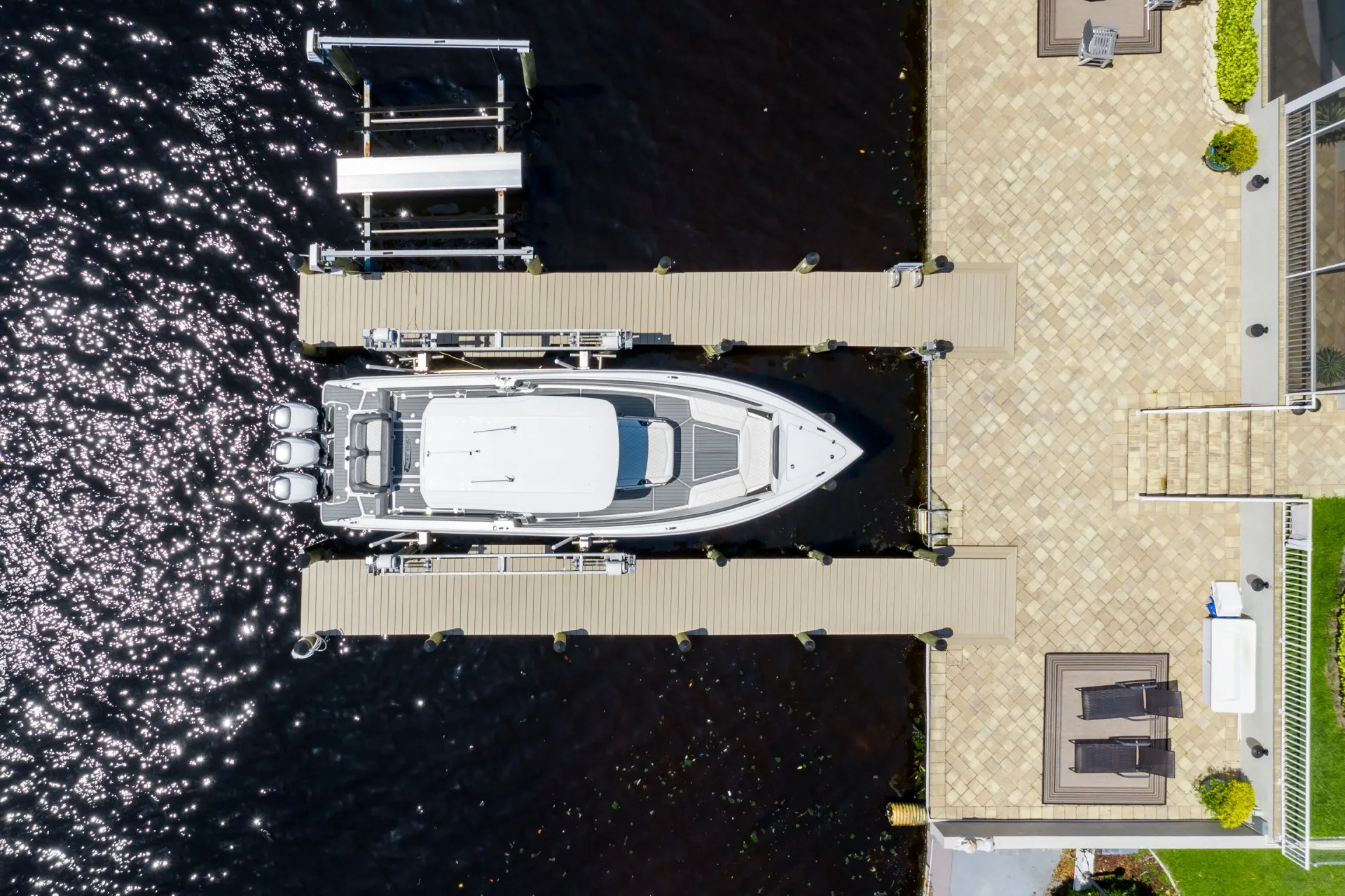
Understanding the Dock and Boat Lift Permit Process in Port Charlotte
When planning a dock or boat lift project in Port Charlotte, it’s crucial to understand the local permitting process. Not all projects follow the same approval path; some may require additional scrutiny based on site conditions or project scope. For instance, if your property is situated along a narrow canal or has specific shoreline characteristics, these factors can complicate the permitting process. Homeowners should familiarize themselves with Charlotte County’s guidelines and ensure they have the necessary documentation before starting any work.
Site conditions play a significant role in project planning. Factors such as canal width, existing structures, and the size of your vessel can dictate the best approach for your dock or lift installation. For example, if your boat is larger than average, you may need to adjust your plans to ensure safe access and compliance with local regulations. Additionally, if you’re considering repairs or replacements, keep in mind that even minor changes can impact your permit requirements. It’s always wise to consult with an experienced marine contractor who understands the local landscape and can help navigate these complexities.
Before meeting with a contractor, homeowners should prepare a list of questions to ensure they cover all necessary aspects. Ask about the specific requirements for your property, the expected timeline for permits, and how site conditions might affect your project. An experienced local contractor can help streamline the process, ensuring you meet all county and agency requirements. If you’re ready to discuss your waterfront project, consider reaching out to Honc Docks & Lifts for a site evaluation and planning conversation.
Why Some Projects Are Simpler Than Others
When it comes to dock and boat lift projects in Port Charlotte, not all endeavors are created equal. Factors such as site conditions, existing structures, and the specific layout of your waterfront can significantly influence the complexity of your project. For instance, if your property has a straightforward access point and minimal existing obstructions, you may find that obtaining the necessary permits is a more streamlined process. Conversely, properties situated on narrow canals or those with challenging shoreline conditions might face additional scrutiny from local permitting authorities, which can lead to delays.
Understanding the nuances of your site is crucial. The dimensions of your vessel, the width of the canal, and any existing dock or lift setups can dictate what modifications are feasible. Homeowners should be aware that even minor changes in layout or size can trigger a reevaluation of the project’s permitting requirements. Therefore, it’s essential to consult with an experienced marine contractor who can navigate these complexities and help you plan effectively. By doing so, you’ll not only save time but also ensure compliance with Charlotte County’s residential dock and boat lift permit processes.
The Importance of Site Conditions for Your Project
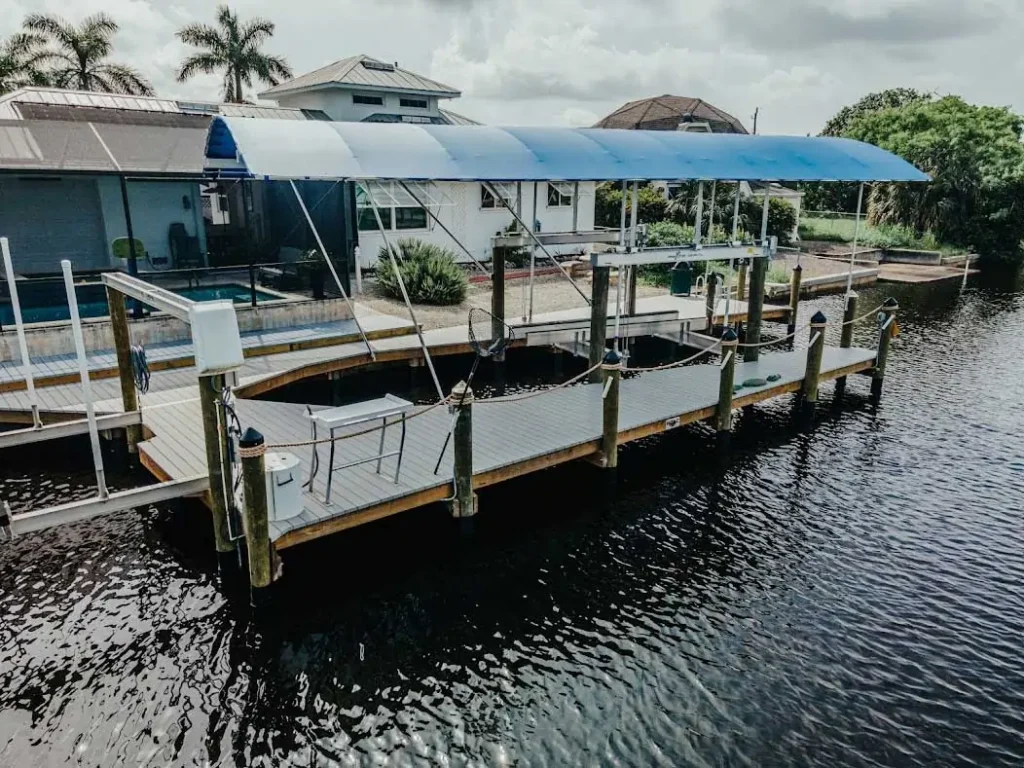
When considering a dock or boat lift in Port Charlotte, understanding your site conditions is crucial. Each waterfront property presents unique challenges, from the width of the canal to the shoreline’s stability. Factors such as existing structures, water depth, and even the type of vessels you plan to accommodate can significantly influence your project’s design and permitting process. For instance, if your property has a narrow canal, it may limit the size and type of dock you can install, requiring careful planning to ensure compliance with local regulations.
Additionally, the condition of your site can affect the materials and construction techniques you will need to use. Saltwater can cause wear on less durable materials, so opting for marine-grade options is essential for longevity. Moreover, if your project involves repairs or replacements, changes in layout or size may necessitate a reevaluation of your permit requirements. This is why consulting with an experienced local contractor is advisable; they can help navigate the complexities of the permitting process and ensure that your project aligns with Charlotte County’s regulations.
Don’t hesitate to reach out for a site evaluation and planning conversation before you start your waterfront project.
Planning Around Canal Layout and Existing Structures
When considering a dock or boat lift project in Port Charlotte, understanding the canal layout and existing structures is crucial. Each waterway has its own unique characteristics, such as width, depth, and current, which can significantly influence the design and permitting process. Homeowners should assess how these factors interact with their intended project. For instance, a wider canal may allow for more flexibility in dock placement, while a narrow canal could impose restrictions that necessitate a more creative approach to design.
Additionally, existing structures like neighboring docks, seawalls, and boat lifts can impact your project’s feasibility. It’s essential to evaluate how these elements align with Charlotte County’s permitting requirements. Changes to your dock’s layout or size can trigger a more extensive review process, especially if they affect navigability or the overall aesthetics of the waterfront. Engaging with an experienced marine contractor can help you navigate these complexities, ensuring that your project adheres to local regulations while meeting your needs.
Before meeting with a contractor, consider questions about site conditions, potential impacts on neighboring properties, and the specific requirements for your project type. This preparation can streamline the planning process and help you avoid potential delays.
Key Questions to Ask Before Hiring a Contractor
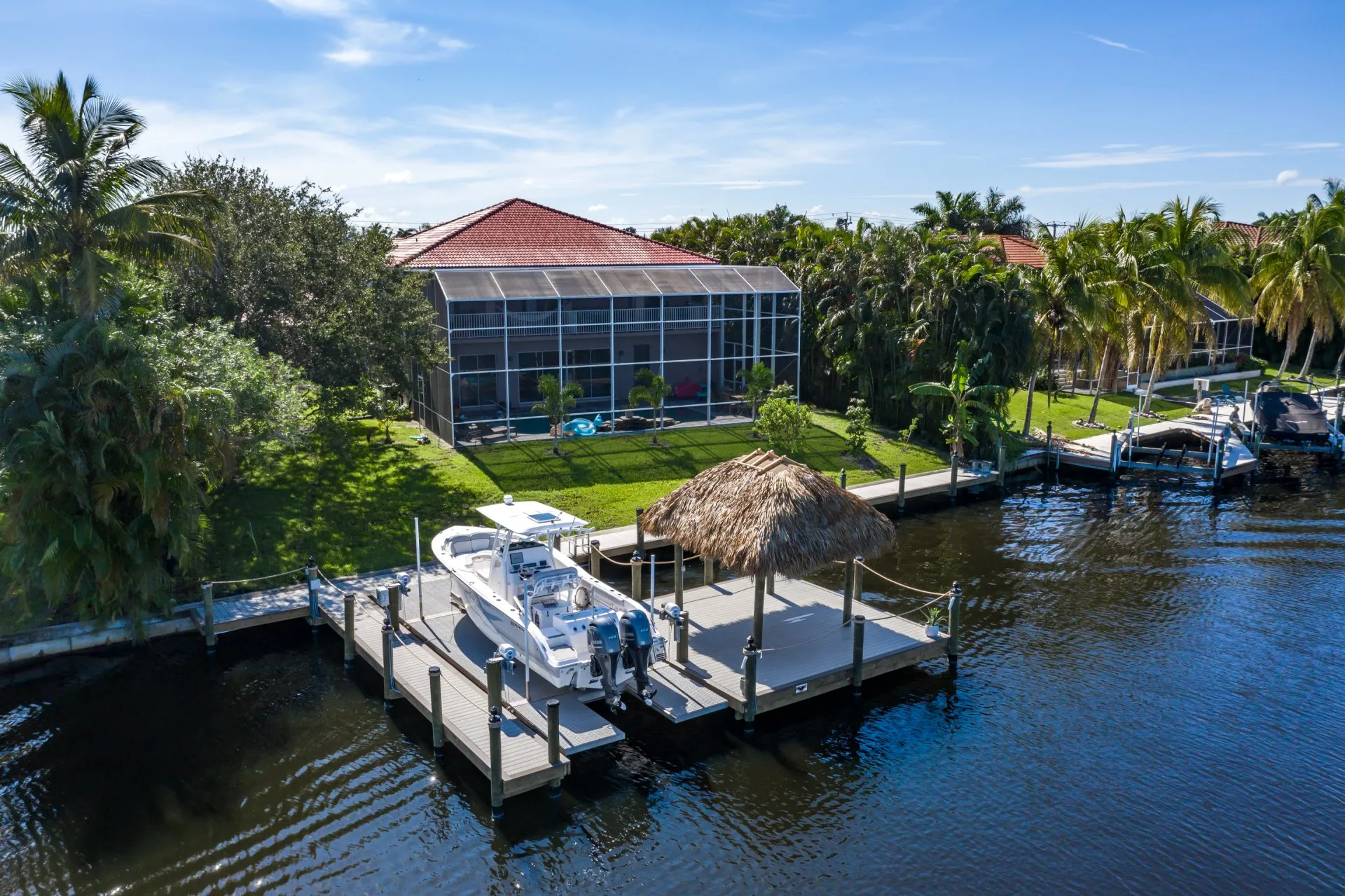
Before you start your dock or boat lift project in Port Charlotte, it’s crucial to have a clear understanding of your needs and the local regulations. Begin by asking potential contractors about their experience with the specific types of projects you’re considering. Inquire about their familiarity with Charlotte County’s permitting processes, as some projects may require more scrutiny than others due to site conditions or project scope. Understanding their past work and how they navigated challenges can provide insight into their capabilities.
Additionally, consider asking about their approach to site assessments. A knowledgeable contractor should be able to evaluate your waterfront layout, including the canal width and shoreline conditions. This evaluation is essential, as it can significantly influence the design and feasibility of your project. Don’t hesitate to discuss how existing structures and vessel size might impact the planning process. A good contractor will help you anticipate potential hurdles and suggest solutions that align with local regulations, ensuring a smoother path to obtaining the necessary permits.
How Repairs and Replacements Impact Permitting
When considering dock repairs or replacements in Port Charlotte, it’s crucial to understand how these changes can influence the permitting process. Even minor adjustments to your existing dock or lift can trigger a need for a new permit, especially if the modifications alter the size, configuration, or layout of the structure. Local regulations require that any significant changes be reviewed to ensure compliance with current standards, which can sometimes lead to unexpected delays in project timelines.
Site conditions play a vital role in the planning of any waterfront project. Factors such as canal width, water depth, and existing shoreline conditions can dictate what is feasible for your property. For instance, if you are replacing an older dock with a larger model, you may find that the new design needs to accommodate different vessel sizes or align with the specific layout of your canal. This means that careful planning is essential to avoid complications during the permitting phase, which could result in additional costs or extended wait times.
Before you meet with a contractor, consider asking questions about how your specific site conditions might affect the project. Understanding the nuances of your property can help streamline the permitting process and ensure that your project aligns with Charlotte County’s requirements. An experienced local marine contractor can provide invaluable insights into these considerations, helping you navigate the complexities of dock and lift projects while minimizing potential hurdles. If you’re ready to start planning your waterfront project, reach out to Honc Docks & Lifts for a site evaluation and consultation.
The Role of an Experienced Marine Contractor in Your Project
When embarking on a dock or boat lift project in Port Charlotte, having an experienced marine contractor by your side can make all the difference. Local contractors understand the nuances of Charlotte County’s permitting processes, which can vary significantly based on site conditions and project scope. For instance, some projects may require additional reviews due to specific canal layouts or existing structures, while others may proceed more straightforwardly. A knowledgeable contractor can help you navigate these complexities, ensuring that your project aligns with current county and agency requirements.
Moreover, the physical characteristics of your waterfront property play a crucial role in project planning. Factors such as canal width, shoreline conditions, and vessel size can impact the design and feasibility of your dock or lift. An experienced contractor will assess these elements early on, helping you avoid potential pitfalls that could delay your project. Additionally, if you’re considering repairs or replacements, it’s essential to recognize that even minor changes can affect permitting and planning. Engaging a local expert ensures that your project is tailored to your specific site conditions and complies with necessary regulations.
Before meeting with a contractor, homeowners should prepare questions about their experience with similar projects, knowledge of local permitting, and strategies for addressing site-specific challenges. This preparation can lead to a more productive consultation. If you’re ready to start planning your waterfront project, consider reaching out to Honc Docks & Lifts for a site evaluation and planning conversation. With the right guidance, your dock or boat lift project can be a smooth and successful endeavor.
Next Steps: Requesting a Site Evaluation and Planning Consultation
Once you have gathered all necessary documentation and are familiar with the local regulations, the next step in your marine construction project is to request a site evaluation. This evaluation is crucial as it allows our team to assess the specific conditions of your property in Port Charlotte. Factors such as water depth, soil type, and existing structures will influence the design and construction of your dock. A thorough site evaluation ensures that your project aligns with the guidelines outlined in the Port Charlotte dock permit guide, streamlining the approval process.
Following the site evaluation, we recommend scheduling a planning consultation. During this meeting, our experienced marine construction professionals will discuss your vision and requirements in detail. We will provide insights on the best materials and construction techniques suited for the Southwest Florida environment. Additionally, we will help you navigate the permitting process, ensuring that all local codes and regulations are met. This proactive approach not only saves time but also enhances the durability and functionality of your dock.
By taking these steps, you set a solid foundation for your marine construction project. Our team is dedicated to making the process as seamless as possible, allowing you to focus on enjoying your waterfront property. Don’t hesitate to reach out and schedule your site evaluation and consultation today!
Frequently Asked Questions About Dock and Boat Lift Permits
When considering a dock or boat lift project in Port Charlotte, homeowners often have questions about the permitting process. One common inquiry is whether all projects follow the same approval path. The answer is no; the complexity of your project can vary significantly based on factors like layout, site conditions, and the scope of work involved. It’s essential to verify the current requirements specific to your property before starting any work to avoid permitting delays.
Another important aspect to consider is why site conditions are crucial for your dock project. Factors such as the waterfront layout, canal width, and the existing shoreline can greatly influence the feasibility and planning of your project. Additionally, the size of your vessel and any existing structures can dictate what modifications are necessary, making it vital to assess these elements early in the planning phase.
Even if you’re only looking to repair or replace an existing dock or lift, it’s important to recognize that these changes can still impact your permitting process. Adjustments in layout, size, or configuration may require a reevaluation of your plans. Engaging with an experienced local marine contractor can streamline this process, ensuring that you navigate the complexities of permits and site prep effectively. If you’re ready to discuss your waterfront project, consider reaching out for a site evaluation and planning conversation with Honc Docks & Lifts.
No. Some projects are more straightforward than others, while certain layouts, site conditions, or scopes of work may require additional review. Homeowners should verify current requirements for their property before starting work.
Waterfront layout, canal width, shoreline conditions, vessel size, and the existing dock or lift setup can all affect what makes sense for the property and how the project should be planned.
Yes. Even when a homeowner is replacing an older dock or lift, changes in layout, size, configuration, or related site conditions can affect how the project should be approached.
Port Charlotte Dock & Boat Lift Permit Guide for Waterfront Homeowners should be planned around the condition of the waterfront, the exposure to saltwater and storms, and the long-term performance of the materials being used. A careful review of the site helps determine whether the project needs repair, replacement, permitting support, or a more durable construction approach.
Understanding the Dock and Boat Lift Permit Process in Port Charlotte can influence the materials, access requirements, scheduling, and level of structural work involved. For waterfront properties, the right scope depends on how the dock, lift, seawall, or shoreline system is currently performing and what needs to be protected over time.
Local experience matters because Southwest Florida waterfront projects face saltwater corrosion, permitting requirements, storm exposure, tidal conditions, and site-specific access constraints. A contractor familiar with these conditions can recommend details that hold up better and reduce avoidable delays.
How Repairs and Replacements Impact Permitting helps protect the investment after construction or repair work is finished. Regular inspections, timely service, and attention to fasteners, decking, pilings, lifts, and seawalls can prevent small issues from becoming expensive structural problems.
Owners should compare options based on structural durability, marine-grade materials, permitting knowledge, communication, and the contractor’s experience with similar waterfront properties. The lowest upfront option is not always the best long-term value in a harsh coastal environment.