Why Storm Preparation Matters for Southwest Florida Waterfront Homes
In Southwest Florida, the unique coastal environment presents specific challenges for waterfront homeowners, especially during hurricane season. Proper storm preparation of your boat lift is crucial to protect not just your vessel but also the integrity of your dock and seawall. High winds and storm surges can wreak havoc on improperly secured lifts, leading to costly repairs and potential safety hazards.
The saltwater conditions prevalent in our region contribute to corrosion and deterioration of marine-grade materials. This makes regular maintenance and inspection even more essential. Homeowners must consider factors such as exposure to storms, the condition of their boat lift systems, and the overall structural durability of their waterfront properties.
Investing time in thorough storm preparation can save you from significant headaches down the line. By ensuring that your boat lift is ready for severe weather, you’re not only protecting your investment but also contributing to the long-term health of your property. Understanding local permitting processes and potential delays in repairs is also vital when planning for storm readiness.
Pre-Season Inspection Checklist
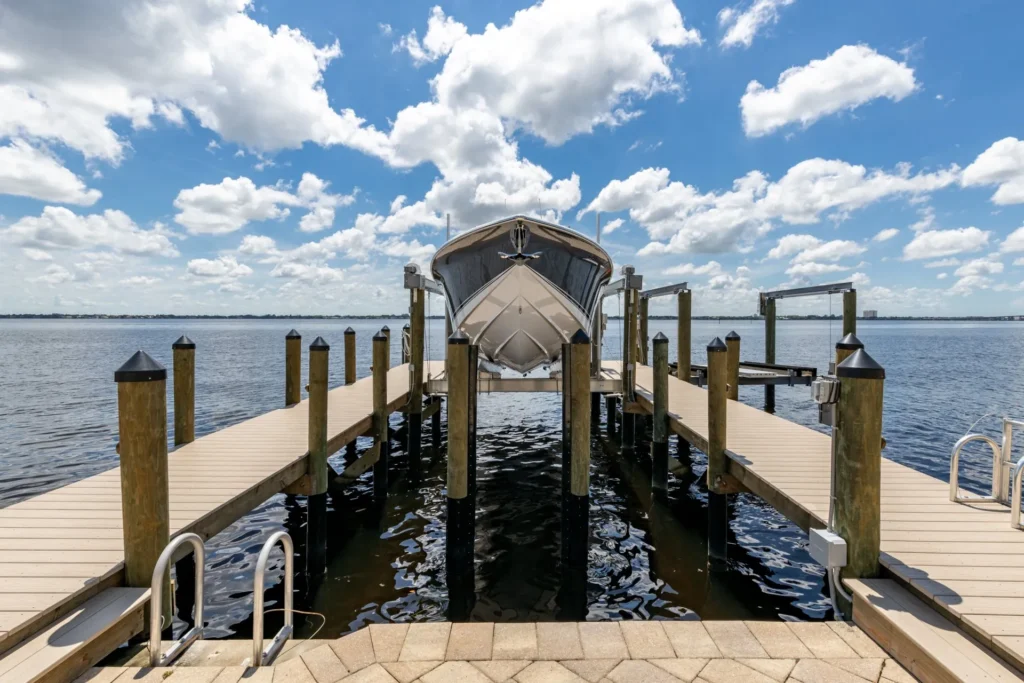
Before hurricane season hits, it’s essential to conduct a comprehensive pre-season inspection of your boat lift. Start by evaluating the condition of your canopy; ensure it’s securely fastened and free from tears or wear that could compromise its effectiveness during a storm. Next, inspect the cradle position; it should be stable and aligned correctly to avoid any shifting during high winds.
Check all straps and tie-downs for signs of wear or fraying. These components are critical for securing your lift against strong winds. Additionally, inspect electrical connections and motor functionality to ensure everything operates smoothly. Saltwater can cause corrosion over time, so look for any signs that might indicate electrical issues.
- Inspect canopy for tears or loose fittings.
- Ensure cradle is properly positioned and secured.
- Check straps and tie-downs for wear.
- Test motor functionality and electrical connections.
- Evaluate surrounding dock area for stability.
What Not to Do Before a Storm
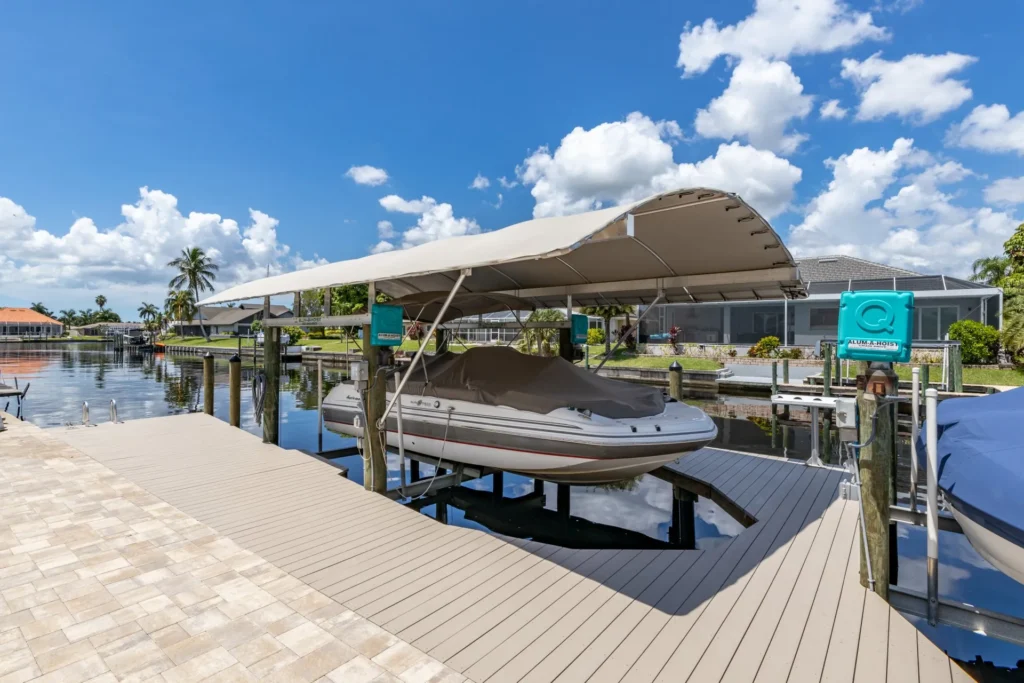
When preparing for an approaching storm, there are critical mistakes homeowners often make that can lead to more damage. One common error is leaving the boat on the lift without proper securing measures in place. Depending on local conditions and guidance, this could expose both the boat and lift to unnecessary risks.
Another mistake is neglecting to remove or secure accessories like fenders or lines that could become projectiles in high winds. It’s also important not to wait until the last minute to act; starting preparations early allows you ample time to address any unforeseen issues with your boat lift or dock.
Lastly, avoid ignoring local advisories regarding storm preparedness. Following official guidance can help you make informed decisions about whether to evacuate or secure your property differently based on specific storm forecasts.
Signs Your Lift Is Unsafe After a Storm
After a storm passes, it’s crucial to inspect your boat lift thoroughly before using it again. Look for obvious signs of damage such as bent or misaligned components that may indicate structural issues. Pay close attention to any shifted cradle parts or cable problems that could compromise the lift’s operation.
Electrical concerns should also be a priority; check for any exposed wiring or corrosion that may have developed due to saltwater exposure during the storm. If you notice loose hardware or parts that seem out of alignment, it’s best to refrain from using the lift until a professional assessment has been conducted.
‘Safety first’ should be your mantra after any severe weather event. If there are any doubts about the integrity of your boat lift, reach out for a professional inspection before attempting to use it again.
Yes. Waterfront owners should review canopy, cradle, straps, electrical controls, lift condition, and surrounding dock area before storm season.
Storm decisions depend on local conditions, the boat, lift type, property exposure, and official guidance. Have the lift inspected and follow local emergency recommendations.
Look for obvious damage, shifted cradle parts, cable issues, motor or electrical concerns, dock movement, loose hardware, and anything that appears bent or out of alignment.
ShoreWatch can support routine inspection and maintenance so problems are more likely to be identified before storm season.