Understanding Boat Lift Maintenance Costs
When it comes to maintaining your boat lift, several factors will influence the overall costs involved. The type of lift you have plays a significant role; whether it’s a hydraulic, electric, or manual lift, each has its own specific maintenance needs. Additionally, the condition of critical components like cables, motors, and controls can impact pricing. Regular inspections can help identify issues such as cable wear or motor malfunctions before they escalate into costly repairs.
Accessibility is another crucial factor in determining maintenance costs. If your lift is in a hard-to-reach area, it may require more time and effort to service, thus increasing labor costs. Furthermore, the exposure to saltwater and storm conditions in Southwest Florida can accelerate corrosion, necessitating more frequent upkeep. Homeowners should also consider potential dock or seawall issues that could affect the lift’s performance. By investing in a maintenance plan, you can mitigate risks associated with emergency repairs, ensuring your boat remains safe and reducing downtime during peak boating season.
The Role of Lift Type in Maintenance Expenses
When considering the maintenance costs associated with boat lifts, the type of lift you have plays a significant role. For instance, hydraulic lifts generally require more specialized care compared to traditional vertical lifts. The complexity of the hydraulic systems means that any issues can lead to higher repair costs if not addressed promptly. Additionally, different lift types may have varying susceptibility to saltwater corrosion, which can escalate maintenance needs and expenses over time.
Cable condition is another crucial factor that varies by lift type. For example, lifts using cables need regular inspections to prevent wear and tear, which can lead to costly failures if ignored. Proper bunk alignment is essential for even weight distribution, and misalignment can cause undue stress on the lift’s components, leading to premature wear. Homeowners in Southwest Florida should also consider the accessibility of their lift for routine checks, as hard-to-reach systems can complicate maintenance and increase costs. Regular maintenance can help mitigate these risks, ultimately saving you from unexpected emergency repairs that can disrupt your boating season.
Cable Condition and Its Impact on Costs
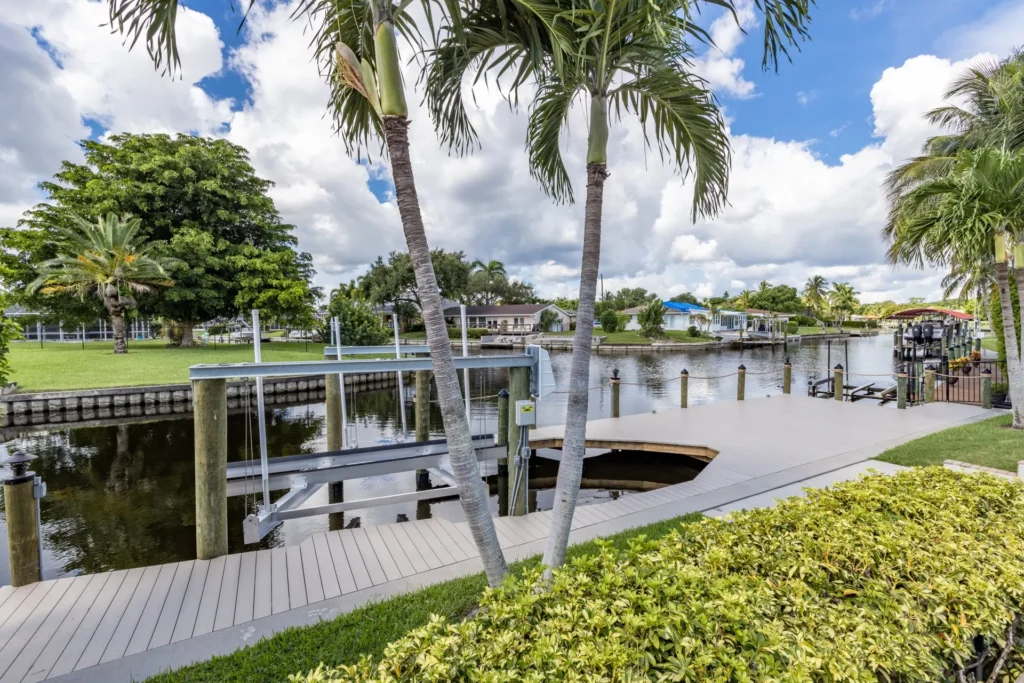
The condition of your boat lift cables plays a critical role in determining both routine maintenance and emergency repair costs. Cables that show signs of wear or corrosion can lead to unexpected failures, especially in the harsh saltwater environment of Southwest Florida. Regular inspections allow us to catch these issues early, potentially saving you from costly repairs down the line. If a cable snaps due to neglect, you could face not only the expense of replacement but also the risk of damaging your boat or lift components during the failure.
Additionally, the accessibility of your lift can influence repair costs significantly. If your lift is in a tight canal or has limited access due to low water conditions, emergency repairs can become a logistical nightmare, driving up costs even further. By investing in a maintenance plan, you can ensure that your cables remain in good condition, reducing the likelihood of emergency situations and the associated costs. Remember, a small investment in routine maintenance can lead to substantial savings and peace of mind when it comes to your boat lift’s operation.
Motor and Controls: Key Components to Monitor
When it comes to maintaining your boat lift, paying close attention to the motor and control systems is crucial. These components are the heart of your lift’s operation, and any malfunction can lead to significant downtime and costly repairs. In Southwest Florida, where saltwater can corrode parts quickly, regular inspections are essential to catch issues early. If the motor shows signs of wear or if the controls are unresponsive, addressing these problems promptly can save you from more extensive repairs down the line, especially if storm conditions exacerbate the situation.
Moreover, the condition of cables and the alignment of bunks play a vital role in the overall performance of your lift. Misalignment can lead to uneven weight distribution, which not only affects the lift’s efficiency but also poses risks to your boat’s safety. With the potential for additional complications arising from dock or seawall issues, it’s wise to have a maintenance plan in place. This proactive approach helps ensure that your system remains operational and reduces the risk of emergency repairs, which can be significantly more expensive and disruptive.
For homeowners in the region, investing in routine maintenance can ultimately protect your investment and provide peace of mind.
Bunk Alignment and Its Cost Implications
Proper bunk alignment is crucial for the efficient operation of your boat lift, especially in the unique conditions we face in Southwest Florida. When the bunks are misaligned, it can lead to uneven weight distribution, causing unnecessary strain on the lift’s components. This not only affects the lift’s performance but can also lead to premature wear and tear on cables and motors. Regular maintenance checks can catch these alignment issues early, potentially saving you from costly repairs down the line.
Additionally, if your lift is exposed to harsh weather conditions or saltwater corrosion, the stakes are even higher. Misalignment can exacerbate these issues, leading to more significant problems that require urgent repairs. By investing in routine inspections and maintenance, you can ensure that your lift remains in optimal condition, reducing the risk of downtime and enhancing the safety of your boat. At Honc Docks & Lifts, we offer tailored maintenance plans that address these specific concerns, helping you avoid the pitfalls of emergency repairs that can disrupt your boating lifestyle.
Corrosion and Saltwater Exposure: A Local Concern
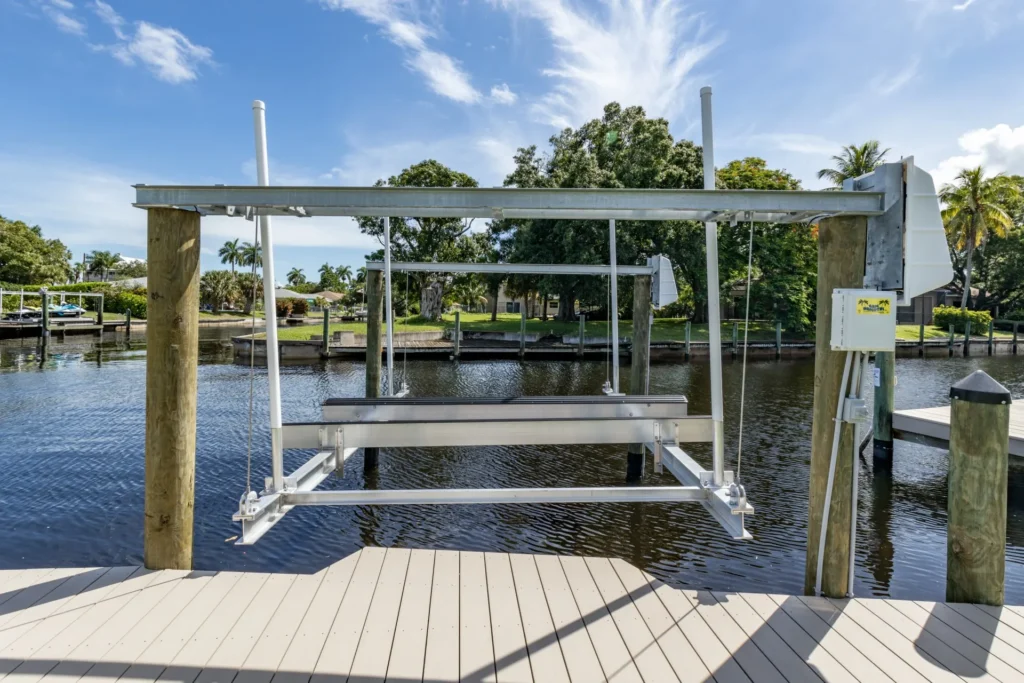
In Southwest Florida, the constant exposure to saltwater can wreak havoc on your boat lift system. Corrosion is a silent enemy that can compromise the integrity of cables, motors, and controls. If left unchecked, these issues can escalate, leading to costly emergency repairs. Regular maintenance is essential to identify early signs of wear and tear before they turn into significant problems. The harsh marine environment means that components are subjected to unique stresses, making routine inspections not just beneficial, but necessary for longevity.
Addressing corrosion should be a key focus in your maintenance plan. Marine-grade materials are designed to withstand the elements, but even they require regular attention. Factors such as storm exposure and accessibility to your dock can complicate repairs and maintenance. By investing in a maintenance plan, you not only safeguard your boat lift but also mitigate the risk of downtime and unexpected repair costs. Connect with Honc Docks & Lifts for a tailored maintenance plan that fits your specific needs and protects your investment.
Accessibility Challenges in Southwest Florida
In Southwest Florida, accessibility can significantly influence the maintenance costs of your boat lift. Many waterfront properties are located in areas with narrow canals or limited dock access, making it challenging for contractors to reach the lift for routine inspections or repairs. When a boat lift is difficult to access, it can lead to increased labor costs and extended downtime, especially if urgent repairs are needed. Homeowners might find themselves facing not only higher expenses but also the risk of prolonged periods without boat access, which can be frustrating during peak boating season.
Moreover, the unique environmental factors in our region, such as saltwater exposure and storm impacts, can exacerbate wear and tear on lift components. Corrosion can set in quickly, especially if maintenance is delayed due to accessibility issues. If you’re not regularly checking the condition of cables, motors, and controls, small problems can escalate into costly emergency repairs. By investing in a maintenance plan, you can mitigate these risks and ensure that your boat lift remains operational, ultimately saving you money and hassle in the long run.
Storm Exposure and Its Risks
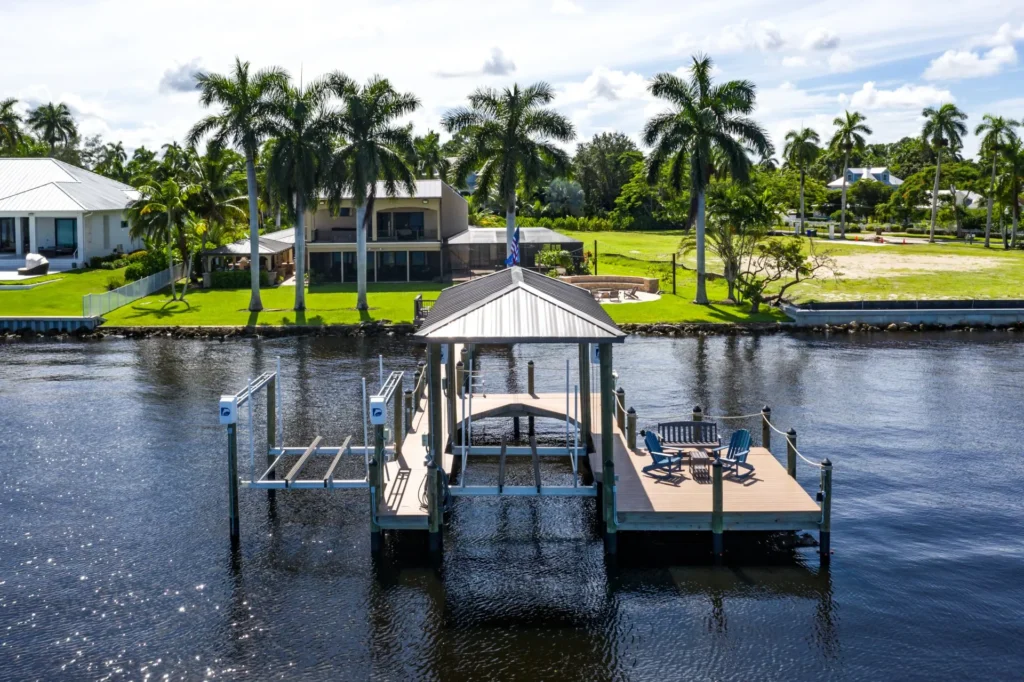
In Southwest Florida, the threat of storms is a reality that waterfront homeowners must face. When a storm hits, the combination of high winds and rising water can put immense strain on your boat lift. If your lift is not regularly maintained, you may find yourself facing emergency repairs that can be both costly and time-consuming. Proactive maintenance can help identify potential weaknesses, such as worn cables or corroded components, before they lead to urgent issues that require immediate attention.
Moreover, the cost of emergency repairs often escalates due to the need for rapid response and the potential for additional damage to your boat or lift system. During a storm, accessibility can also become a challenge, complicating repairs and increasing downtime. By investing in routine maintenance, you not only safeguard your lift against storm-related damage but also ensure that your boat remains safe and ready for use. Honc Docks & Lifts offers tailored maintenance plans to help you stay ahead of potential issues, giving you peace of mind when the weather turns rough.
Comparing Planned Maintenance to Emergency Repairs
When it comes to boat lift upkeep, homeowners in Southwest Florida often face the choice between planned maintenance and emergency repairs. Routine maintenance allows you to identify potential issues early, such as worn cables or misaligned bunks, which can save you significant costs in the long run. By scheduling regular inspections, you can address these concerns before they escalate into urgent repairs that disrupt your boating season and lead to unexpected downtime.
On the flip side, neglecting routine checks can result in emergency situations that are not only costly but also stressful. Emergency repairs often come with a premium due to urgent scheduling, potential damage to the lift components, and the added challenge of accessing your boat during repairs. Factors like storm exposure and saltwater corrosion can exacerbate these issues, making timely maintenance a smart investment for any waterfront homeowner. At Honc Docks & Lifts, we offer comprehensive maintenance plans that can help you avoid these pitfalls and ensure your lift operates smoothly throughout the year.
Why Choose Honc Docks & Lifts for Maintenance Plans
When it comes to protecting your investment in a boat lift, proactive maintenance is key. At Honc Docks & Lifts, we understand that the unique conditions of Southwest Florida can take a toll on your lift’s components. Factors like saltwater exposure, storm impacts, and low-water conditions can lead to corrosion and misalignment over time. By opting for our maintenance plans, you can address potential issues before they escalate into costly emergency repairs. Regular inspections help identify worn cables, motor problems, and bunk alignment issues, ensuring your lift operates smoothly and safely.
Moreover, the cost of routine maintenance is often significantly lower than the unexpected expenses associated with emergency repairs. When you factor in the downtime and potential damage to your boat, the value of a planned maintenance approach becomes clear. Our team will assess your specific lift type and its condition, taking into account accessibility and any surrounding dock or seawall issues. We aim to minimize risks and keep your lift in optimal working order, allowing you to enjoy your waterfront property without worry.
Don’t wait for small issues to become urgent; contact us today to discuss a tailored maintenance plan that fits your needs.
Cost depends on the lift type, condition, access, parts, saltwater exposure, and whether repairs are needed. Honc Docks & Lifts can inspect the system and recommend the right maintenance scope.
For many waterfront homeowners, routine maintenance helps catch cable, motor, bunk, and alignment issues earlier, which can reduce downtime and repair surprises.
Emergency repairs can involve urgent scheduling, damaged parts, boat access problems, storm impacts, or multiple connected issues that were not caught early.