Understanding Boat Lift Electrical Systems
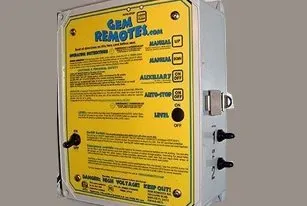
Boat lift electrical systems are crucial for the safe and efficient operation of your lift. These systems typically include components such as control boxes, limit switches, and GFCI breakers, all of which work together to ensure your boat is raised and lowered smoothly. In our humid Southwest Florida climate, saltwater exposure can lead to corrosion and wear, impacting the functionality of these electrical parts. Regular inspections are essential to catch any issues before they escalate, especially with the unique challenges posed by local weather conditions and water levels.
If your boat lift has stopped responding or shows erratic behavior, it’s important to understand the potential causes. Common symptoms include remote control failures, which can stem from dead batteries, faulty receivers, or issues with the wiring. Attempting to troubleshoot these problems yourself can be dangerous, particularly in an environment where water and electricity intersect. We recommend contacting a qualified technician who can safely diagnose the problem and implement the necessary repairs, ensuring your boat lift operates reliably.
At HONC Docks & Lifts, we emphasize the importance of professional intervention for electrical repairs. Our team is experienced in handling the complexities of boat lift electrical systems, taking into account local permitting requirements and site-specific challenges. If you suspect an issue with your boat lift’s electrical components, don’t hesitate to reach out for a thorough diagnostic assessment. We also offer maintenance plans to keep your lift in top condition, preventing future issues and ensuring peace of mind while enjoying your time on the water.
Common Symptoms of Electrical Issues
If your boat lift is showing signs of electrical trouble, it’s crucial to recognize the symptoms early. Homeowners often notice that the lift fails to respond to the remote control, which can stem from issues like a dead battery, a malfunctioning receiver, or problems with the control wiring. Additionally, if the lift operates intermittently or makes unusual noises, these can be indicators of deeper electrical problems that need professional attention. Remember, troubleshooting electrical issues around water can be hazardous, so it’s best to leave it to the experts.
Another common symptom is the presence of tripped breakers or GFCI outlets. If you find yourself frequently resetting these, it may suggest an underlying fault in the electrical system. Corrosion from saltwater can also lead to wear and tear on components like limit switches and control boxes, further complicating the situation. If you suspect that your boat lift is experiencing electrical issues, don’t hesitate to reach out for a professional diagnosis. Our team at HONC Docks & Lifts is equipped to handle these repairs safely and efficiently, ensuring your lift operates smoothly and securely.
Inspection Process for Electrical Problems
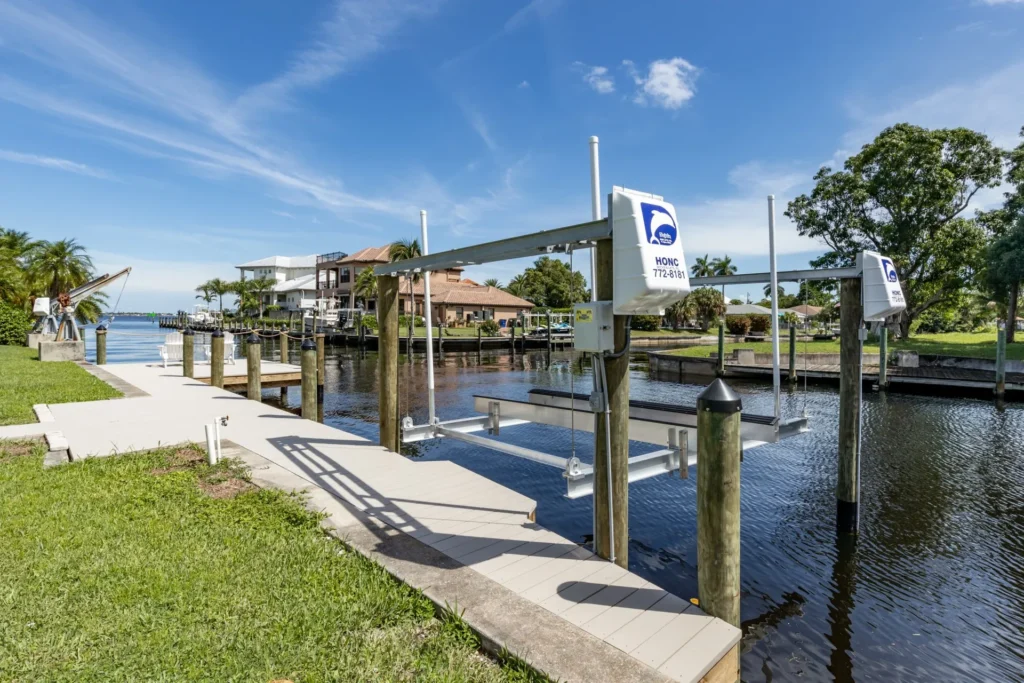
When it comes to diagnosing electrical issues with your boat lift, a thorough inspection is crucial. Our team begins by assessing the entire system, starting with the remote control and its batteries. We check the receiver and control wiring for any signs of wear or damage, especially considering the saltwater environment here in Southwest Florida, which can accelerate corrosion. We also inspect the limit switches and breakers, ensuring that everything is functioning as it should. This step is vital to pinpoint the exact cause of the malfunction without risking safety.
Next, we evaluate the control box for any visible signs of moisture intrusion or electrical shorts. Given the unique challenges of working around water, including permitting delays and canal access constraints, we take our time to ensure that all components are in good condition. If we find any issues, we document them thoroughly and discuss the best course of action with you. Remember, troubleshooting electrical problems near water can be dangerous, so it’s best to leave it to professionals who understand the risks and the local conditions.
If you’re experiencing symptoms like your boat lift not responding, don’t hesitate to reach out for a diagnostic today.
Frequent Causes of Electrical Failures
When it comes to boat lift electrical issues, several common culprits can lead to malfunctions. One major factor is the harsh marine environment we experience here in Southwest Florida. Saltwater corrosion can quickly wear down wiring and connections, leading to shorts or complete failures. Additionally, exposure to moisture can cause rust on vital components like control boxes and limit switches, which are essential for safe operation. Homeowners often overlook these environmental impacts until they notice their lift isn’t responding as it should.
Another frequent cause of electrical problems is improper installation or wear over time. If the initial setup didn’t account for local conditions, such as low-water levels or shifting sediment in canals, it can lead to premature failures. Breakers and GFCI outlets are also critical; if they trip frequently, it could indicate an underlying issue that needs professional attention. It’s important to remember that electrical troubleshooting around water can be dangerous. If you notice symptoms like intermittent operation or complete shutdown, it’s best to contact a qualified technician for a thorough inspection and diagnosis.
The Dangers of DIY Electrical Repairs
When it comes to electrical issues with your boat lift, especially those involving water, it’s crucial to prioritize safety. Attempting to troubleshoot or repair electrical components around water can lead to serious hazards, including electrocution. Homeowners often underestimate the risks associated with DIY repairs, particularly in our humid Southwest Florida environment where saltwater can corrode connections and wiring. A simple mistake can turn a minor issue into a dangerous situation, so it’s best to leave these tasks to trained professionals who understand the complexities of marine electrical systems.
Common symptoms of electrical problems include unresponsive lifts or intermittent operation, which can stem from various issues like faulty limit switches, tripped breakers, or malfunctioning control boxes. While it might be tempting to investigate these problems yourself, the reality is that without the right tools and knowledge, you could exacerbate the situation. Our team at HONC Docks & Lifts is equipped to conduct thorough inspections and identify the root causes safely. We understand the local conditions that can impact your equipment, from permitting delays to storm-related wear and tear, ensuring your boat lift operates smoothly and reliably.
Don’t take chances with your safety; reach out for a professional diagnosis today.
Importance of Professional Diagnosis
When it comes to boat lift electrical issues, seeking a professional diagnosis is crucial for ensuring safety and effective repairs. Homeowners in Southwest Florida often underestimate the complexities of electrical systems, especially those installed near water. A malfunctioning lift can stem from various causes, including faulty limit switches or breaker issues, which require a trained eye to identify. Attempting to troubleshoot these problems without the right expertise can lead to dangerous situations, particularly in a marine environment where water and electricity pose significant risks.
Our team at HONC Docks & Lifts understands the unique challenges posed by local conditions, such as saltwater corrosion and storm impacts. We conduct thorough inspections to pinpoint the root of the problem, whether it’s a malfunctioning control box or a GFCI issue. By relying on our expertise, you can avoid costly mistakes and ensure your boat lift operates safely and efficiently. Don’t hesitate to reach out for a professional assessment; we’re here to help you navigate these electrical concerns while keeping your family safe and your boat lift in top shape.
Maintenance Plans for Boat Lift Longevity
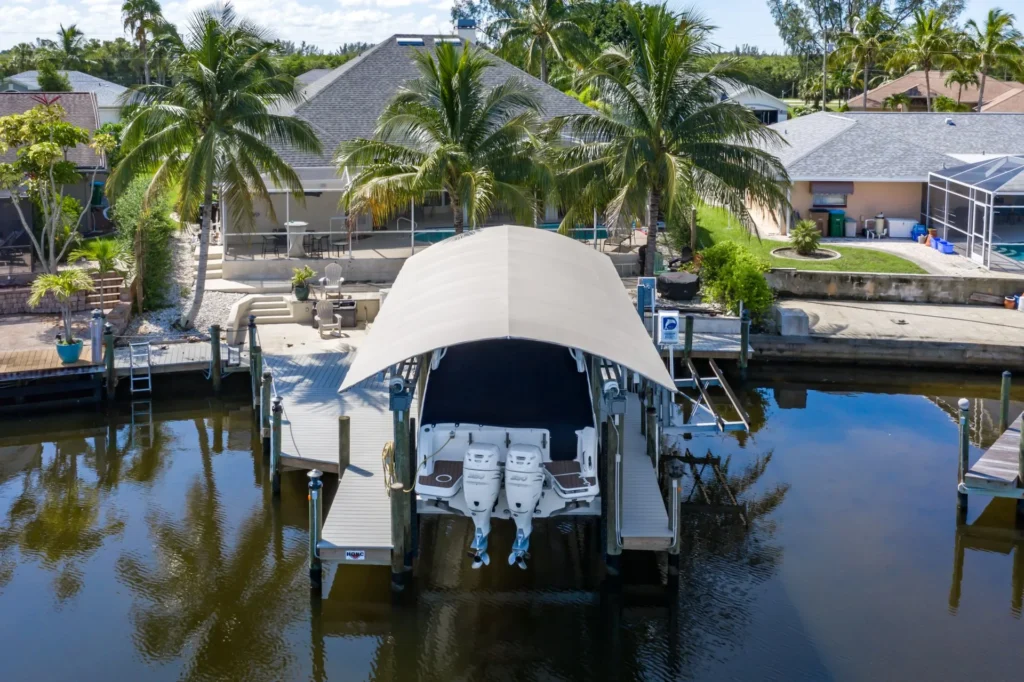
Regular maintenance of your boat lift is essential to prevent electrical issues that can lead to costly repairs and downtime. In Southwest Florida, where saltwater and humidity can accelerate wear on electrical components, having a proactive maintenance plan is crucial. This includes routine inspections of control boxes, limit switches, and GFCI outlets, which can be impacted by the harsh marine environment. By addressing minor issues before they escalate, you can ensure your boat lift operates smoothly and safely.
Homeowners should be aware that electrical work around water can be dangerous. If your boat lift shows signs of malfunction, such as unresponsive remote controls or inconsistent lifting, it’s best to consult a qualified technician. Attempting to troubleshoot these problems without the right expertise can lead to unsafe situations. Our team is equipped to diagnose and repair any electrical faults, ensuring your lift is safe and reliable. For those interested in long-term solutions, consider our maintenance plans to keep your boat lift in top condition and to avoid unexpected breakdowns.
Contact Us for Expert Electrical Repair
If you’re experiencing issues with your boat lift, such as it not responding to the remote or unusual sounds during operation, it’s crucial to seek professional help. Electrical repairs around water can be hazardous, and our team at HONC Docks & Lifts is equipped to diagnose and address these problems safely. We understand the unique challenges of Southwest Florida, including saltwater corrosion and the impact of storms on your equipment. Our technicians are familiar with the specific electrical systems used in boat lifts and can quickly identify the root cause of any malfunction.
During our inspection process, we will check for common issues like faulty limit switches, tripped breakers, or GFCI problems that could compromise your lift’s functionality. We also take into account local conditions, such as low-water levels that may affect access to your lift. Avoid the temptation to troubleshoot these electrical issues yourself; the risks are too great. Instead, reach out to us for a thorough diagnostic assessment. You can learn more about our maintenance plans and how they can help prevent future problems by visiting our maintenance plan page. For immediate assistance, don’t hesitate to contact us directly.
Frequently Asked Questions
Homeowners often wonder why their boat lift has suddenly stopped responding to the remote. This issue can stem from various sources, including dead batteries, problems with the receiver, or even faulty wiring. Sometimes, the switches or power supply might be at fault. Given the complexities involved, especially with electrical systems near water, it’s crucial to have a qualified technician diagnose the problem safely rather than attempting to troubleshoot on your own.
Another common question is whether boat lift electrical repair is safe for DIY enthusiasts. The short answer is no; electrical work around water poses significant risks. Saltwater can corrode connections and components, leading to dangerous situations if not handled properly. It’s always best to reach out to a professional who understands the local conditions and regulations, ensuring your repair is done safely and effectively. For a thorough inspection and diagnosis, don’t hesitate to contact us or check our maintenance plan for ongoing care.
Remote issues can come from batteries, receiver problems, control wiring, switches, or power issues. A technician should diagnose the system safely.
Electrical work around water can be dangerous. Homeowners should avoid unsafe troubleshooting and call a qualified professional.
Boat Lift Electrical & Remote Control Repair should be planned around the condition of the waterfront, the exposure to saltwater and storms, and the long-term performance of the materials being used. A careful review of the site helps determine whether the project needs repair, replacement, permitting support, or a more durable construction approach.
Understanding Boat Lift Electrical Systems can influence the materials, access requirements, scheduling, and level of structural work involved. For waterfront properties, the right scope depends on how the dock, lift, seawall, or shoreline system is currently performing and what needs to be protected over time.
Local experience matters because Southwest Florida waterfront projects face saltwater corrosion, permitting requirements, storm exposure, tidal conditions, and site-specific access constraints. A contractor familiar with these conditions can recommend details that hold up better and reduce avoidable delays.
The Dangers of DIY Electrical Repairs helps protect the investment after construction or repair work is finished. Regular inspections, timely service, and attention to fasteners, decking, pilings, lifts, and seawalls can prevent small issues from becoming expensive structural problems.
Owners should compare options based on structural durability, marine-grade materials, permitting knowledge, communication, and the contractor’s experience with similar waterfront properties. The lowest upfront option is not always the best long-term value in a harsh coastal environment.