Blog on Docks and Boat Lifts in SWFL – Boat Builder Fort Myers, FL | Cape Coral, FL

Dock and Lift Maintenance Services | HONC Docks and Lifts

Regular dock and lift maintenance is essential for safety, performance, and long-term value. Exposure to water, weather, and constant use can take a toll on cables, motors, pilings, and hardware. HONC provides thorough maintenance services designed to identify small issues early—before they become expensive problems.

Our Dock and Lift Maintenance Services Include:

  • Cable, pulley, and cradle inspections
  • Motor and gearbox lubrication
  • Fastener tightening and corrosion checks
  • Electrical and control system testing
  • Seasonal prep and post-season evaluations

Each maintenance visit is customized to your dock and lift system, water conditions, and usage patterns.

Skipping routine care can shorten equipment lifespan and increase safety risks. According to the BoatUS Foundation, regular inspections significantly reduce the likelihood of dock and lift failures caused by corrosion and wear . Preventative service helps ensure reliable operation all season long.

What We Check During a Maintenance Visit

  • Structural integrity of dock framing
  • Lift balance and alignment
  • Signs of rust, rot, or electrolysis
  • Proper operation under load

This comprehensive approach ensures your system operates smoothly and safely.

FAQ

How often should dock and lift maintenance be performed?

Most systems benefit from at least annual service, with additional checks before and after heavy-use seasons.

Can maintenance prevent major repairs?

Yes. Proactive dock and lift maintenance often catches minor wear early, reducing the risk of major component failure.
Boat Lift Maintenance Tips to Protect Your Investment Year-Round

Regular upkeep is the key to keeping your lift reliable, safe, and ready whenever you want to hit the water. These boat lift maintenance tips from HONC help property owners prevent corrosion, avoid mechanical failures, and extend the lifespan of their investment—without unnecessary downtime or surprise repair costs.

Did You Know?
Routine inspections and minor adjustments can prevent most lift failures before they become expensive repairs.

Inspect Your Boat Lift at the Start and End of Every Season

One of the most important boat lift maintenance tips is performing a full visual inspection at least twice a year. Look for frayed cables, loose bolts, worn pulleys, and signs of rust or corrosion. Addressing small issues early helps maintain smooth operation and protects your boat from unexpected drops or misalignment.

Keep Cables, Pulleys, and Winches Clean and Lubricated

  • Rinse components with fresh water to remove dirt and debris
  • Apply marine-grade lubricant to pulleys and winches
  • Replace cables showing visible wear or flattening
  • Ensure smooth, even cable spooling during operation

These boat lift maintenance tips reduce friction and extend the life of critical moving parts.

Safety Warning
Never operate a lift with visibly damaged cables or malfunctioning controls. This can lead to sudden failure and serious injury.

Protect Your Lift from Corrosion and Harsh Conditions

Water exposure, sun, and temperature swings can shorten the lifespan of lift components. Rinsing your lift regularly and applying corrosion-resistant coatings are essential boat lift maintenance tips, especially in saltwater or brackish environments.

For additional guidance on corrosion prevention, refer to marine maintenance best practices from Boating Magazine, a trusted industry resource.

Schedule Professional Service When Needed

While routine checks can be handled by property owners, professional servicing ensures proper alignment, load balancing, and electrical safety. HONC technicians are trained to spot issues that are easy to miss and provide expert solutions that keep your lift operating reliably.

Maintenance Pays Off
Following these boat lift maintenance tips can significantly reduce repair costs and extend the life of your lift for years to come.

How often should boat lift cables be replaced?

Most manufacturers recommend inspection annually and replacement every 3–5 years, depending on usage and environment.

Can I perform boat lift maintenance myself?

Basic cleaning and inspections are fine, but mechanical or electrical issues should be handled by professionals like HONC.

Boat Lift Maintenance: Protect Your Lift & Boat Year-Round | HONC

Regular boat lift maintenance is one of the most effective ways to extend the life of your lift system. From cables and motors to bunks and hardware, small issues can quickly turn into expensive repairs if left unaddressed. HONC provides professional service designed to keep your lift operating smoothly in every season.

Why Routine Lift Care Matters

  • Reduces wear on cables, pulleys, and motors
  • Improves safety for people and property
  • Helps identify corrosion before it becomes structural damage
  • Ensures smooth, reliable operation during peak boating season
  • Extends the overall lifespan of your lift system

A professional inspection looks beyond the surface. HONC technicians evaluate load-bearing components, electrical systems, and underwater hardware to ensure everything meets manufacturer and safety standards.

Key Areas to Inspect During Maintenance

  1. Cables and Pulleys – Check for fraying, rust, or uneven wear
  2. Motors and Gearboxes – Listen for unusual noise and test smooth operation
  3. Bunks and Cradles – Confirm proper alignment and padding condition
  4. Fasteners and Hardware – Look for corrosion or loose components
  5. Electrical Connections – Inspect wiring, switches, and controls

Did You Know?
According to boating safety guidelines from the U.S. Coast Guard, routine inspection of dock and lift equipment reduces accident risk and mechanical failure.

Seasonal Maintenance Tips

Spring Prep

Inspect cables, test motors, and confirm proper lift balance before launching season begins.

Mid-Season Checkups

Monitor for unusual noises, slow operation, or shifting bunks during heavy use.

Fall & Winterization

Remove debris, reduce tension where recommended, and prepare components for freezing conditions.

When to Call a Professional

While basic visual checks can be done by owners, professional boat lift maintenance ensures critical components are serviced correctly. If you notice uneven lifting, grinding sounds, visible corrosion, or electrical issues, it’s time to contact HONC for expert evaluation and repair.

FAQ

How often should a boat lift be serviced?

Most lifts benefit from annual professional service, with additional checks during high-use seasons.

Can maintenance prevent cable failure?

Yes. Routine inspections catch wear early, reducing the risk of sudden cable breakage.

Does water type affect maintenance needs?

Saltwater and brackish environments require more frequent inspections due to corrosion.

Protect Your Lift Before Problems Start
Routine service costs far less than emergency repairs or full replacement.

How to Level a Boat Lift for Safe, Smooth, and Long-Lasting Performance

Knowing how to level a boat lift is essential for keeping your boat secure and preventing uneven stress on cables, bunks, and motors. An unlevel lift can cause shifting, premature wear, and even structural damage over time. Whether you’re installing a new system or adjusting an existing one, this guide from HONC dock and lift professionals walks you through the process step by step.

Why Proper Boat Lift Leveling Is Important

  • Keeps your boat evenly supported during lifting and lowering
  • Prevents excess strain on cables, pulleys, and motors
  • Reduces the risk of boat shifting or slipping
  • Extends the lifespan of your boat lift system
  • Improves overall dock safety

Tools and Supplies for Leveling a Boat Lift

  • Long carpenter’s level or laser level
  • Adjustable wrenches or socket set
  • Measuring tape
  • Protective gloves
  • Owner’s manual for your lift model

Step-by-Step: How to Level a Boat Lift

  1. Remove the boat from the lift to eliminate weight and ensure accurate adjustments.
  2. Check side-to-side level by placing the level across the bunks or cradle.
  3. Adjust lift legs or cables until both sides are even.
  4. Check front-to-back level to ensure the bow and stern are aligned.
  5. Recheck all measurements after tightening hardware.
  6. Test the lift without the boat, then recheck once the boat is back on.

This process ensures how to level a boat lift is done accurately and safely.

Tip: Water levels can change throughout the season. Recheck your lift level periodically, especially after storms or major water fluctuations.

Boat Lift Leveling Mistakes to Watch For

  • Leveling with the boat still on the lift
  • Ignoring uneven lake or seabed conditions
  • Overtightening cables on one side
  • Skipping regular inspections after adjustments

When Professional Boat Lift Service Is the Best Option

If your lift won’t stay level, shows cable wear, or has structural issues, it may be time to call HONC. Professional dock and lift technicians have the tools and experience to diagnose problems quickly and ensure your system operates safely for years to come.

For additional safety and maintenance guidance, review this boat lift safety overview from the National Marine Manufacturers Association (NMMA), a trusted authority in marine equipment standards.

FAQ

How often should I level my boat lift?

Check level at least once per season and anytime water levels change significantly.

Can I level a boat lift myself?

Minor adjustments are often DIY-friendly, but complex systems or recurring issues should be handled by HONC professionals.

How to Level a Boat Lift: Step-by-Step Guide for Safe Docking

A properly leveled boat lift keeps your vessel centered, reduces strain on cables and motors, and prevents unnecessary wear. If your lift tilts forward, backward, or side-to-side, it’s time to take action. This guide walks you through how to level a boat lift safely and effectively using proven techniques recommended by marine professionals like HONC.

Why Boat Lift Leveling Matters
An unlevel lift can cause hull damage, uneven bunks, cable fatigue, and premature motor failure. Regular inspections and adjustments help avoid costly repairs and improve overall lift reliability.

Signs Your Boat Lift Needs Leveling

  • Boat sits unevenly when raised
  • One side of the lift rises faster than the other
  • Excessive cable slack on one corner
  • Bunks not making full contact with the hull
  • Lift creaks, binds, or jerks during operation

How to Level a Boat Lift Step by Step

  1. Remove the boat from the lift
    Never attempt leveling with the boat on the lift—it creates unsafe conditions.
  2. Raise the empty lift halfway
    This provides better access to cables, pulleys, and adjustment points.
  3. Measure side-to-side level
    Use a long level or tape measure to compare cradle height on each corner.
  4. Adjust leveling cables evenly
    Tighten or loosen cables in small increments to keep tension balanced.
  5. Check front-to-back alignment
    Ensure the bow and stern sit at equal heights when raised.
  6. Test the lift through full travel
    Run the lift up and down to confirm smooth, even movement.

This same process applies when learning how to level a boat hoist, though cable layouts may vary by manufacturer.

Safety First
Boat lifts are under significant tension. If cables are frayed, pulleys are damaged, or the lift will not level evenly, stop immediately and contact a professional. Improper adjustments can cause serious injury or equipment failure.

When to Call a Professional

While basic adjustments are manageable for many dock owners, some situations require expert help. If your lift repeatedly goes out of level, shows cable corrosion, or uses a high-capacity motor system, professional service is the safest option. HONC technicians specialize in lift diagnostics, precision leveling, and long-term performance optimization.

A level boat lift isn’t just about convenience—it’s about protecting your boat, your dock, and everyone using it.

Helpful Resources for Boat Lift Owners

For additional safety guidance and maintenance standards, review resources from the National Marine Manufacturers Association (NMMA), which provides boating and equipment best practices: https://www.nmma.org/

Pro Tip
Check lift level at least once per season and after major storms or water-level changes to keep your system operating smoothly year-round.

Commercial Dock Removal Tool Services by HONC

Removing a commercial dock requires more than manpower—it requires the right dock removal tool, proven processes, and experienced operators. HONC specializes in commercial dock removal services that protect shoreline infrastructure, reduce downtime, and meet safety expectations for high-traffic waterfront environments.

Why Commercial Dock Removal Requires Specialized Tools

Commercial docks are larger, heavier, and often permanently anchored. Using improper equipment can lead to structural damage, environmental issues, or safety hazards. HONC uses professional-grade dock removal tools such as hydraulic lifts, barge-mounted equipment, and precision rigging to ensure controlled, efficient removal.

Our commercial dock removal tools and methods allow us to:

  • Remove large dock sections safely and efficiently
  • Protect seawalls, pilings, and adjacent structures
  • Minimize disruption to marina operations
  • Handle seasonal, permanent, and damaged docks

HONC Commercial Dock Removal Expertise

From marinas to waterfront developments, HONC tailors each dock removal project to the site conditions and dock design. Our team evaluates water depth, dock materials, anchoring systems, and access points before selecting the appropriate dock removal tool for the job.

Industries We Serve

  • Marinas
  • Yacht clubs
  • Waterfront resorts
  • Commercial developments
  • Municipal properties
  • Industrial waterfront sites

Planning dock removal for a commercial property?
Early scheduling helps avoid weather delays and operational disruptions.

Safety and Environmental Considerations

Safety and environmental responsibility are critical in commercial dock removal. HONC follows industry best practices and applicable regulations to prevent debris release and shoreline damage. For general dock safety guidelines, refer to the U.S. Coast Guard’s boating and marina safety resources: https://www.uscgboating.org/

Using professional dock removal tools significantly reduces the risk of property damage and environmental impact during commercial dock removal projects.

FAQ

Do commercial docks require different removal tools than residential docks?

Yes. Commercial docks typically require heavier, specialized dock removal tools due to size, materials, and anchoring systems.

Can dock removal be completed without disrupting marina operations?

In many cases, yes. HONC plans removal schedules and methods to minimize operational downtime.


When commercial dock removal demands precision, safety, and efficiency, HONC delivers. Our professional dock removal tool services help commercial property owners maintain safe, functional waterfronts without unnecessary risk or delays.

Boat Lift Removal Tool for Safe, Efficient Dock Work | HONC

A reliable boat lift removal tool is essential for safe dock operations, especially during seasonal lift changes, repairs, or upgrades. HONC designs marine-grade tools that help crews remove boat lifts efficiently while reducing strain, minimizing equipment damage, and improving overall jobsite safety.

Why Choose the HONC Boat Lift Removal Tool

  • Designed for commercial dock and marina environments
  • Built with corrosion-resistant, marine-grade materials
  • Helps reduce manual lifting and labor time
  • Compatible with a wide range of boat lift styles
  • Improves crew safety during lift removal and installation

Did You Know?
Using purpose-built dock tools can significantly reduce the risk of injury and equipment damage compared to improvised lift removal methods.

Reliable Boat Lift Removal for Commercial Dock Applications

Commercial dock professionals rely on precision tools to keep projects on schedule. The HONC boat lift removal tool is engineered to provide controlled leverage and stability, helping crews remove lifts with confidence—even in challenging dock or water conditions.

Unlike generic lifting equipment, HONC tools are purpose-built for docks, lifts, and marine infrastructure, ensuring consistent performance season after season.

Safety Reminder:
Always follow manufacturer guidelines and local marina safety regulations when removing boat lifts. Proper training and the right tools are critical for preventing accidents.

For general dock safety best practices, visit the U.S. Occupational Safety and Health Administration (OSHA) website.

Common Uses for This Tool

  • Seasonal boat lift removal
  • Lift maintenance and repairs
  • Dock reconfiguration projects
  • Marina-wide lift upgrades

Professional dock work demands professional tools. HONC products are designed with real-world marina challenges in mind.

Boat Lift Removal: What You Need to Know

Boat lift removal is an important part of dock and lift ownership that’s often overlooked until problems arise. Removing a lift at the right time—and in the right way—can prevent structural damage, extend equipment life, and reduce costly repairs. This guide explains when removal is recommended, what the process involves, and why professional service matters.

Common Reasons for Boat Lift Removal

  • Seasonal removal before winter ice or severe storms
  • Replacing or upgrading an older boat lift
  • Dock reconfiguration or shoreline construction
  • Property sale or transfer
  • Lift damage from storms or shifting water levels

Attempting DIY removal can put both people and equipment at risk, especially with larger or hydraulic systems.

How Professionals Handle Boat Lift Removal

A professional boat lift removal typically begins with securing the lift and disconnecting power or hydraulic components. The lift is then raised, stabilized, and carefully transported out of the water using marine-grade equipment. HONC ensures the dock structure, lakebed, and surrounding shoreline remain protected throughout the process.

For safety best practices around boating equipment, the U.S. Coast Guard offers helpful guidance on marina and waterfront safety:
https://www.uscgboating.org

Benefits of Hiring HONC

  • Reduces risk of dock or shoreline damage
  • Protects lift components for future reuse
  • Prevents personal injury during heavy lifting
  • Ensures proper handling of electrical and hydraulic systems
  • Saves time and avoids costly mistakes

With HONC, boat lift removal is handled efficiently and with full attention to waterfront conditions.

FAQ

When is the best time for boat lift removal?

Most lift removals are done in the fall before freezing conditions or in early spring before boating season begins.

Can I remove my boat lift myself?

Small manual lifts may be manageable, but larger or powered lifts should always be removed by professionals to avoid injury or damage.

Does removal damage the dock or lakebed?

When done properly, professional removal minimizes impact on both dock structures and the surrounding environment.

Boat lift removal is more than just taking equipment out of the water—it’s about protecting your dock system and preparing for what comes next. Whether you need seasonal service or permanent removal, HONC delivers dependable solutions backed by experience and waterfront expertise.

Boat Lift Removal Tool: Safe, Efficient Solutions for Seasonal Lift Removal

Removing a boat lift doesn’t have to be risky or labor-intensive. A professional boat lift removal tool is designed to make seasonal lift removal safer, faster, and more controlled—especially in changing water levels or cold-weather conditions. At HONC, we help waterfront owners and contractors choose dependable solutions that protect both equipment and people during the removal process.

What Is a Boat Lift Removal Tool?

A boat lift removal tool is specialized equipment used to safely raise, stabilize, and remove boat lifts from the water. These tools are commonly used during seasonal dock and lift removal, major maintenance, or system upgrades. Unlike improvised methods, purpose-built tools reduce strain on lift components and minimize the risk of accidents.

Some removal systems also function as a boat hoist lifting tool, offering controlled vertical lift and balance when extracting heavier lift frames.

Why proper tools matter:
Using incorrect or undersized equipment during lift removal can lead to structural damage, personal injury, or costly repairs. Purpose-built tools help ensure safe load distribution and predictable lifting.

Key Benefits of Using the Right Removal Tool

  • Improved safety for installers and property owners
  • Reduced risk of frame twisting or cable damage
  • Faster removal compared to manual methods
  • Compatible with many lift styles and water conditions
  • Can double as a boat hoist lifting tool for added versatility

When Do You Need a Boat Lift Removal Tool?

You may need a boat lift removal tool if you’re preparing for winter, relocating a lift, replacing components, or working in areas with fluctuating water levels. Professional-grade tools are especially important for heavier lifts or sites with limited shoreline access.

For general boating and lift safety standards, the U.S. Coast Guard provides helpful guidance on marine equipment handling and waterfront safety practices.

HONC Expertise in Lift Removal Solutions

HONC supports waterfront professionals and property owners with proven dock and lift solutions. While every site is different, our experience helps ensure the selected boat lift removal tool matches the lift size, water conditions, and seasonal demands. The result is a smoother removal process with fewer surprises.

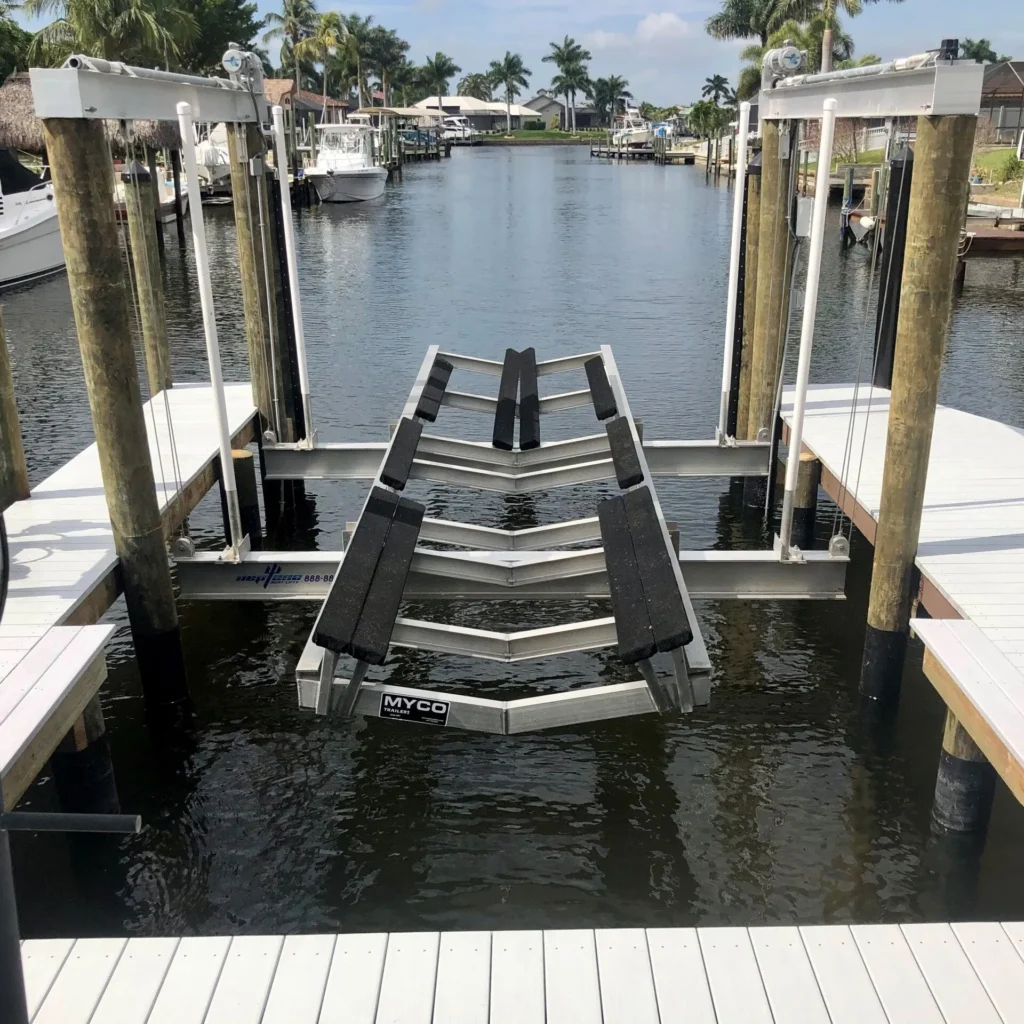
A sturdy aluminum boat lift system between docks in a residential canal with palm trees in the background.

Safety Reminder:
Always follow manufacturer load ratings and wear appropriate personal protective equipment when operating lift removal or hoisting tools.

Boat Lift Installation: What to Expect and How HONC Gets It Right

Boat lift installation is one of the smartest investments a boat owner can make. Whether you’re protecting your boat from hull damage, reducing maintenance costs, or improving ease of access, a professionally installed lift makes a measurable difference. HONC specializes in installing reliable boat lift systems that are tailored to your shoreline, water depth, and vessel type.

Why Professional Boat Lift Installation Matters

A boat lift is only as good as its installation. Improper placement or anchoring can lead to mechanical issues, uneven weight distribution, and long-term damage to both your boat and dock. Professional boat lift installation ensures correct alignment, load capacity, and compliance with local water conditions.

  • Prevents hull stress and structural damage
  • Improves lift longevity and performance
  • Enhances safety for users and equipment
  • Ensures compatibility with your dock system

The Boat Lift Installation Process

When HONC handles your boat lift installation, the process is efficient and thorough from start to finish.

  1. Site evaluation and water depth assessment
  2. Lift selection based on boat size and weight
  3. Dock and foundation preparation
  4. Precise lift placement and anchoring
  5. Final testing and safety inspection

Did you know?
Local regulations may require permits for boat lift installation depending on waterway type and shoreline ownership. Working with professionals helps avoid costly compliance issues.

Safety and Environmental Considerations

Boat lift installation should always follow best practices for safety and environmental protection. HONC installs lifts with minimal shoreline disruption and follows industry standards recommended by marine authorities.

For additional boating safety guidance, visit the U.S. Coast Guard’s recreational boating resources: https://www.uscgboating.org

FAQ

How long does installation take?

Most boat lift installation projects are completed in a single day, depending on site conditions and lift type.

Can an existing dock support a lift?

In many cases, yes. HONC evaluates dock structure to confirm it can safely support the lift.

Do lifts require maintenance?

Routine inspections and seasonal adjustments help extend the life of your lift and ensure smooth operation.

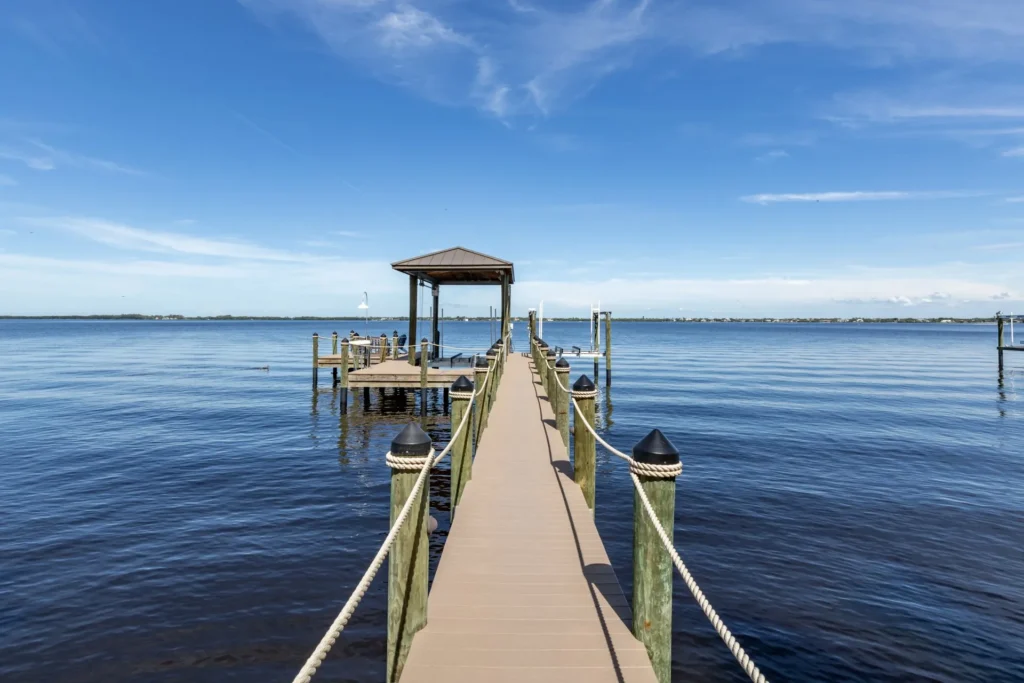
Long dock with rope railings extending over calm water to a covered seating area.
With years of hands-on experience, HONC understands the challenges of installing lifts in varying water levels, sediment types, and weather conditions. Our team ensures every installation is built to perform reliably year after year.

A professional boat lift installation isn’t just about convenience—it’s about protecting your investment.

HONC Dock & Lift Specialists

Choosing the right team for your boat lift installation makes all the difference. HONC combines technical expertise, quality materials, and proven installation methods to deliver results you can trust. Whether you’re upgrading an existing setup or installing a new lift, our team is ready to help.