Understanding Common Boat Lift Issues
As a homeowner in Southwest Florida, it’s crucial to recognize the signs that your boat lift may need attention. Common indicators include uneven lifting, unusual noises, or visible wear on cables. If you notice frayed cables or if the lift struggles to raise or lower your boat smoothly, it’s time to stop using the lift. Continuing to operate a malfunctioning lift can lead to further damage or even accidents, especially in our coastal environment where saltwater corrosion can quickly escalate problems.
At HONC Docks & Lifts, we understand the unique challenges posed by our local conditions. Storm damage is a frequent concern, and the wear from saltwater can affect motor functionality and electrical systems. Our repair process begins with a thorough inspection to identify issues like worn bunks or electrical malfunctions. We emphasize the importance of preventative maintenance, which can help catch these problems early. By enrolling in our maintenance plan, you can minimize the risk of costly repairs and ensure your lift operates safely and efficiently.
For a detailed inspection or to discuss your boat lift concerns, don’t hesitate to reach out to us.
Signs Your Boat Lift Needs Repair
As a homeowner in Southwest Florida, keeping an eye on your boat lift is crucial for both safety and functionality. If you notice your lift is lifting unevenly or making unusual noises, it’s time to take action. Frayed cables are a common issue, and they can lead to more significant problems if not addressed promptly. Additionally, if you see any signs of corrosion or wear on the lift’s components, it’s best to stop using it until a professional can assess the situation. Ignoring these signs can lead to costly repairs down the line.
Motor trouble and electrical issues can also be indicators that your boat lift requires immediate attention. If the lift is tripping breakers or not responding as it should, it’s essential to consult with a marine contractor who understands the unique challenges of our local environment. Storm damage is another factor to consider, especially after severe weather events. Regular inspections can help identify these issues early, and connecting your repair needs to a maintenance plan can significantly enhance the longevity of your lift. For a thorough inspection and to discuss preventative maintenance options, reach out to us today.
When to Stop Using Your Boat Lift
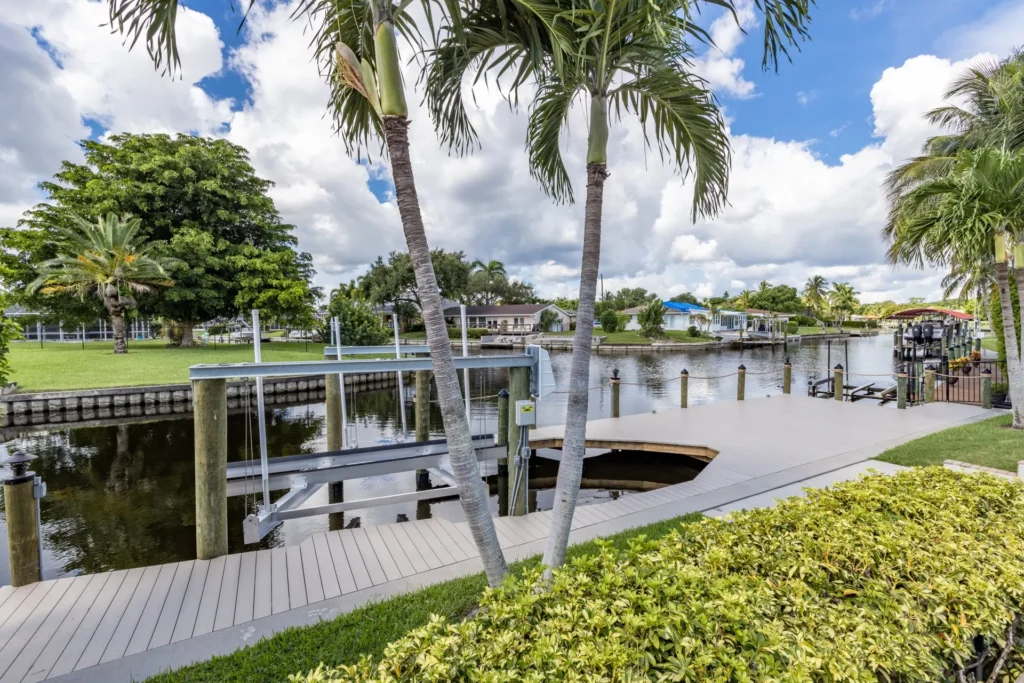
As a homeowner in Southwest Florida, it’s crucial to recognize when your boat lift may be showing signs of distress. If you notice your lift is lifting unevenly or making unusual noises, it’s time to take a step back. Other red flags include visible cable damage, tripping breakers, or any movement that feels off. Continuing to use a compromised lift can lead to further damage and safety hazards, especially in our saltwater environment where corrosion and wear are common.
In addition to these immediate concerns, be mindful of the potential impact of storm damage, which can exacerbate existing issues. If your lift has been subjected to harsh weather conditions, it’s wise to have it inspected. Regular maintenance is vital, and connecting with HONC Docks & Lifts for a thorough inspection can help catch problems early. Preventative measures, like our maintenance plan, can significantly reduce the risk of needing extensive repairs down the line. Remember, safety comes first—if you’re unsure, reach out to us for a professional assessment.
Common Problems: Cables, Motors, and More
When it comes to boat lift repair, recognizing the signs of trouble early can save you time and money. In Southwest Florida, common issues include frayed cables, which can lead to uneven lifting or even catastrophic failure if not addressed promptly. If you notice your lift struggling to raise or lower your boat evenly, or if you hear unusual noises coming from the motor, it’s time to call for a professional inspection. Ignoring these signs can lead to more extensive damage, especially with the corrosive saltwater environment we deal with here.
Another frequent concern involves electrical and control issues. If your lift is tripping breakers or the controls are unresponsive, it’s crucial to stop using the lift immediately. Continuing to operate it under these conditions can exacerbate the problem and create safety hazards. Additionally, worn bunks and corrosion from prolonged exposure to the elements can compromise the integrity of your lift. Regular inspections and maintenance can help catch these issues before they escalate, ensuring your boat lift operates safely and efficiently. For those who prioritize preventative care, consider our maintenance plan to stay ahead of potential repairs.
Our Boat Lift Repair Process
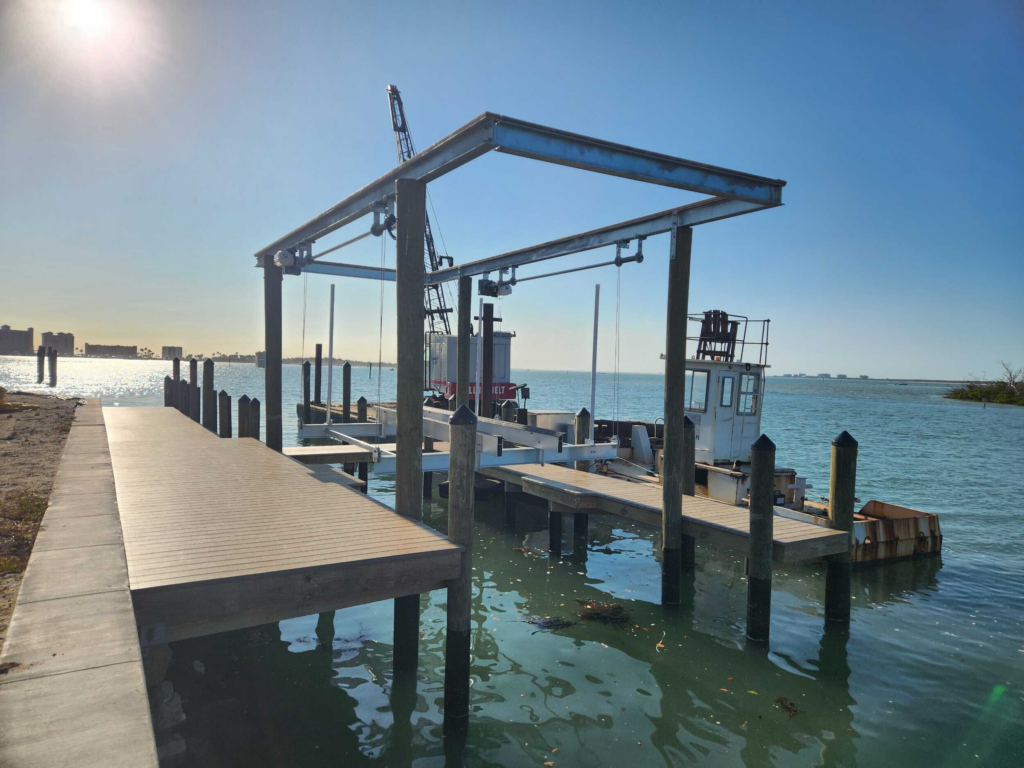
At HONC Docks & Lifts, we understand that a reliable boat lift is essential for enjoying the waters of Southwest Florida. When you notice signs that your lift may need attention—like uneven lifting, strange noises, or visible wear on cables—it’s crucial to act quickly. Continuing to use a malfunctioning lift can lead to further damage or even accidents. We recommend stopping use immediately if you observe any signs of trouble, such as frayed cables or electrical issues, to ensure safety and prevent costly repairs down the line.
Our repair process begins with a thorough inspection to diagnose the problem accurately. We look for common issues like motor trouble, corrosion, and storm damage that can affect the functionality of your lift. Once we identify the root cause, we discuss the repair options with you, ensuring you understand the necessary steps. We also emphasize the importance of preventative maintenance, which can help catch potential issues before they escalate. For ongoing peace of mind, consider our maintenance plan, which is designed to keep your lift in top condition year-round.
If you suspect your boat lift needs repair, don’t hesitate to reach out for a detailed inspection. We’re here to help you enjoy your time on the water safely.
Preventative Maintenance and ShoreWatch Connection
In the humid climate of Southwest Florida, regular boat lift inspections are crucial for maintaining your equipment’s functionality. Homeowners should be vigilant for signs that indicate a lift may need attention, such as uneven lifting, frayed cables, or unusual noises. If you notice the lift tripping breakers or showing signs of corrosion, it’s essential to stop using it immediately to prevent further damage. Our team at HONC Docks & Lifts specializes in diagnosing these issues quickly, ensuring your boat lift operates safely and efficiently.
The repair process begins with a thorough inspection to identify the root cause of the problem. Whether it’s motor trouble, electrical issues, or worn bunks, we address each concern systematically. After repairs, we recommend our preventative maintenance plan, which can help catch potential issues before they escalate. This proactive approach, combined with our ShoreWatch service, ensures your lift remains in top condition year-round, even through storm season. If you’re experiencing any issues or want to schedule a repair inspection, don’t hesitate to reach out to us for assistance.
Service Areas We Cover
At HONC Docks & Lifts, we proudly serve the vibrant communities of Southwest Florida, ensuring that your boat lift remains in top condition. Our team is familiar with the unique challenges of the region, including the effects of saltwater corrosion and the wear and tear from storms. If you notice signs that your lift may need attention—like frayed cables, uneven lifting, or unusual noises—it’s crucial to reach out for a repair inspection. Ignoring these issues can lead to more significant problems down the line, especially in our coastal environment.
We understand the importance of quick and efficient service, particularly when access to your boat is at stake. Our repair process is thorough, starting with a detailed inspection to diagnose any issues accurately. Whether it’s motor trouble, electrical glitches, or worn bunks, we have the expertise to address it all. Additionally, our preventative maintenance plans can help catch potential problems before they escalate, ensuring your lift operates smoothly for years to come. If you suspect your boat lift needs repair, don’t hesitate to contact us for a professional assessment.
Request a Boat Lift Repair Inspection
If you notice any signs that your boat lift is not functioning properly, such as uneven lifting, unusual noises, or visible wear on cables, it’s time to take action. In Southwest Florida, the salty air and storm conditions can accelerate wear and tear on your equipment. Don’t wait until a minor issue turns into a major repair. Our team at HONC Docks & Lifts is ready to provide a thorough inspection to diagnose any problems and recommend the best course of action.
Regular maintenance is crucial to ensuring the longevity of your boat lift. If you’ve been experiencing issues like motor trouble or electrical malfunctions, it’s wise to stop using the lift immediately to prevent further damage. We offer a comprehensive repair process that addresses common problems, such as frayed cables and corrosion, and connects seamlessly to our preventative maintenance plans. By scheduling a repair inspection, you not only safeguard your investment but also enhance your lift’s performance for years to come. Reach out to us today to request your inspection and keep your boat lift in top shape.
Frequently Asked Questions
When should I stop using my boat lift? If you notice your lift is lifting unevenly, making unusual noises, or showing signs of cable damage, it’s crucial to stop using it immediately. Other red flags include tripping breakers or any movement that doesn’t feel right. Continuing to operate a malfunctioning lift can lead to further damage and safety hazards, especially in the challenging conditions we often face here in Southwest Florida, such as high winds and storm surges.
Can a maintenance plan prevent boat lift repairs? Absolutely. A well-structured maintenance plan can help identify issues like wear and corrosion before they escalate into costly repairs. Regular checks can ensure proper lubrication, alignment, and the overall health of your lift system. While it won’t eliminate every risk—especially given the unique challenges of saltwater environments and storm impacts—it significantly reduces the likelihood of major problems. If you’re interested in setting up a maintenance plan, you can find more information [here](https://honcdocks.com/maintenance-plan/). For any immediate concerns, don’t hesitate to [contact us](https://honcdocks.com/contact-us/) for a repair inspection.
Stop using the lift if it is lifting unevenly, making unusual noises, showing cable damage, tripping breakers, or showing movement that does not feel normal.
Preventative maintenance can catch wear, corrosion, lubrication issues, and alignment problems before they turn into larger repairs, but it does not eliminate every repair risk.
Boat Lift Repair Near Me in Southwest Florida should be planned around the condition of the waterfront, the exposure to saltwater and storms, and the long-term performance of the materials being used. A careful review of the site helps determine whether the project needs repair, replacement, permitting support, or a more durable construction approach.
Understanding Common Boat Lift Issues can influence the materials, access requirements, scheduling, and level of structural work involved. For waterfront properties, the right scope depends on how the dock, lift, seawall, or shoreline system is currently performing and what needs to be protected over time.
Local experience matters because Southwest Florida waterfront projects face saltwater corrosion, permitting requirements, storm exposure, tidal conditions, and site-specific access constraints. A contractor familiar with these conditions can recommend details that hold up better and reduce avoidable delays.
Signs Your Boat Lift Needs Repair helps protect the investment after construction or repair work is finished. Regular inspections, timely service, and attention to fasteners, decking, pilings, lifts, and seawalls can prevent small issues from becoming expensive structural problems.
Owners should compare options based on structural durability, marine-grade materials, permitting knowledge, communication, and the contractor’s experience with similar waterfront properties. The lowest upfront option is not always the best long-term value in a harsh coastal environment.